Schools Expand Autism Inclusion Efforts, But Gaps in Training and Resources Remain
New research and guides highlight the benefits of inclusive education for autistic students, while underscoring the need for better teacher support and accommodations.
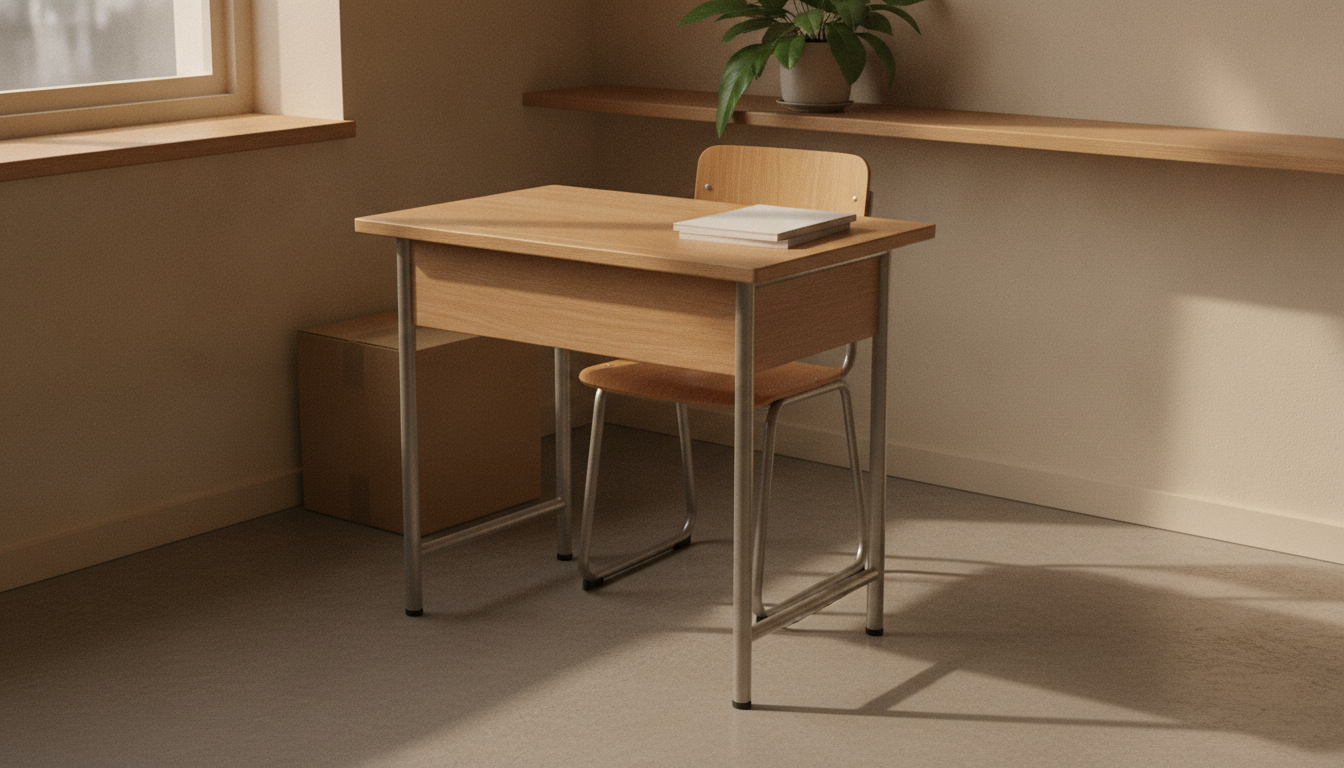
Schools across the U.S. are expanding programs to include more autistic students in general education classrooms, driven by broader diagnostic criteria and increased recognition. Districts like Scranton, Pennsylvania, are working to balance these efforts with the need for specialized resources, such as sensory-friendly classrooms and trained staff.
The Push for Inclusion
A new resource, Beyond Acceptance, released last month by the Autism Society and the American Federation of Teachers, provides educators with strategies to create more equitable inclusive environments. The guide emphasizes systemic changes, such as flexible teaching methods and peer engagement programs.
However, a 2020 study in ScienceDirect found these accommodations are often inconsistently available.
Research on inclusion's impact is mixed. A 2026 study in Frontiers in Psychology found that teachers' confidence in supporting autistic students—'self-efficacy'—varies widely, with many educators feeling unprepared. The study notes that 'academic and social outcomes for students with autism in inclusive settings remain mixed and require further investigation.'
The Challenges of Implementation
Inclusive settings require tailored supports, such as quiet spaces for sensory regulation and individualized learning plans. Some schools, like Grandview in Missouri, have implemented dedicated sensory-inclusive wings with specialized lighting and quiet areas. However, a 2020 study in ScienceDirect found these accommodations are often inconsistently available.
Safety concerns also arise when supports are inadequate. A CBC report detailed an incident where an autistic student went missing from school due to lack of proper inclusion safeguards.
The Path Forward
Experts suggest that successful inclusion requires investment in teacher training, sensory accommodations, and peer education. The Beyond Acceptance guide includes practical tools like checklists for IEP meetings and classroom modification templates. 'Inclusion requires planning and resources to be safe and effective,' notes one educator in the guide.
Sources
- 01Teachers' self-efficacy and its relationship to inclusive education for students with autism: a cross-sectional study
- 02American Federation of Teachers and the Autism Society of America Release New Resource
- 03KEYSTONE EDITION: As autism rates soar, schools, communities respond with new programs
- 04Strategies in supporting inclusive education for autistic students—A ...
- 05What are we targeting when we support inclusive education for ...
Common questions
Behind the brief
Adversarial editorial review
Open thread