 Policy & Funding
Autism services are undergoing significant policy changes across the U.S., with Minnesota implementing new licensing requirements for providers while North Carolina restricts out-of-state and telehealth options. Federal funding continues through the Autism CARES Act, but new Medicaid rules may create hurdles for autistic individuals and their families accessing services.
Minnesota reformer · Behavioral health business · Newsweek · 18 hours ago✦ 70/100
 Brain & Neuroscience
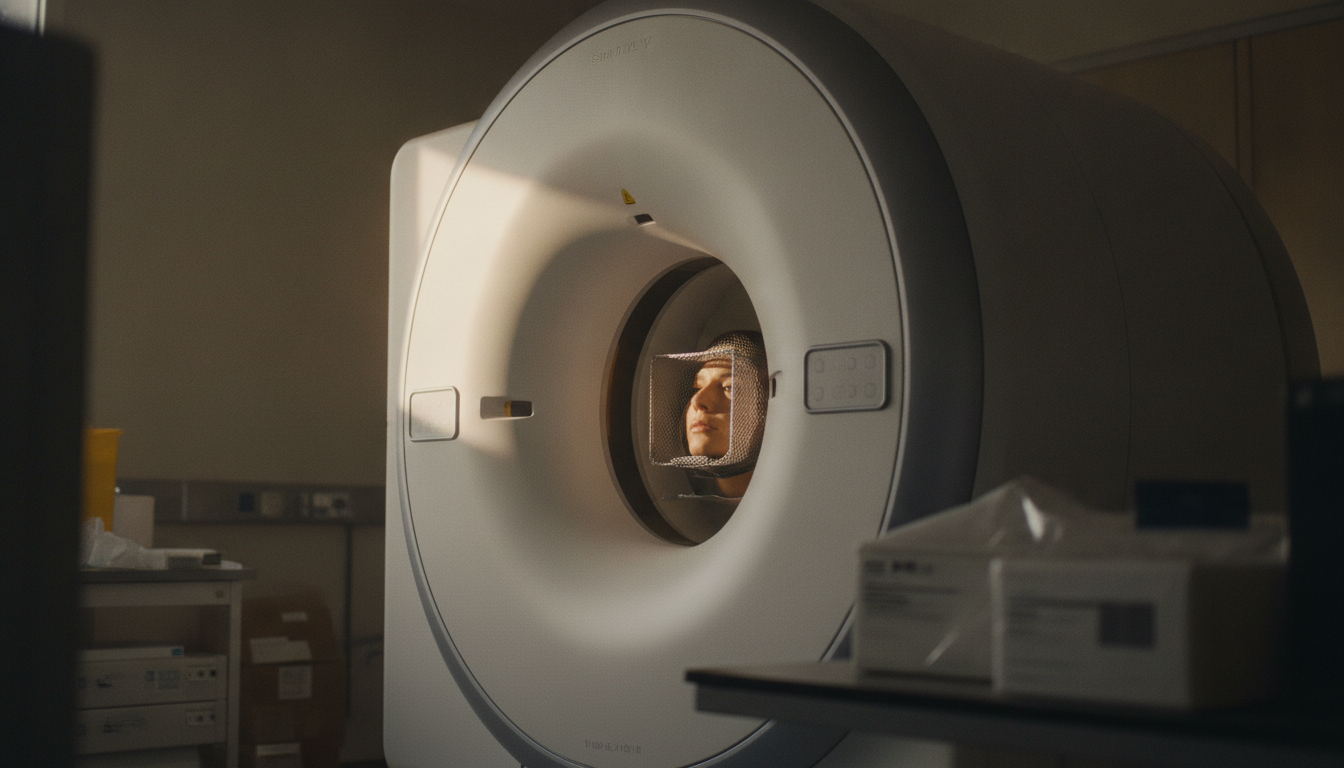
A 2026 study in Nature Neuroscience using functional MRI (fMRI) identified two neural connectivity patterns among autistic participants: one involving reduced synaptic communication and another with heightened immune-linked signaling. The findings, which require replication in more diverse samples, could eventually contribute to personalized support frameworks—though experts stress this remains exploratory and does not reflect current clinical practice.
Nature · Psypost · childmind.org · 22 hours ago✦ 65/100
 Diagnosis & Screening
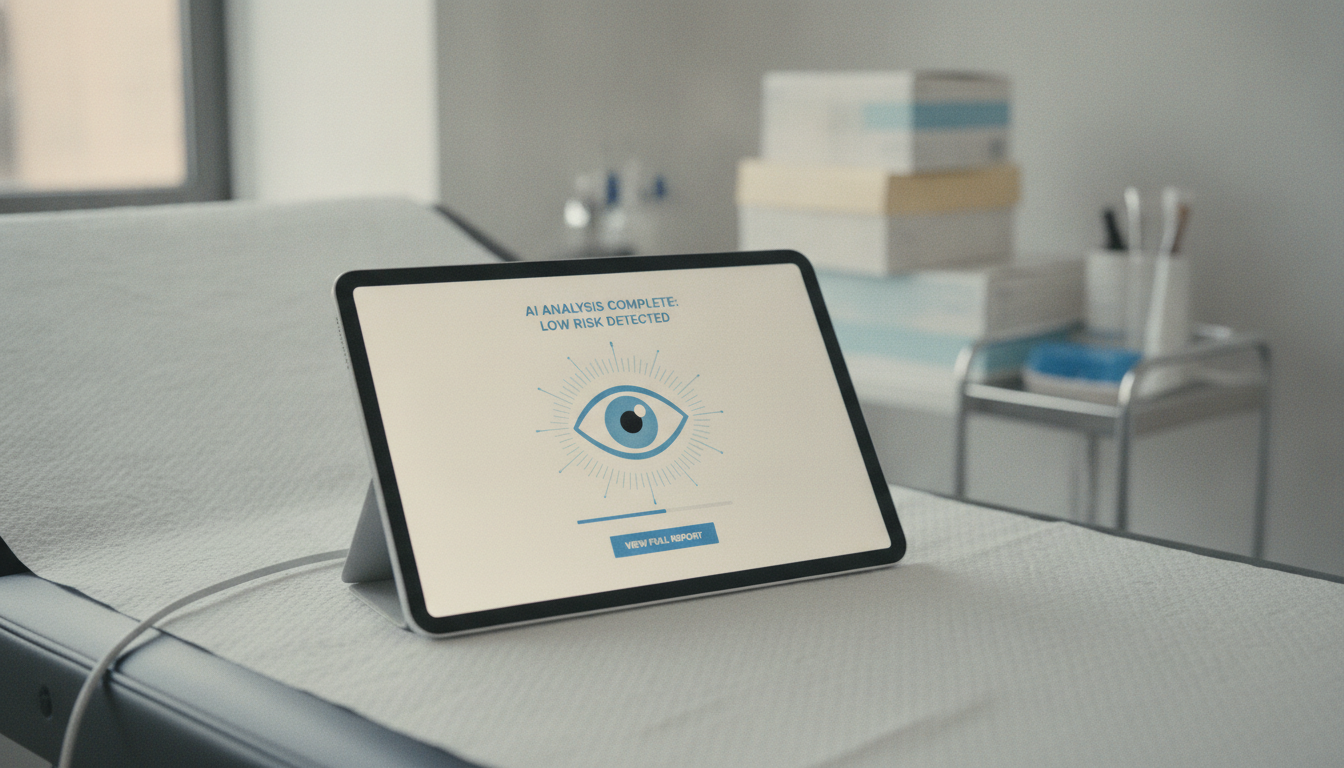
Artificial intelligence tools are being studied as potential supports for autism identification processes, particularly in contexts with limited specialist access. While some systems demonstrate moderate accuracy in research settings, significant questions remain about real-world reliability, bias mitigation, and the need for human oversight in clinical decision-making.
Nature · Frontiers · Cureus · 23 hours ago✦ 68/100
 Diagnosis & Screening
Multiple studies indicate that variations in eye contact patterns in infants as young as 2-6 months may correlate with later autism identification. A [2024 study in Nature](https://www.nature.com/articles/s41598-024-55643-z) (n=112 infants) found that 2-minute eye-tracking protocols showed promise for early identification, while [UCSD research](https://neurosciences.ucsd.edu/centers-programs/autism/early/eye-tracking-research.html) explores how early support might begin when developmental differences are noted.
Nature · The transmitter · sparkforautism.org · 1 day ago✦ 66/100
 Education & Support
New research highlights systemic barriers to augmentative and alternative communication (AAC) access for autistic individuals with complex communication needs, while advancing multimodal strategies like interactive movement exchanges and ethically designed AI tools. Findings emphasize the need to integrate autistic lived experience into evidence-based frameworks and policy reforms.
chla.org · Frontiers · ScienceDirect · 1 day ago✦ 77/100
 Diagnosis & Screening
Recent studies highlight health inequities faced by older autistic adults, particularly those without formal diagnoses. UK research suggests 89-97% of autistic adults over 40 may be undiagnosed, potentially affecting their access to appropriate healthcare and support. While biological aging patterns may differ in autistic individuals, researchers emphasize the need to consider systemic barriers and individual variability when interpreting these findings.
Nature · Being patient · King's college london · 1 day ago✦ 73/100
 Diagnosis & Screening
Recent analyses suggest autism identification data in low-resource settings may not fully represent actual support requirements due to systemic barriers, service disparities, and inconsistent data collection. Studies from Ethiopia to Brazil reveal needs for healthcare provider education and inclusive learning environments, while methodological differences complicate global comparisons.
Newswise · Cureus · Nature · 1 day ago✦ 68/100
 Lived Experience
A 2025 commentary by Gouws and colleagues proposes expanding autistic self-advocacy into broader community networks to sustain efforts and improve quality of life. The piece emphasizes centering autistic perspectives, addressing burnout, and using inclusive language, while recognizing unresolved tensions in the neurodiversity movement.
PubMed · Frontiers · dsq-sds.org · 1 day ago✦ 66/100
 General
Studies indicate that autistic individuals face higher suicide rates than non-autistic peers, primarily due to co-occurring conditions like depression and systemic support gaps. Emerging research explores tailored interventions and highlights disparities in mental healthcare access, particularly for marginalized groups.
Frontiers · Psypost · PubMed · 2 days ago✦ 65/100
 Diagnosis & Screening
Recent studies indicate that 50-70% of autistic individuals may also meet criteria for ADHD, with shared genetic factors and overlapping traits influencing diagnostic practices. However, adults and non-stereotypical presentations remain under-researched.
PubMed · psychiatry.org · vanderbilt.edu · 2 days ago✦ 65/100
 Brain & Neuroscience
Recent research illuminates how sensory processing differences — reported by many autistic individuals — interact with social functioning, emotional well-being, and cross-cultural communication. Key 2025-2026 studies explore executive function as a potential mediator, identify neural connectivity patterns, and examine how cultural context shapes interpretations of autistic communication styles.
Frontiers · Nature · Psypost · 2 days ago✦ 71/100
 Brain & Neuroscience
Emerging studies suggest a connection between gut microbiome composition and autism, though the nature of this link is still debated. While some researchers point to potential dietary influences, others caution against overstating the findings.
Nature · Science · Medscape · 2 days ago✦ 68/100
 Therapies & Treatment
Recent studies and funding initiatives are focusing on autistic individuals with limited spoken communication, testing novel approaches to improve understanding and inclusion. While promising, efforts to define 'profound autism' spark important discussions about resource allocation and neurodiversity-affirming practices.
Nature · Frontiers · d3c.isr.umich.edu · 2 days ago✦ 70/100
 Policy & Funding
Evidence-backed neurodiversity hiring initiatives show promise in matching autistic adults with roles that leverage their strengths, particularly in technical fields, while improving workplace inclusion. However, barriers to widespread adoption and gaps in long-term data persist.
University of florida · PubMed · cureus.com · 3 days ago✦ 72/100
 Diagnosis & Screening
Researchers are investigating potential biological markers associated with autism, including gut microbiome patterns and eye-tracking behaviors, that might one day help identify developmental differences earlier. While these approaches show promise in controlled studies, experts emphasize they currently serve as research tools rather than clinical diagnostics.
Nature · JAMA · Wiley online library · 3 days ago✦ 71/100
 Education & Support
Schools worldwide are expanding support programs amid increasing recognition of autism, but systemic gaps persist in translating physical integration into true inclusion. Emerging research points to promising strategies — from addressing school avoidance to valuing autistic educators — while underscoring the need for adequate resources and trained staff.
Frontiers · Karolinska institutet · researchgate.net · 3 days ago✦ 66/100
 Diagnosis & Screening
Recent studies indicate that autism diagnosis rates between genders approach parity by early adulthood, challenging the traditional 4:1 male-to-female childhood ratio. This points to systemic barriers in recognizing autism in girls, including assessment tool limitations and societal expectations, with documented impacts on mental health and access to accommodations.
The guardian · PubMed · Frontiers · 3 days ago✦ 77/100
 Therapies & Treatment
Recent regulatory and clinical trial activity highlights efforts to develop medications addressing specific challenges some autistic individuals face, though none modify core autistic traits. The FDA is reviewing leucovorin (folinic acid) for language support in autistic people with cerebral folate deficiency — a rare metabolic condition affecting folate transport to the brain. Other trials investigate vasopressin nasal spray and suramin, but current FDA-approved medications like risperidone only address co-occurring irritability. A 2026 systematic review found most preclinical drug candidates fail in human trials, underscoring the complexity of translating findings from animal models to autistic people.
FDA · clinicaltrials.gov · med.stanford.edu · 3 days ago✦ 66/100
 Therapies & Treatment
Melatonin is increasingly used to support autistic children with sleep difficulties, with studies indicating modest short-term benefits. Experts highlight the need for standardized formulations, age-specific safety data, and prioritization of non-pharmacological approaches. Emerging digital health platforms aim to address evidence gaps in long-term outcomes.
Nature · Science media centre españa · ScienceDaily · 3 days ago✦ 68/100
 Brain & Neuroscience
Recent high-quality studies strengthen evidence that maternal immune activation during pregnancy — from infections, inflammation, or air pollution — correlates with increased autism likelihood in offspring, while clarifying biological mechanisms and environmental interactions.
Nature · Simons foundation autism research initiative | sfari · PubMed · 3 days ago✦ 70/100