Therapies & TreatmentResearch
Melatonin Use for Autistic Children's Sleep: Balancing Benefits and Evidence Gaps
While melatonin shows promise for sleep challenges in autistic children, researchers call for clearer guidance on formulations, dosing, and long-term monitoring as clinical use expands.
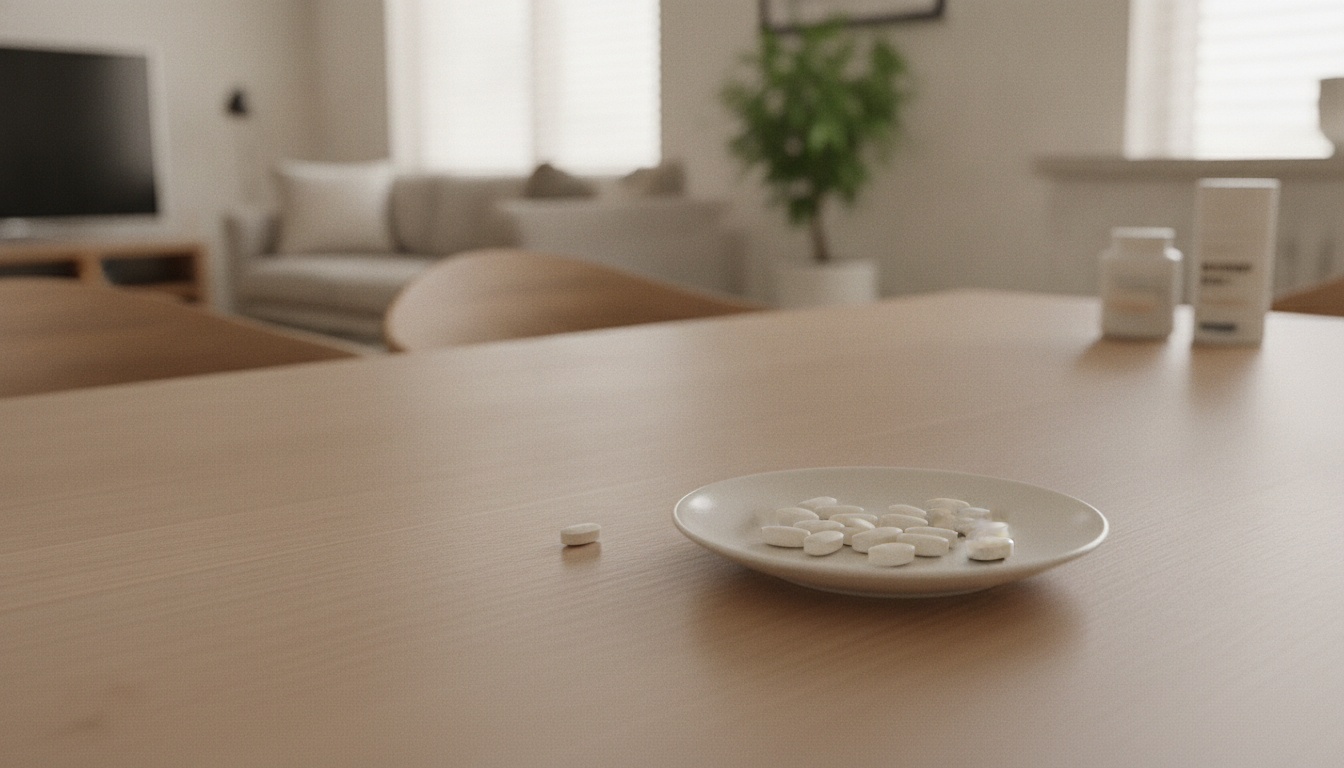
Many autistic children experience co-occurring sleep differences, with research estimating 50-66% face persistent sleep challenges such as delayed sleep onset or fragmented sleep. These patterns may stem from diverse factors including sensory processing differences, anxiety, or circadian rhythm variations rather than autism itself.
Melatonin supplementation has gained attention as a sleep aid, with randomized trials showing it can modestly reduce time to fall asleep by 20-40 minutes in some autistic children. A 2025 Lancet review00211-1/abstract) noted observed differences in melatonin pathways among some autistic individuals, though the clinical significance remains unclear.
A 2026 Science Media Centre España analysis summarized concerns about expanding off-label use in young children.
Safety and Regulation Considerations
Clinical use has grown rapidly, including for preschoolers, despite limited long-term data. A 2026 Science Media Centre España analysis summarized concerns about expanding off-label use in young children. In the U.S., over-the-counter melatonin supplements show significant batch-to-batch variability, while pharmaceutical-grade versions available elsewhere still require rigorous quality monitoring.
Neurodiversity-affirming sleep supports should be foundational, including:
- Individualized bedtime routines accommodating sensory preferences
- Environmental adaptations like weighted blankets or noise control
- Gradual circadian adjustments through light exposure management
The Simons Sleep Project is developing tools for large-scale sleep monitoring, though such platforms cannot replace controlled safety studies. Autistic self-advocates emphasize that sleep solutions must be personalized—what works for one child may not for another.
Clinical recommendations include:
- Medical consultation before starting melatonin
- Starting with the lowest possible dose (0.5-1mg) 30-60 minutes before bed
- Combining with behavioral supports like consistent sleep hygiene practices
- Periodic reevaluation of continued need
Sources
- 01An open science resource for accelerating scalable digital health research in autism and other neurodevelopmental conditions
- 02Melatonin use in young children is growing despite a lack of knowledge about its efficacy and long-term effects
- 03Millions of kids take melatonin but doctors are raising red flags
- 04The sleep–circadian connection: pathways to understanding and supporting autistic children and adolescents and those with attention-deficit hyperactivity disorder
- 05Efficacy of Melatonin for Insomnia in Children with Autism Spectrum ...
- 06Insomnia in children affected by autism spectrum disorder: The role ...
- 07Autism Spectrum Disorder and Complementary Health Approaches
Common questions
Behind the brief
Adversarial editorial review
Open thread