Diagnosis & ScreeningExplainer
The Overlapping Worlds of Autism and ADHD: What Science Tells Us About AuDHD
New research reveals deep connections between autism and ADHD, challenging old diagnostic boundaries and highlighting the need for better support for those with both conditions.
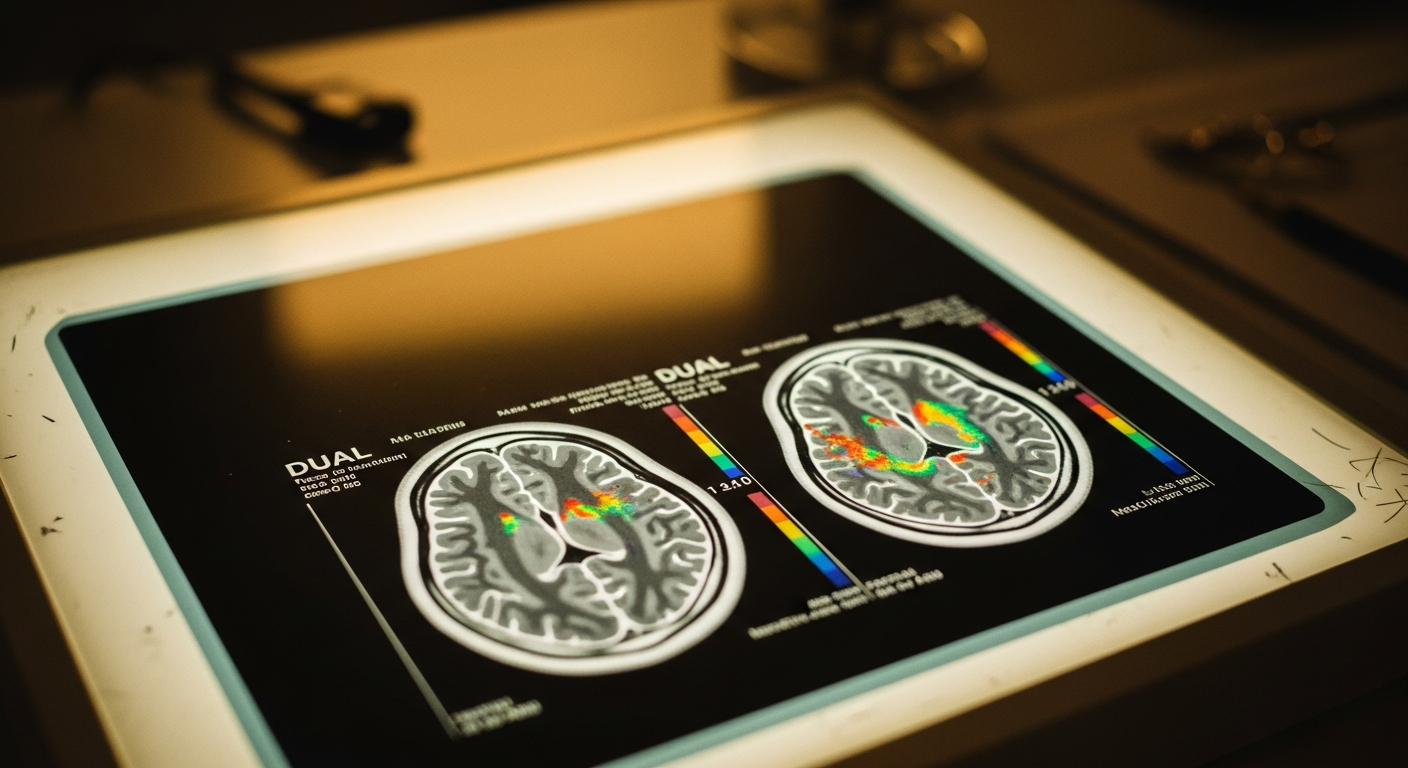
The Surprising Overlap Between Autism and ADHD
For decades, autism and ADHD were treated as distinct conditions, with diagnostic manuals historically prohibiting a dual diagnosis. But a growing body of research reveals these neurodevelopmental conditions frequently co-occur, with recent studies estimating that 40-70% of autistic individuals also have ADHD. This overlap, sometimes called AuDHD, is reshaping how scientists and clinicians understand neurodivergence.
Shared Roots and Unique Challenges
Genetic studies suggest autism and ADHD share common biological pathways. As research from Vanderbilt University notes, these conditions may represent different expressions of similar underlying neurodevelopmental processes. At the brain level, both conditions involve differences in executive functioning (the mental skills that help us get things done) and sensory processing (how we interpret and respond to sensory information), though the specific patterns vary.
This overlap, sometimes called AuDHD, is reshaping how scientists and clinicians understand neurodivergence.
The clinical reality of AuDHD often defies neat categorization. A study in ScienceDirect found that autistic traits and ADHD symptoms interact in complex ways, creating unique challenges in daily life. For example, someone might experience both hyperfocus (common in autism) and distractibility (common in ADHD), leading to inconsistent work or school performance.
The Diagnosis Gap
Despite the high co-occurrence rates, many individuals—especially adults and women—go undiagnosed or misdiagnosed. As research from Washington University highlights, clinicians trained to look for one condition may overlook the other. This diagnostic oversight can have real consequences, as treatment and support strategies often need to address both sets of traits.
The problem is particularly acute for women and girls. A 2024 study in Disability & Society found that AuDHD women frequently develop sophisticated masking strategies (hiding their neurodivergent traits to fit in), making their needs less visible to clinicians and educators. Many are misdiagnosed with anxiety or depression before receiving accurate neurodevelopmental assessments.
Toward Better Understanding and Support
The scientific consensus is clear: autism and ADHD co-occur far more often than previously recognized, necessitating changes in how we diagnose and support neurodivergent individuals. While diagnostic manuals have begun to acknowledge this overlap, clinical practice often lags behind. Researchers emphasize the need for comprehensive evaluations that consider the full spectrum of neurodevelopmental traits, rather than forcing people into single diagnostic boxes.
Sources
Common questions
Behind the brief
Adversarial editorial review
Open thread