Policy & FundingNews
Scientists Defend Evidence as Political Pressure Revives Debunked Autism-Vaccine Claims
Researchers form independent coalition after CDC alters guidance to include disproven links, risking public health trust and autistic dignity.
Scientific Consensus Under Scrutiny
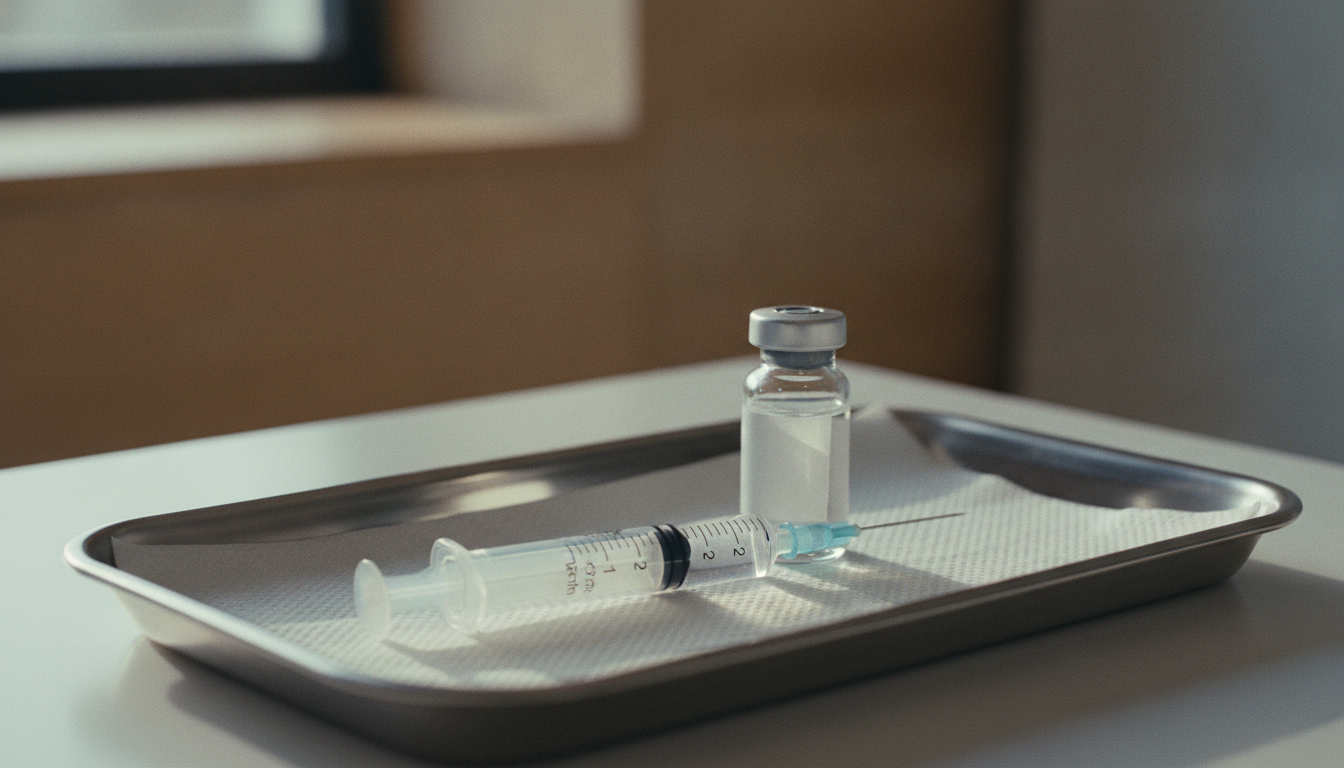
In November 2025, the CDC updated its autism webpage to include language suggesting a possible link between vaccines and autism—a claim thoroughly discredited by decades of research. As NPR reported, the changes included adding a section titled 'Parent Concerns About Vaccines' without clarifying the overwhelming evidence against such links. This shift aligns with political pressure from figures like Robert F. Kennedy Jr., who has promoted vaccine-autism misinformation despite extensive debunking. Researchers warn this could erode vaccine confidence and perpetuate harmful stereotypes that autism is a 'damage' rather than a natural neurological variation.
Researchers Organize Evidence-Based Response
By March 2026, over 50 leading autism scientists formed the Independent Autism Coordinating Committee to counter misinformation, as The American Journal of Managed Care noted. The group, which includes autistic self-advocates, emphasizes that:
- Prenatal acetaminophen: A 2025 Johns Hopkins review found no robust evidence tying Tylenol use during pregnancy to autism, despite political claims.
- Vaccines and autism: No credible study has replicated the fraudulent 1998 Wakefield paper, retracted after a Science investigation exposed its falsified data. Meta-analyses of millions of children confirm no causal link.
- Prenatal acetaminophen: A 2025 Johns Hopkins review found no robust evidence tying Tylenol use during pregnancy to autism, despite political claims.
Real-World Impacts
The CDC’s updated language, criticized as 'misleading' by KFF Health News, risks confusing families and delaying vaccinations. Autistic self-advocates stress that such misinformation fuels stigma. 'When autism is framed as preventable harm, it implies we’re broken,' said Sarah Kurchak, an autistic writer cited in The Conversation.
How Families Can Respond
Experts recommend: 1. Verify sources: Rely on peer-reviewed studies via NIH databases over political rhetoric. 2. Connect with autistic voices: Organizations like the Autism Self-Advocacy Network provide firsthand perspectives. 3. Discuss concerns with clinicians: Pediatricians can clarify vaccine safety using CDC tools predating the 2025 changes.
Sources
- 01Autism Research Leaders Launch Independent Committee to Counter RFK’s Panel
- 02Understanding the Evidence on Pregnancy, Tylenol, and Autism
- 03The CDC revives debunked ‘link’ between childhood vaccines and autism : Shots - Health News
- 04What To Know About the CDC’s Baseless New Guidance on Autism
- 05The myth of vaccination and autism spectrum - PMC - NIH
- 06British Medical Journal Charges Fraud in Autism-Vaccine ...
Common questions
Behind the brief
Adversarial editorial review
Open thread