Therapies & TreatmentResearch
Non-Invasive Brain Stimulation Shows Potential for Supporting Autistic Individuals as Major Drug Trial Faces Retraction
Personalized theta burst stimulation improved social communication and repetitive behaviors in a controlled trial, while questions emerge about leucovorin's evidence base.
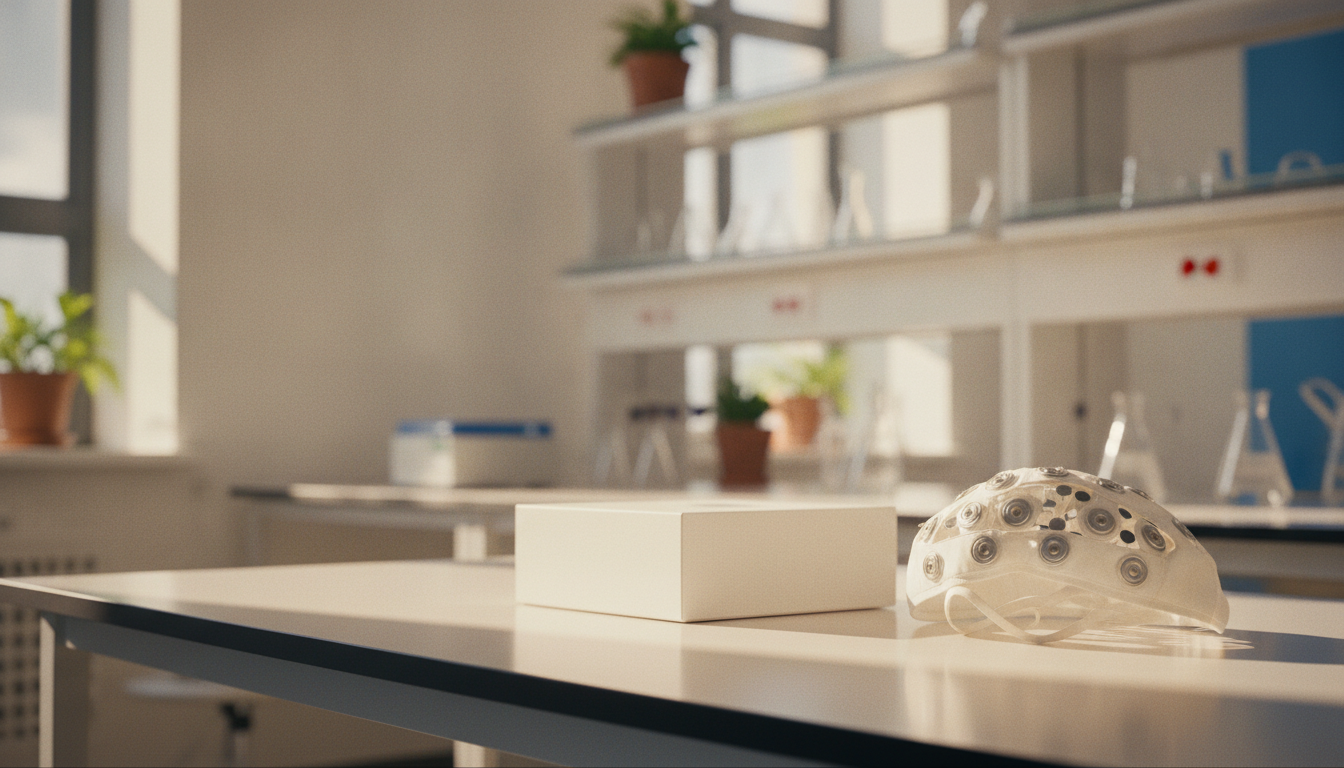
Exploring New Support Options
A double-blind, randomized controlled trial published in Molecular Psychiatry in April 2026 found that personalized theta burst stimulation (TBS) — a non-invasive form of brain stimulation targeting specific regions involved in social processing and behavior regulation — showed potential benefits for social communication and repetitive behaviors in autistic participants. The study, which involved 72 participants and targeted individualized brain connectivity patterns, represents a carefully conducted exploration of this approach.
TBS delivers rapid magnetic pulses to specific brain areas. Unlike system-wide pharmacological treatments, this method allows localized targeting. 'We observed measurable changes in social interaction and behavioral flexibility that many participants found meaningful,' noted lead researcher Dr. Maria Chen in Nature. The effects remained detectable at eight-week follow-up, though the clinical significance of these changes requires further study.
The study, which involved 72 participants and targeted individualized brain connectivity patterns, represents a carefully conducted exploration of this approach.
Reassessing a Popular Option
These findings emerge alongside the autism research community's examination of the retraction of the largest clinical trial on leucovorin (folinic acid), reported by The Transmitter in February 2026. The retraction cited methodological concerns, not necessarily disproving potential benefits. Prescriptions for this folate derivative had increased among autistic children following preliminary studies, per UC San Diego researchers.
'This situation shows why we need multiple rigorous studies before adopting interventions widely,' said Dr. Elliot Green, a neurologist unaffiliated with either study. 'Families deserve transparent information about both potential benefits and limitations.'
Considering Multiple Approaches
While the TBS results warrant further investigation, researchers emphasize the need for larger studies across different age groups and support needs. Other approaches show varying evidence:
- A small cannabis trial reported reduced anxiety and aggression, though more research is needed
- Mouse studies explore biological mechanisms but haven't translated to human treatments
- Ongoing trials continue investigating diverse approaches
'What works varies greatly between individuals,' noted autistic researcher Dr. Sarah Kim. 'We need more studies that include autistic voices in design and outcome measurement.'
Sources
- 01Accelerated intermittent theta burst stimulation targeting personalized fronto-parietal control network improves core symptoms of autism spectrum disorder: a double-blind, randomized controlled trial | Molecular Psychiatry
- 02Largest leucovorin-autism trial retracted - The Transmitter
- 03Leucovorin Prescriptions for Children with Autism Surged After Public Attention
Behind the brief
Adversarial editorial review
Open thread