Brain & NeuroscienceResearch
New Studies Reassess Gut Microbiome's Role in Autism, Highlighting Diet and Environment
Family-based research finds overlapping gut bacteria profiles in autistic and neurotypical siblings, suggesting shared dietary habits and household factors may contribute more to microbiome differences than autism itself.
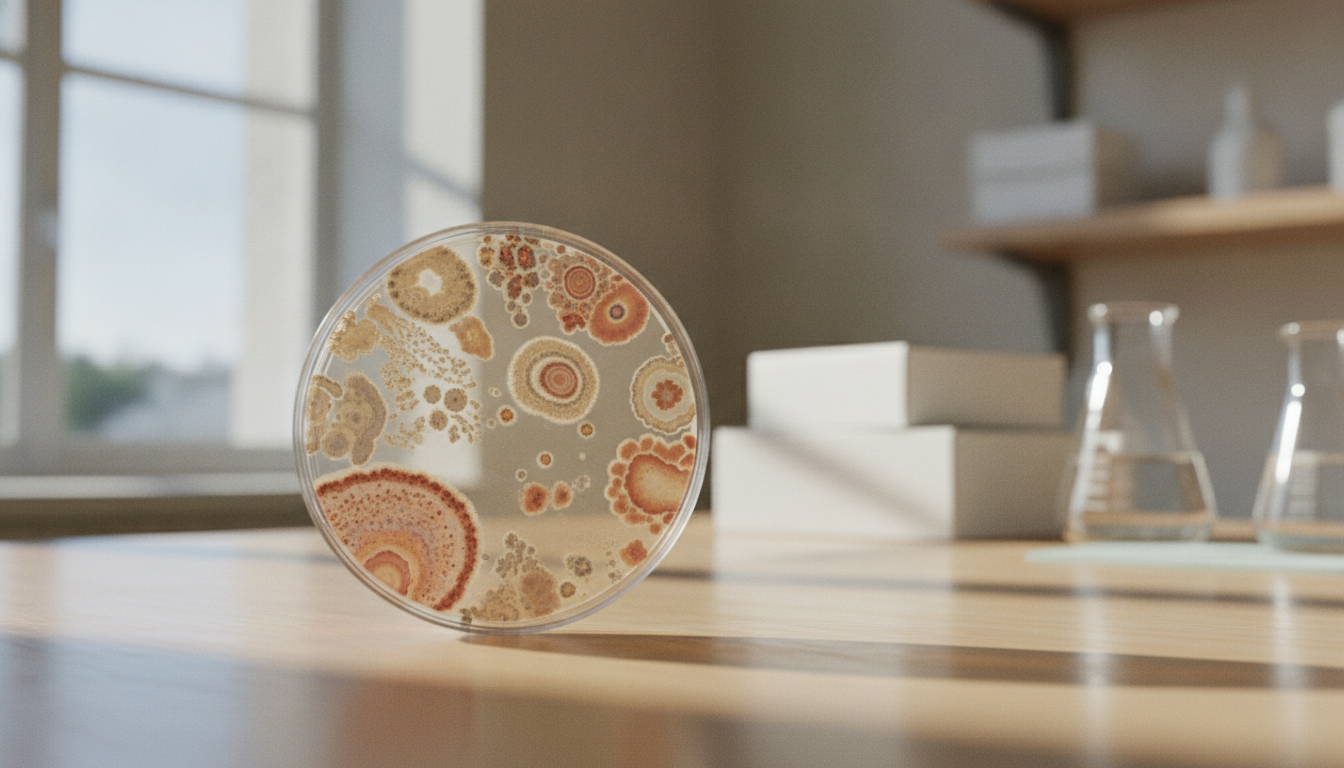
Scientific interest in gut microbiome differences in autism has grown over the past decade, but newer studies are bringing nuance to this complex relationship. Recent research points to dietary habits and family environments as significant factors influencing gut bacteria composition, alongside biological factors in autism.
Shared Microbiomes in Families
A 2023 study published in Nature Microbiology analyzed gut bacteria in autistic children and their neurotypical siblings, finding substantial overlap in microbial communities. This suggests shared household environments—including diet, hygiene practices, and other daily factors—contribute significantly to microbiome composition. Similar findings appeared in a 2022 Translational Psychiatry study showing minimal microbiome differences between autistic individuals and their siblings when accounting for shared environments.
A 2023 Cell Reports Medicine study00113-4) found dietary differences explained over 60% of microbiome variations between autistic and non-autistic groups.
The Diet Connection
Research increasingly identifies selective eating patterns—common among autistic individuals—as a key influence on gut microbiome composition. A 2023 Cell Reports Medicine study00113-4) found dietary differences explained over 60% of microbiome variations between autistic and non-autistic groups. As Spectrum News reported in 2022, controlling for nutritional intake reduced many observed microbiome differences.
Methodological Considerations
Experts have called for rigorous standards in microbiome research. A 2021 Science critique highlighted common limitations like small sample sizes and inadequate dietary controls. A 2022 Scientific Reports study found significant geographic variation in microbiome findings, emphasizing environmental influences beyond autism itself.
Supporting Gastrointestinal Health
While the gut microbiome may not cause autism, gastrointestinal symptoms remain prevalent among autistic individuals. Ongoing research explores how microbiome differences might relate to comfort and daily functioning, as noted in a 2023 Frontiers in Psychiatry review. Practical support for digestive health—including individualized dietary approaches—remains important for wellbeing.
Sources
- 01Gut microbiota analysis in children with autism spectrum disorder and their family members
- 02Is the Gut-Autism Hypothesis a ‘Dead End'?
- 03Distinct diet-microbiome associations in autism spectrum disorder
- 04Do gut microbes cause autism? New research says diet plays the bigger role
- 05Identifying gut microbiota composition disparities in autistic individuals and their unaffected siblings: correlations with clinical characteristics | Translational Psychiatry
- 06Research linking gut microbes to autism is deeply flawed, critics say
- 07A robust microbiome signature for autism spectrum disorder across ...
Common questions
Behind the brief
Adversarial editorial review
Open thread