Brain & NeuroscienceResearch
New Studies Reassess Gut Microbiome's Link to Autism, Emphasizing Family and Dietary Contexts
Emerging research suggests gut microbiome differences in autism may reflect shared family environments and dietary patterns rather than direct causation.
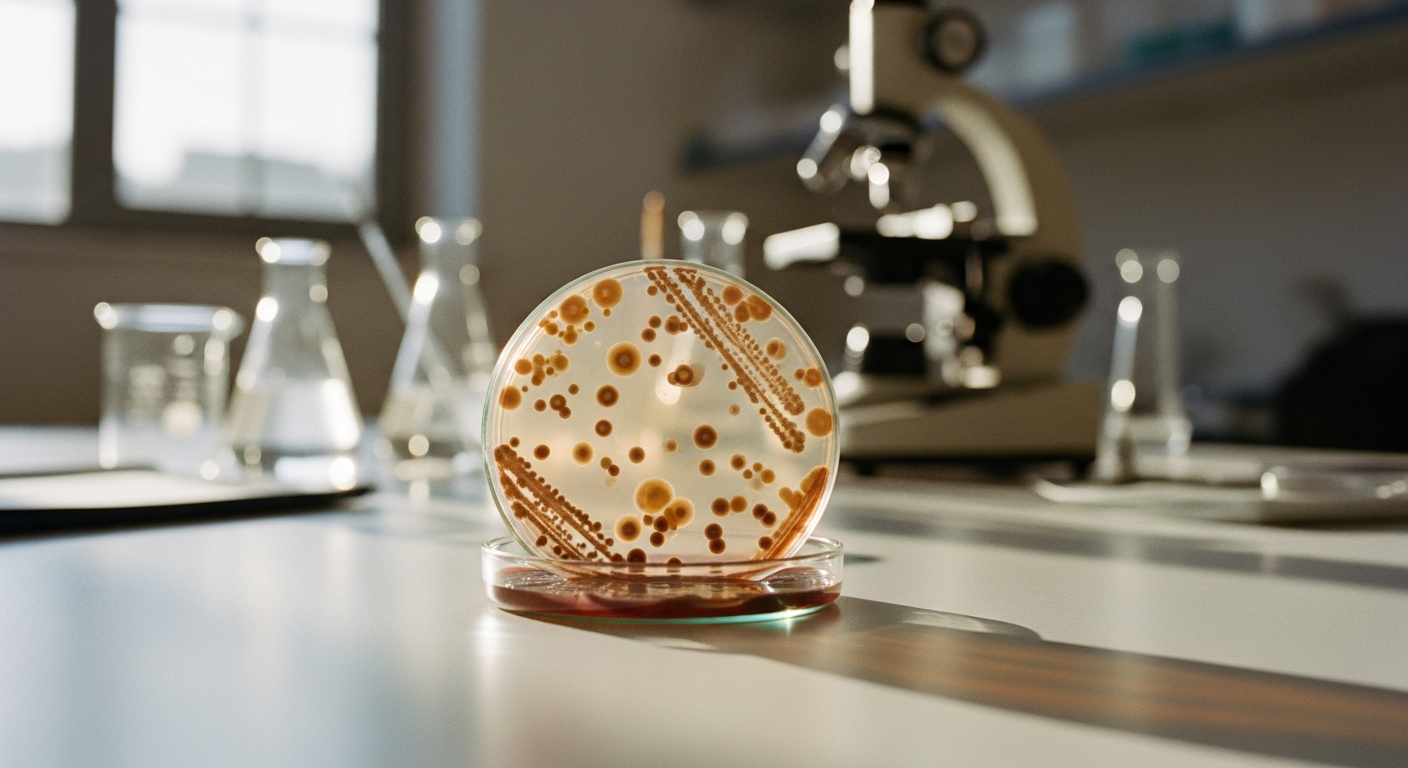
Family and Dietary Contexts May Shape Gut Microbiome Differences in Autism
For years, researchers have investigated whether the gut microbiome—the community of microbes in the digestive tract—plays a causal role in autism. However, newer studies suggest that dietary patterns and shared family environments may better account for observed microbial differences.
A 2025 study in Nature found that autistic children share gut microbiome similarities with their neurotypical family members, implying household factors like diet or environment may influence the microbiome more than autism itself. The authors noted, 'These findings encourage broader exploration of environmental contributors.'
A 2025 Science article highlighted these limitations, though it also acknowledged that larger studies detect subtle microbiome differences.
Diet-Microbiome Interactions Are Complex and Multifactorial
Another 2025 Nature study documented unique diet-microbiome interactions in autistic individuals but emphasized that correlations do not imply causation. 'Mechanisms remain unclear,' the researchers cautioned.
Critics note that earlier studies often lacked rigorous controls for dietary differences or had small sample sizes. A 2025 Science article highlighted these limitations, though it also acknowledged that larger studies detect subtle microbiome differences. Similarly, a Medscape commentary questioned whether the field had overinterpreted preliminary findings.
Gastrointestinal Symptoms and Their Clinical Relevance
Autistic individuals frequently experience gastrointestinal (GI) issues like constipation or diarrhea, which can exacerbate sensory and behavioral challenges. A 2025 Neuroscience News report linked GI problems to sleep and sensory difficulties in 475 children, though the causal direction remains unclear. Importantly, restrictive eating patterns—common in autism due to sensory sensitivities—may independently shape microbiome composition, as noted in a 2022 review.
Future Directions
While the gut microbiome is unlikely to be a primary driver of autism, understanding its role in GI symptoms could improve quality of life. Future research should prioritize longitudinal designs and account for developmental factors like early-life antibiotic exposure, as suggested by PsyPost.
Sources
- 01Gut microbiota analysis in children with autism spectrum disorder and their family members
- 02Distinct diet-microbiome associations in autism spectrum disorder
- 03Research linking gut microbes to autism is deeply flawed ...
- 04Is the Gut-Autism Hypothesis a ‘Dead End'?
- 05Gut Problems in Autism Linked to Sleep, Behavior, and Sensory Challenges
Common questions
Behind the brief
Adversarial editorial review
Open thread