Brain & NeuroscienceResearch
New Studies Explore Gut Microbiome Differences in Autism, With Key Limitations
Sibling-matched research identifies subtle microbial variations tied to social communication, but experts emphasize these may reflect diet, genetics, or other factors rather than causing autism traits.
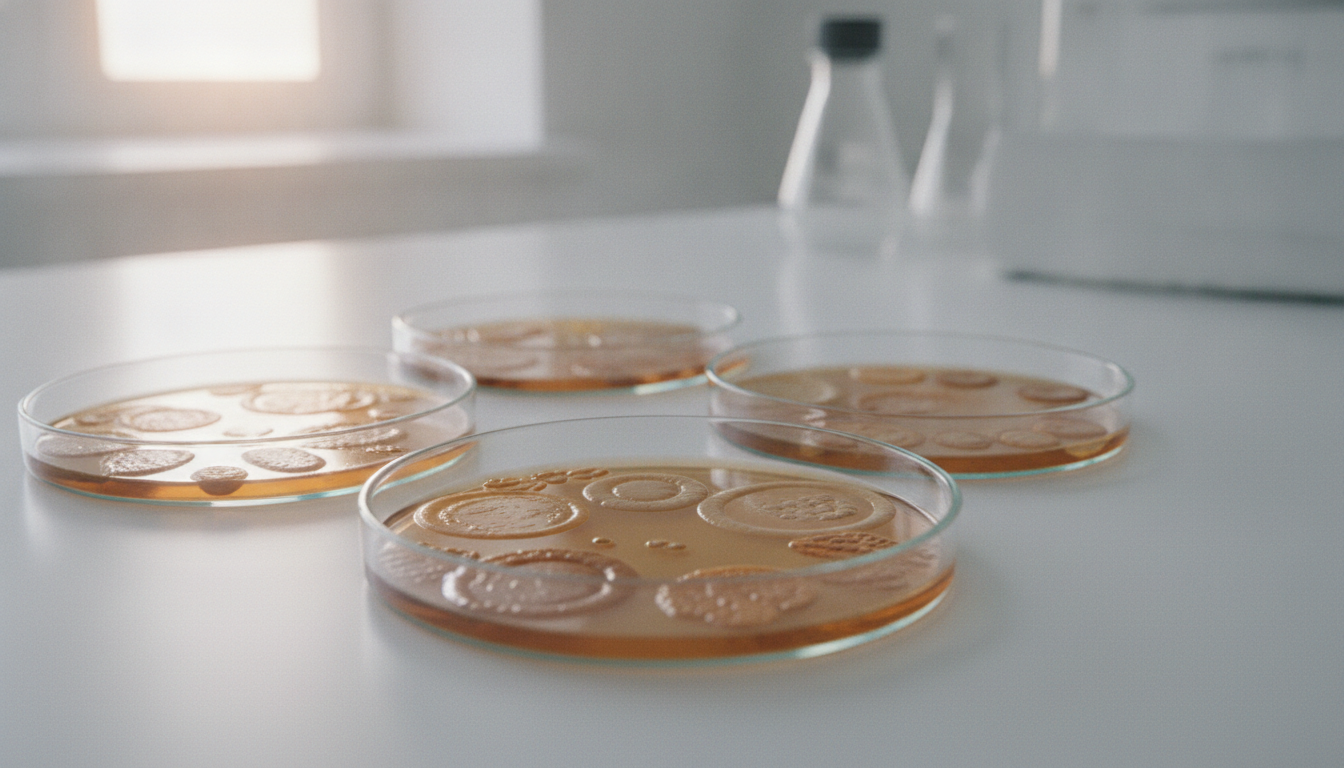
Research into potential links between gut bacteria and autism continues to evolve, with new sibling-controlled studies offering more rigorous evidence of subtle microbial differences — though experts stress these findings do not imply causation and may reflect secondary factors like diet or genetics.
Key Findings Explained Simply
A December 2025 study in Nature compared gut bacteria in autistic children and their non-autistic siblings, finding modest variations in bacterial types and overall diversity (the range of different microbes present). These differences were statistically associated with social communication scores, but the study could not determine whether microbial changes influence behavior or vice versa. Meanwhile, another Nature study showed that selective eating habits — which are common among autistic individuals due to sensory sensitivities — significantly alter gut bacteria composition and related inflammation markers. This suggests diet may explain some microbiome differences previously attributed to autism itself.
This suggests diet may explain some microbiome differences previously attributed to autism itself.
Machine learning analyses have identified some consistent bacterial patterns across smaller studies, as noted in a Frontiers review. Early, small-scale trials testing probiotics or fecal transplants report improvements in gastrointestinal discomfort for some participants, but these lack placebo controls and show minimal behavioral effects, per a 2024 mSystems pilot study.
Limitations and Ongoing Debates
A November 2025 critique in Science analyzed 32 studies and found that most microbiome-autism research suffers from small samples (often under 100 participants), inconsistent methods, and failure to account for diet or medications that drastically alter gut bacteria. When these factors are controlled, microbial differences shrink to negligible levels in larger cohorts. For example, a 2023 Nature study of 1,000 children found that autism-related microbiome changes were 80% smaller than early studies claimed after adjusting for dietary patterns.
While sibling-matched designs help control for shared environments, they cannot eliminate all confounding variables. As researchers noted in Frontiers in Psychiatry, any observed microbial signatures may result from genetic factors influencing both gut function and neurodevelopment, rather than directly causing autism traits. The bidirectional gut-brain axis remains poorly understood.
Sources
- 01Gut microbiota analysis in children with autism spectrum disorder and their family members
- 02Distinct diet-microbiome associations in autism spectrum disorder
- 03Gut bacteria patterns differ in autism and siblings and link to social symptoms
- 04Research linking gut microbes to autism is deeply flawed ...
- 05A robust microbiome signature for autism spectrum ...
Common questions
Behind the brief
Adversarial editorial review
Open thread