Brain & NeuroscienceResearch
New Studies Complicate the Gut Microbiome-Autism Link, Highlighting Diet and Family Factors
Emerging research suggests dietary habits and shared family environments may explain gut microbiome differences in autistic children more than autism itself, challenging long-held hypotheses.
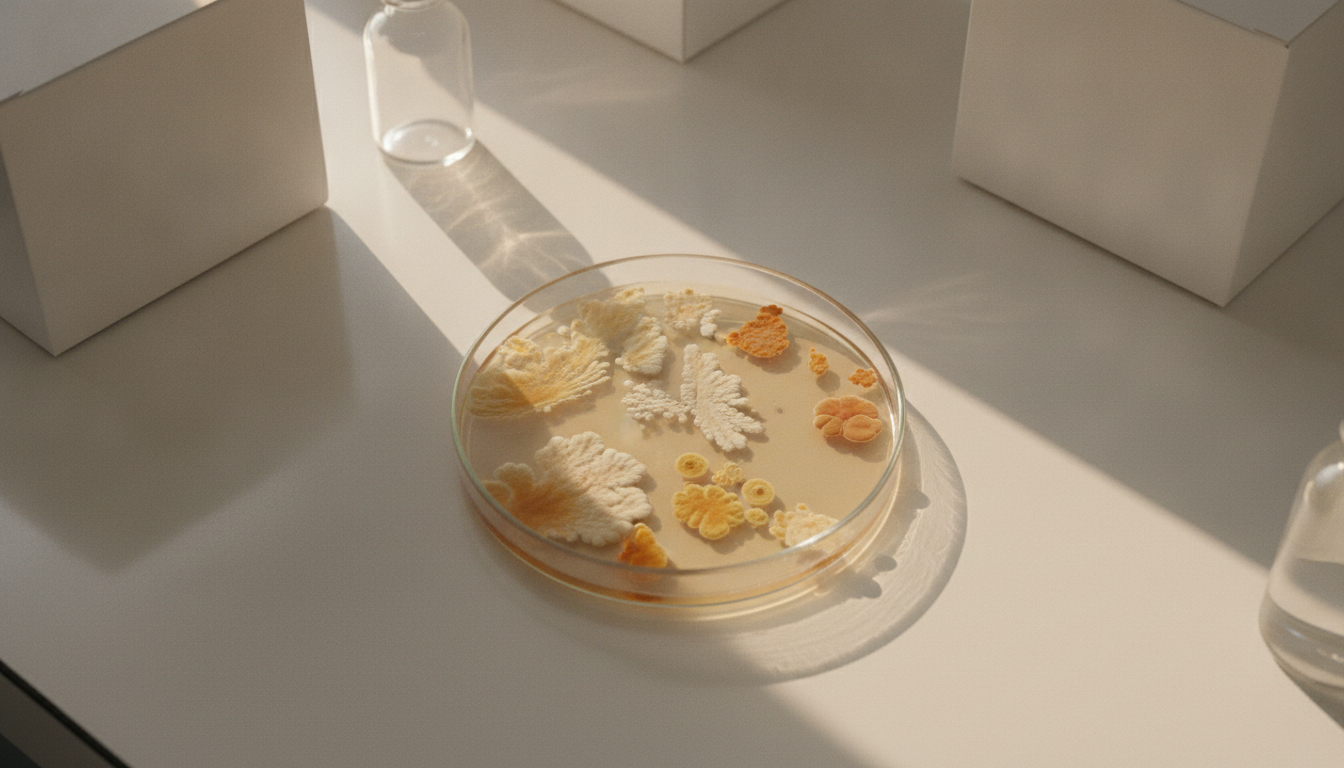
For years, scientists have explored whether differences in gut bacteria might play a role in autism. But a wave of new research is complicating the picture, suggesting that dietary habits and family environments may explain these differences more than autism itself.
Shared Family Microbiomes
A December 2025 study in Scientific Reports (a peer-reviewed open-access journal) found that autistic children often share similar gut microbiomes with their non-autistic family members. This suggests that genetics, household environments, or shared diets—not autism alone—could be shaping these microbial communities. The study, which included 23 autistic children and 23 family members, noted that 'the family effect was striking,' implying that microbiome differences might be a secondary effect rather than a root cause. However, the small sample size limits the strength of these conclusions.
This suggests that genetics, household environments, or shared diets—not autism alone—could be shaping these microbial communities.
The Diet Connection
Another study in Nature Communications (a peer-reviewed but less selective journal than Nature) highlighted how selective eating—a common but not universal trait among autistic children—could be linked to gut microbiome changes. Autistic children with limited diets showed distinct microbial profiles, which researchers associated with lower fiber intake and higher processed food consumption. These dietary patterns, rather than autism itself, were correlated with gut inflammation and other digestive symptoms. Importantly, the study did not establish causality, and dietary changes can be challenging for autistic individuals with sensory sensitivities or feeding disorders.
Critics Push Back
Some researchers question the strength of the gut-autism link. A news article in Science reported that critics argue many studies suffer from small sample sizes, inconsistent methods, and publication bias favoring positive results. Similarly, a Medscape opinion piece described the hypothesis as a 'dead end,' noting that microbiome differences in autism are often minimal and could be influenced by diet, medication use, or study-site variability. These critiques emphasize the need for more rigorous research.
What’s Next?
While the gut microbiome remains an area of interest, researchers caution against oversimplifying the relationship. 'We need to disentangle whether these microbial differences are a cause, a consequence, or just a bystander,' one scientist told News-Medical. Future studies will need to account for diet, family dynamics, and environmental factors to clarify the connection—if one exists. Longitudinal and interventional studies are particularly needed to move beyond correlation and explore causation.
Sources
- 01Gut microbiota analysis in children with autism spectrum disorder and their family members
- 02Distinct diet-microbiome associations in autism spectrum disorder
- 03Research linking gut microbes to autism is deeply flawed, critics say
- 04Is the Gut-Autism Hypothesis a ‘Dead End'?
- 05Do gut microbes cause autism? New research says diet plays the bigger role
Common questions
Behind the brief
Adversarial editorial review
Open thread