Brain & NeuroscienceResearch
New studies clarify how maternal immune activation and air pollution may influence autism likelihood
Primate and twin research strengthens evidence linking prenatal immune responses and environmental exposures to neurodevelopmental differences, but questions remain about mechanisms and individual variability.
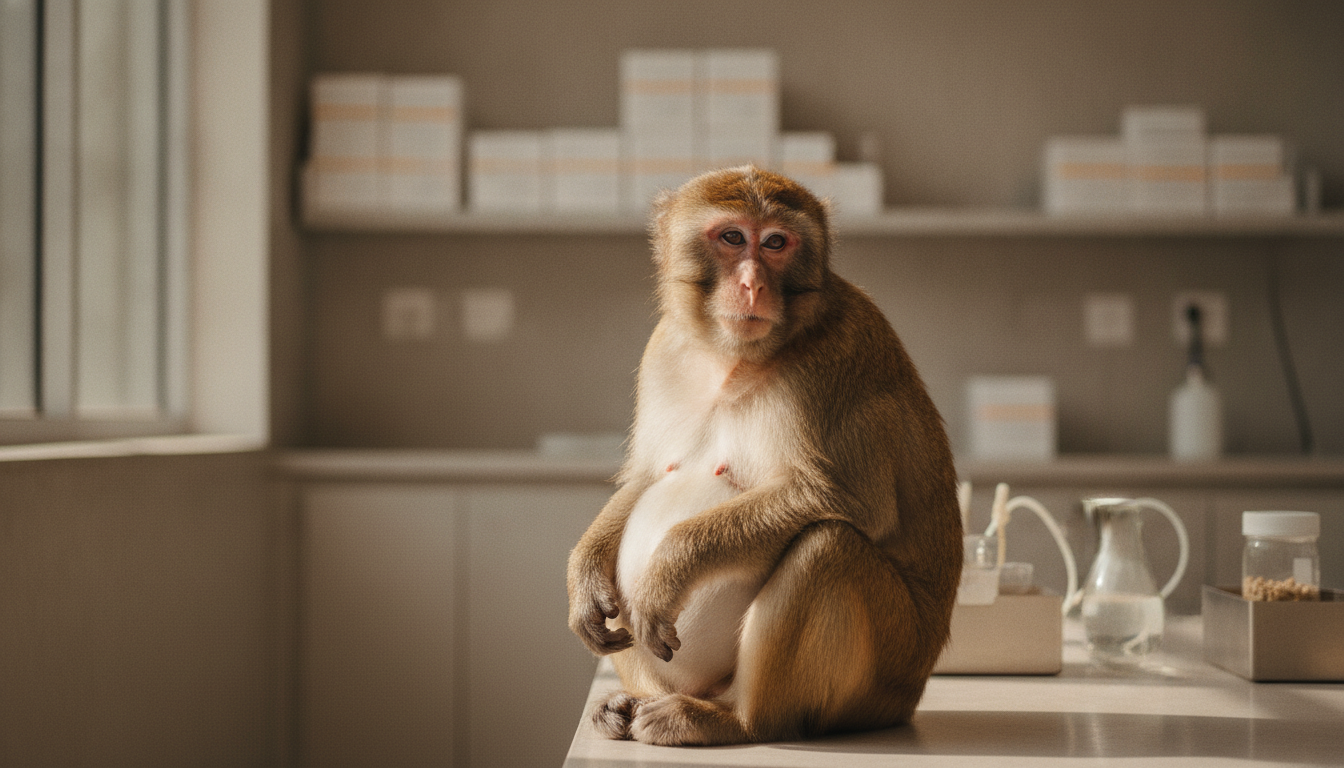
Research continues to explore how prenatal environmental factors—particularly maternal immune activation and air pollution exposure—may interact with genetic predispositions to influence autism likelihood. Autism is a natural variation in neurodevelopment with strong genetic components, and these studies help illuminate potential biological pathways without implying causation or deficit.
Immune signaling and fetal brain development
When a pregnant person's immune system activates in response to infections or other triggers (a process called maternal immune activation or MIA), it may affect fetal brain development. A December 2025 study in Molecular Psychiatry using rhesus monkeys found that mimicking a viral immune response during pregnancy altered gene expression in offspring's amygdala, a brain region involved in emotional processing. These changes persisted into adolescence. However, as the study notes, primate models have limitations, and findings require human validation.
Meanwhile, a small pilot twin study (Nature, 2026) identified preliminary immune marker differences in mothers who later had autistic children.
Human studies show correlations between maternal infections during pregnancy and autism likelihood. A January 2026 Nature study of 10,000 births found hospital-documented infections correlated with a 37% higher chance of an autism diagnosis—but this reflects population-level trends, not individual risk. Meanwhile, a small pilot twin study (Nature, 2026) identified preliminary immune marker differences in mothers who later had autistic children. The authors stress this exploratory work requires replication with larger samples before any clinical application.
Air pollution's role remains complex
Air pollution exposure during pregnancy has also been associated with autism likelihood, though mechanisms are unclear. A 2023 ScienceDirect study linked third-trimester PM2.5 exposure to higher likelihood, while JAMA Network Open highlighted black carbon as a potential concern. These observational studies cannot prove causation, and factors like socioeconomic status may confound results. Practical steps like using HEPA filters or checking local air quality reports may help reduce exposure.
Metabolic factors and inflammation
Meta-analyses, including a 2024 Biological Psychiatry review01760-8/fulltext), suggest maternal metabolic conditions like gestational diabetes may correlate with slightly higher autism likelihood (e.g., increasing absolute risk from ~1.5% to ~2%). Researchers theorize inflammation may play a role, but most children exposed to these factors are not autistic.
Sources
- 01Maternal and neonatal cytokine profiles in a twin cohort: evidence from an exploratory pilot study of perinatal immune dysregulation in autism
- 02Prenatal and birth factors associated with child autism diagnosis: a birth cohort perspective
- 03Prenatal maternal immune activation triggers lasting cell-specific transcriptomic dysregulation in the amygdala of primate offspring | Molecular Psychiatry
- 04Prenatal environmental risk factors for autism spectrum ... - PMC
- 05Prenatal air pollution, maternal immune activation, and ...
- 06Maternal Immune Activation and Autism in Offspring
- 07Prenatal Exposure to Fine Particulate Matter Components ...
Common questions
Behind the brief
Adversarial editorial review
Open thread