Brain & NeuroscienceResearch
New Studies Challenge Direct Links Between Autism and Gut Microbiome, Highlighting Diet's Role
Family-based research suggests shared environments and dietary habits may explain gut differences more than autism itself, while critics warn of methodological flaws in microbiome studies.
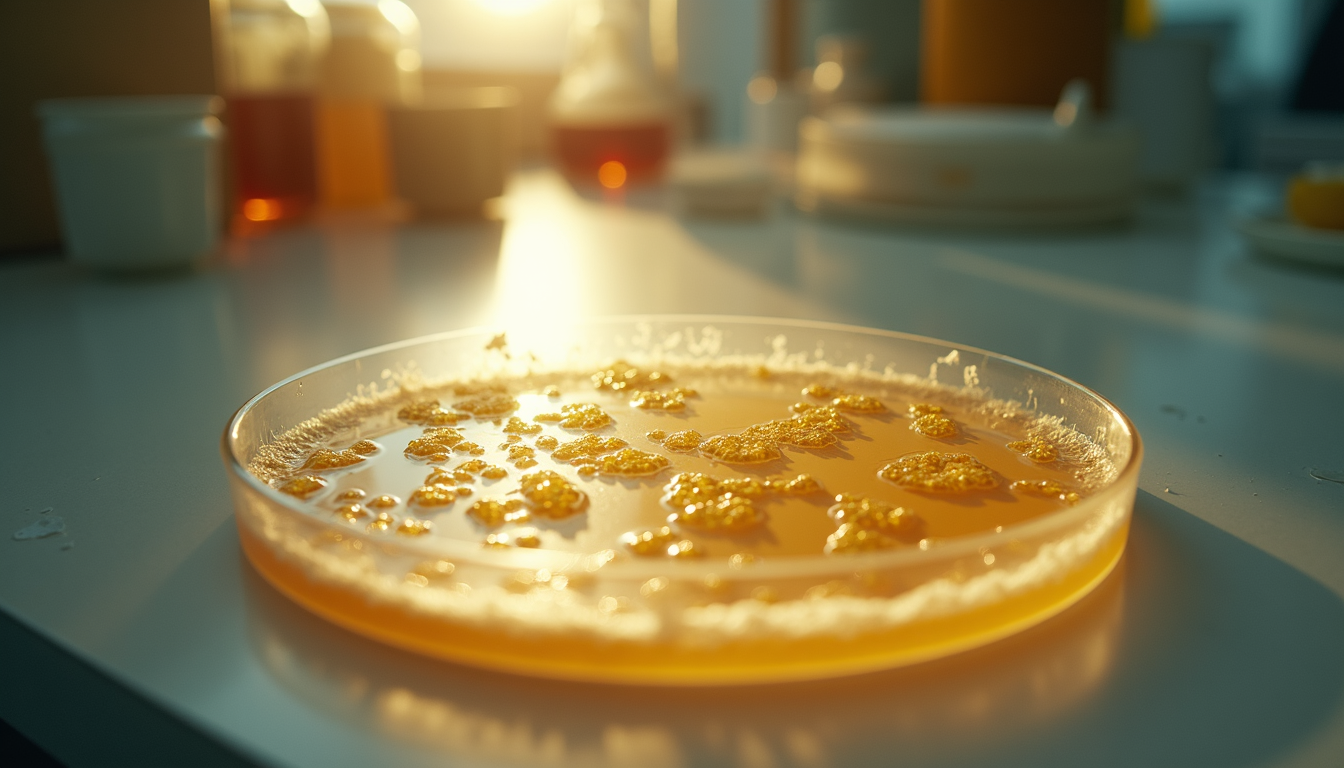
The Family Factor in Autism-Gut Research
A groundbreaking study in Nature comparing gut microbiomes of autistic children with their non-autistic siblings and parents found that family members shared similar microbial profiles, challenging the idea of autism-specific gut bacteria. The research suggests environmental factors like shared diets, households, and lifestyles may account for many observed differences previously attributed to autism itself.
Diet Emerges as Key Player
Separate research published in Nature Communications identified distinct diet-microbiome associations in autism, particularly linking selective eating behaviors - common among autistic individuals - with inflammatory gut bacteria patterns. 'When we accounted for dietary differences, many purported autism-microbiome signatures disappeared,' the authors noted, suggesting food preferences may drive gut changes more than underlying biology.
Critics argue effect sizes in many studies are minimal when family and environmental factors are properly accounted for.
Transdiagnostic Patterns Challenge Specificity
Adding complexity, a PsyPost-reported analysis found overlapping gut microbiome alterations across autism, ADHD, and anorexia nervosa. These shared patterns question whether microbial changes reflect neurological conditions specifically or broader behavioral and dietary traits common across diagnoses.
Ongoing Scientific Debate
As Science reported, prominent researchers are raising concerns about methodological flaws in autism microbiome studies, including small sample sizes and inadequate control for confounding factors like diet and medications. Critics argue effect sizes in many studies are minimal when family and environmental factors are properly accounted for.
Sources
- 01Gut microbiota analysis in children with autism spectrum disorder and their family members
- 02Distinct diet-microbiome associations in autism spectrum disorder
- 03Research linking gut microbes to autism is deeply flawed, critics say
- 04Shared gut microbe imbalances found across autism, ADHD, and anorexia nervosa
Common questions
Behind the brief
Adversarial editorial review
Open thread