Education & SupportResearch
New Research Highlights Gaps and Gains in AAC Access for Nonspeaking Autistic Children
Studies reveal racial disparities in device access, promising telepractice alternatives, and the power of peer support in augmentative communication.
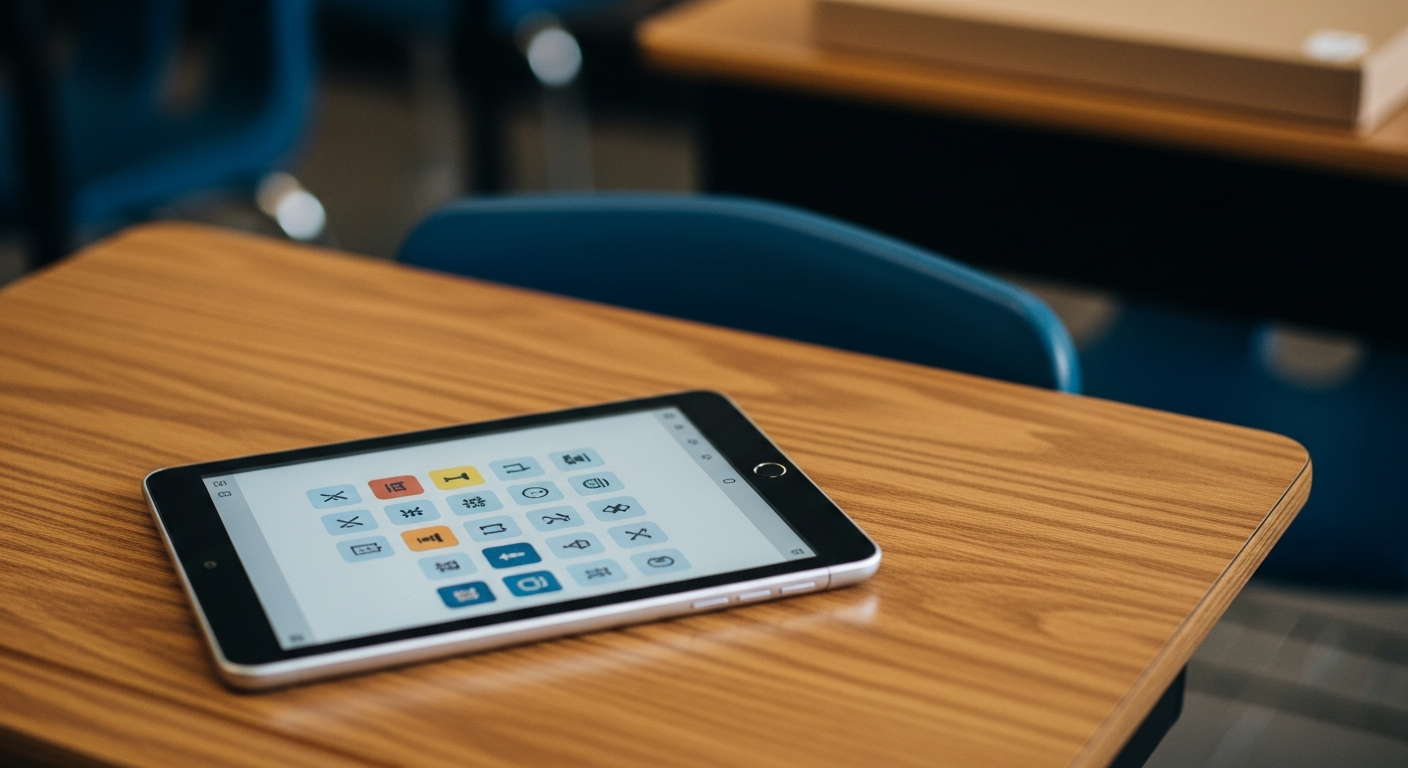
The Access Gap
A stark racial disparity exists in access to augmentative and alternative communication (AAC) devices for minimally verbal autistic children, according to a May 2025 study (n=287 families) highlighted by Newswise. While 84% of white families reported having AAC tools like speech-generating tablets or picture boards, only 32% of non-white families did—a gap that persisted after controlling for income and insurance status. The Autistic Self Advocacy Network attributes this to systemic barriers in referral pipelines and clinician awareness of AAC options.
Telepractice Shows Promise (With Caveats)
For families facing geographic or logistical hurdles, remote AAC intervention may offer comparable benefits to in-person therapy in some cases. A March 2024 randomized controlled trial (n=42) in the Journal of Speech, Language, and Hearing Research found telepractice achieved similar communication gains over six months, though the study excluded children with co-occurring motor or sensory differences that might affect tech use. As noted in Autism Spectrum News, successful telepractice requires stable internet, device access, and caregiver support.
Teacher training emerged as a key factor—only 22% of educators reported receiving AAC professional development.
Classroom Context Matters
Where AAC devices are used significantly impacts their effectiveness. A July 2023 observational study (n=31 classrooms) in the International Journal of Speech-Language Pathology found nonspeaking autistic children used devices 40% more frequently in inclusive general education settings with peer interaction opportunities versus segregated special education classrooms. Teacher training emerged as a key factor—only 22% of educators reported receiving AAC professional development.
The Power of Peers
Peer-mediated support—teaching classmates to model AAC use, pause for responses, and share device control—increased social interactions by 58% in a July 2025 study (n=15 dyads) summarized by Notables. These strategies align with neurodiversity-affirming approaches that prioritize autistic communication styles. However, the small sample size warrants cautious interpretation.
High-Tech vs. Low-Tech: Individual Fit Is Key
While some children thrive with high-tech AAC (e.g., tablets with voice output), others prefer low-tech options (picture cards or sign language). A December 2023 systematic review (17 studies) in Neuroregulation found high-tech tools superior for social communication in 60% of cases reviewed, but stressed the need for multimodal options. As Today's Parent notes, assessment should consider motor skills, sensory preferences, and family capacity for tech maintenance.
Sources
- 01A Randomized Controlled Trial Comparing Face-to-Face Versus ...
- 02Study Reveals Wide Gap in Awareness of AAC Devices for Children ...
- 03Full article: The influence of classroom context on AAC device use ...
- 04Clinical Effectiveness of AAC Intervention in Minimally Verbal ...
- 05Teaching peers to support communication: new research on AAC ...
Behind the brief
Adversarial editorial review
Open thread