Brain & NeuroscienceResearch
New Research Highlights Complex Links Between Autism, Epilepsy, and Gastrointestinal Issues
Emerging studies reveal high rates of co-occurring conditions in autistic individuals, with evidence connecting seizures and GI symptoms, while emphasizing the need for autistic-inclusive research and healthcare approaches.
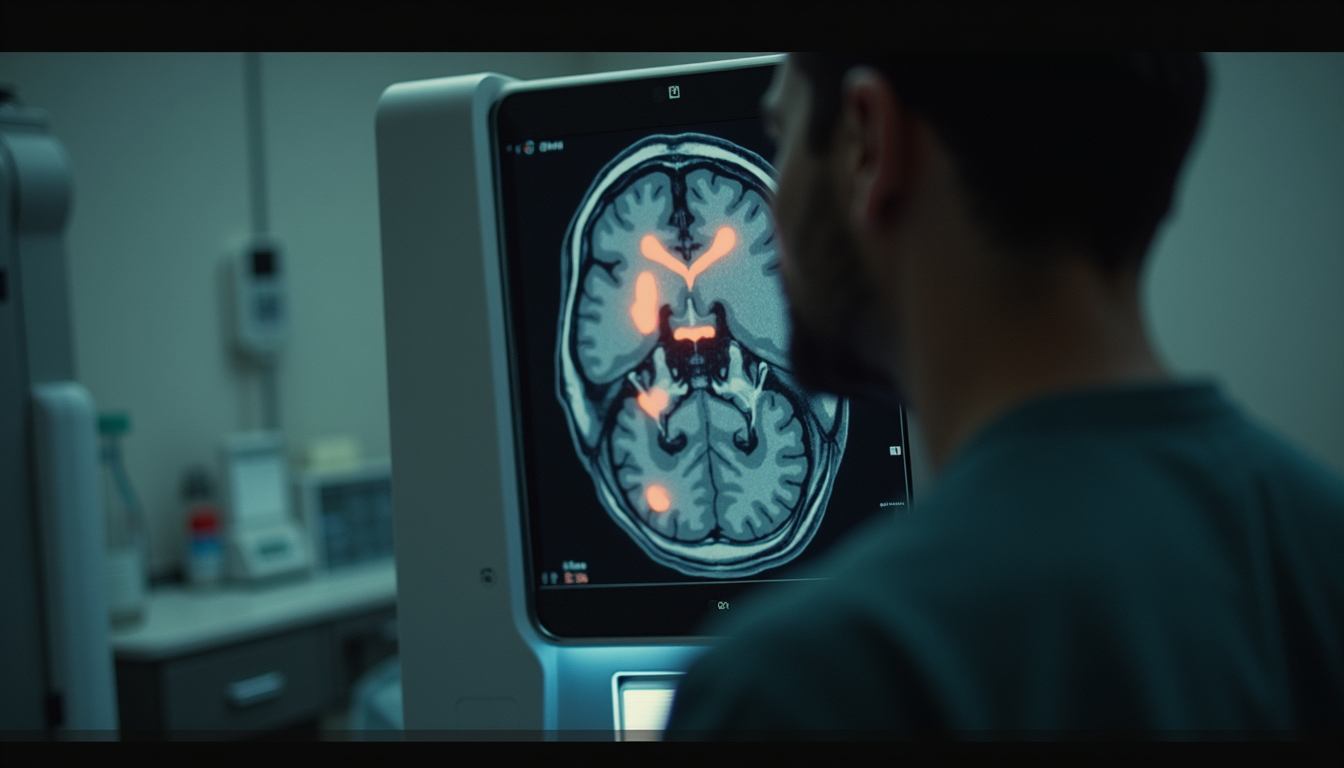
The Prevalence of Co-Occurring Conditions in Autism
Autistic individuals often experience a range of co-occurring conditions, with recent studies reinforcing the high prevalence and complexity of these associations. Epilepsy, for instance, co-occurs in up to 50% of autistic individuals, as reported by The Transmitter. Similarly, gastrointestinal (GI) disorders are common, with research from the University of Cambridge highlighting their correlation with increased repetitive behaviors in autistic children. However, it's crucial to note that these associations may reflect shared neurological mechanisms, but could also be influenced by factors such as diagnostic bias or medication effects, as discussed in ASAN’s Response to the IACC RFI on Co-Occurring Conditions.
Emerging Links Between Epilepsy and GI Symptoms
A 2025 preprint study on medRxiv found correlations between seizures and specific GI symptoms like constipation and diarrhea. While the study is preliminary and not yet peer-reviewed, it adds to a growing body of evidence suggesting potential bidirectional relationships between these conditions. Researchers caution that more longitudinal studies are needed to understand the directionality of these links and to account for potential confounding factors, as highlighted in Characterizing the Interplay Between Autism Spectrum Disorder and ....
Epilepsy, for instance, co-occurs in up to 50% of autistic individuals, as reported by The Transmitter.
Psychiatric Comorbidities and Aging
Psychiatric conditions such as anxiety and ADHD affect 54-94% of autistic individuals, with rates increasing with age, according to a study in Psychological Medicine. This aligns with findings from ScienceDirect, which notes that co-occurring conditions often become more pronounced during adolescence and adulthood. Autistic-led research, such as that from the Autistic Self Advocacy Network, emphasizes that these trends may reflect both biological factors and the cumulative impact of societal barriers.
Elevated Health Risks and Life Expectancy
Autistic individuals face elevated risks for chronic physical health conditions and reduced life expectancy, as highlighted by the University of Cambridge. Importantly, premature death in autistic individuals is often driven by preventable causes such as suicide, seizures without adequate support, and healthcare discrimination, rather than autism itself, as noted in Autism Life Expectancy: What Parents Need to Know.
Consensus and Contested Areas
While the evidence for high rates of co-occurring conditions in autism is robust, some areas remain contested. For example, the directionality of relationships between conditions like epilepsy and GI disorders is still unclear. Researchers emphasize the importance of further studies to unravel these complex interactions, including the need for autistic-inclusive research designs, as advocated by ASAN’s Response to the IACC RFI on Co-Occurring Conditions.
Sources
- 01Co-occurring conditions in autistic teens increase with age
- 02Autistic individuals have increased risk of chronic physical health conditions across the whole body
- 03Neurological and psychiatric disorders among autistic adults: a population healthcare record study
- 04Prevalence of co-occurring conditions in children and adults with ...
- 05Co-occurrence of Seizures and Gastrointestinal Symptoms in ...
- 06Study examines factors associated with co-occurrence of autism and ...
Common questions
Behind the brief
Adversarial editorial review
Open thread