Therapies & TreatmentResearch
New Research Focuses on Communication Supports for Non-Speaking and Minimally Verbal Autistic Individuals
As debates continue about autism spectrum classification, scientists are working to address gaps in support for those with significant communication differences
Addressing a Critical Gap in Autism Research
A new wave of research is focusing on communication supports for non-speaking and minimally verbal autistic individuals, who represent an estimated 26-30% of the autistic population yet have been historically excluded from studies. A major $17.25 million grant awarded to Seattle Children's Hospital last month signals growing recognition of this research gap.
Despite making up a significant portion of the autistic community, minimally verbal individuals account for only about 2% of participants in autism studies, according to a 2019 meta-analysis updated in The Transmitter's 2024 reporting. This underrepresentation has left critical questions unanswered about how best to support diverse communication needs.
A major $17.25 million grant awarded to Seattle Children's Hospital last month signals growing recognition of this research gap.
Emerging Approaches to Communication Support
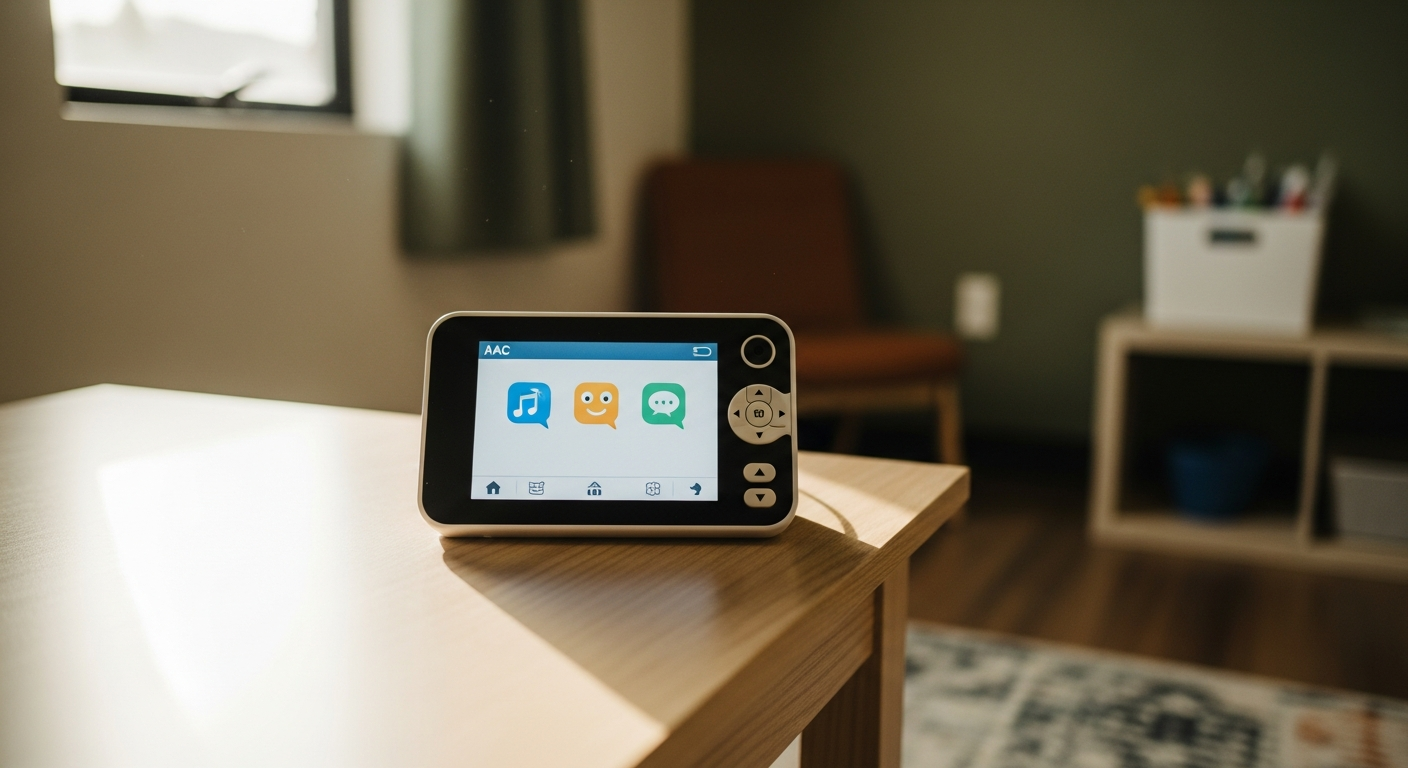
Recent peer-reviewed studies are beginning to fill this void. A November 2023 Nature study examined visual learning patterns in minimally verbal preschoolers, offering clues about alternative communication pathways. Meanwhile, researchers at the University of Michigan are developing community-based support models that may include speech therapy, augmentative and alternative communication (AAC) devices, or parent coaching based on individual needs.
Early support shows promise for some children. A Drexel University study found that many autistic children who received early support developed spoken language, though the team noted this finding didn't specifically apply to non-speaking children and highlighted significant recruitment challenges for studies involving minimally verbal participants.
The Spectrum Classification Debate
The research push comes amid ongoing discussions about whether to formally recognize 'profound autism' as a distinct category, a proposal not currently included in the DSM-5. As PBS reported, many autistic self-advocates oppose this labeling, arguing it fragments community identity and reinforces deficit-based perspectives.
Autistic researcher D.J. Savarese, who types to communicate, notes that 'presuming competence is the least dangerous assumption' when working with non-speaking individuals. What remains clear is that non-speaking and minimally verbal autistic individuals require tailored approaches that respect all forms of communication. As one autism science resource notes, inclusion of this population in research demands creative methodologies that don't rely solely on verbal communication.
Sources
- 01Dr. Sara Jane Webb Awarded Grant up to $17.25M to Advance Autism Research
- 02Visual statistical learning and social attention in neurotypical, minimally speaking and speaking autistic preschoolers
- 03Autistic people with intellectual disability often excluded in studies
- 04Science Corner: Who is missing from autism research and why it ...
- 05Adaptive Interventions for Minimally Verbal Children With Autism ...
- 06Drexel Study Finds Early Intervention Helps Most Autistic Children ...
Common questions
Behind the brief
Adversarial editorial review
Open thread