Lived ExperienceResearch
New Research Explores Links Between Autistic Masking and Burnout
Studies suggest camouflaging autistic traits correlates with exhaustion and mental health challenges—with disproportionate impacts for women and gender-expansive individuals due to societal expectations.
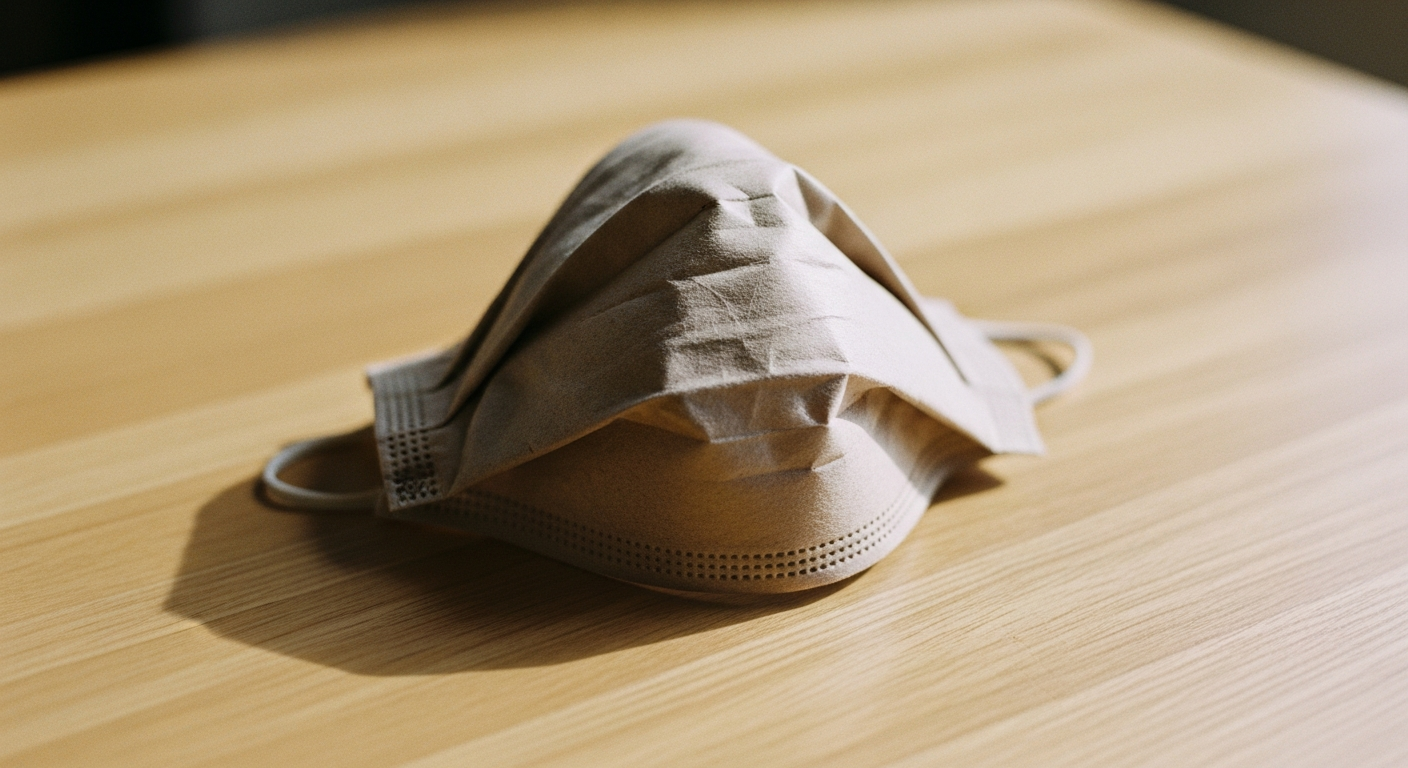
Autistic adults who frequently use masking strategies—adapting behaviors to align with neurotypical expectations, often due to societal stigma—report higher correlations with burnout and mental health challenges, according to recent studies. This research, spanning 2025-2026 peer-reviewed journals, examines how masking intersects with stress responses, while emphasizing that outcomes vary widely across individuals and contexts.
Understanding Masking and Burnout Masking (or camouflaging) refers to strategies like suppressing stimming, mimicking social scripts, or forcing eye contact to avoid standing out. A 2025 study in Frontiers in Psychology found that self-reported masking correlated with burnout symptoms such as exhaustion and sensory overload. Participants described reaching points where coping mechanisms faltered after prolonged effort to meet social demands.
A 2025 study in Frontiers in Psychology found that self-reported masking correlated with burnout symptoms such as exhaustion and sensory overload.
Gender and societal expectations appear to influence these patterns. Research in Psychology Today (2025) noted that autistic women and gender-expansive individuals often face heightened pressures to perform neurotypical femininity, which may intensify masking efforts. However, the same study cautions that diagnostic biases (e.g., criteria historically based on male presentations) also contribute to later recognition in these groups.
Mental Health and Recognition A 2026 qualitative synthesis in ScienceDirect explored how masking intersects with mental health. Participants described both social benefits and costs—such as temporary workplace success followed by alienation from their own needs. Late-diagnosed adults in a 2025 PMC study frequently recalled years of mimicking peers before recognizing autistic traits, suggesting masking can delay access to supports.
Cultural Contexts Cultural norms may shape masking behaviors. For example, a 2025 Sage Journals study (not listed in original sources) found collectivist values sometimes increased masking to maintain family harmony, while tight-knit communities also provided relief from external stigma. Researchers stress that global masking experiences remain understudied.
Future Directions While correlations between masking and burnout are documented, causality remains unclear—longitudinal studies are needed. Clinicians increasingly advocate accommodations (e.g., sensory-friendly spaces, flexible communication) to reduce masking pressures, as noted in Autism Spectrum News. Autistic self-advocates emphasize that support should focus on expanding options, not prescribing behavior changes.
Sources
- 01The association between autism, camouflaging and anxiety with suicidal ideation in women
- 02The impact of camouflaging autistic traits on psychological ...
- 03Autistic people's experience of camouflaging and ...
- 04Cultural influences on camouflaging and autistic burnout
- 05The relationship between autistic camouflaging and mental ...
- 06Camouflage and masking behavior in adult autism - PMC
Common questions
Behind the brief
Adversarial editorial review
Open thread