Lived ExperienceResearch
New Research Explores Links Between Autistic Camouflaging and Burnout
Studies examine how adapting to neurotypical expectations may contribute to exhaustion, with cultural and social factors shaping these experiences.
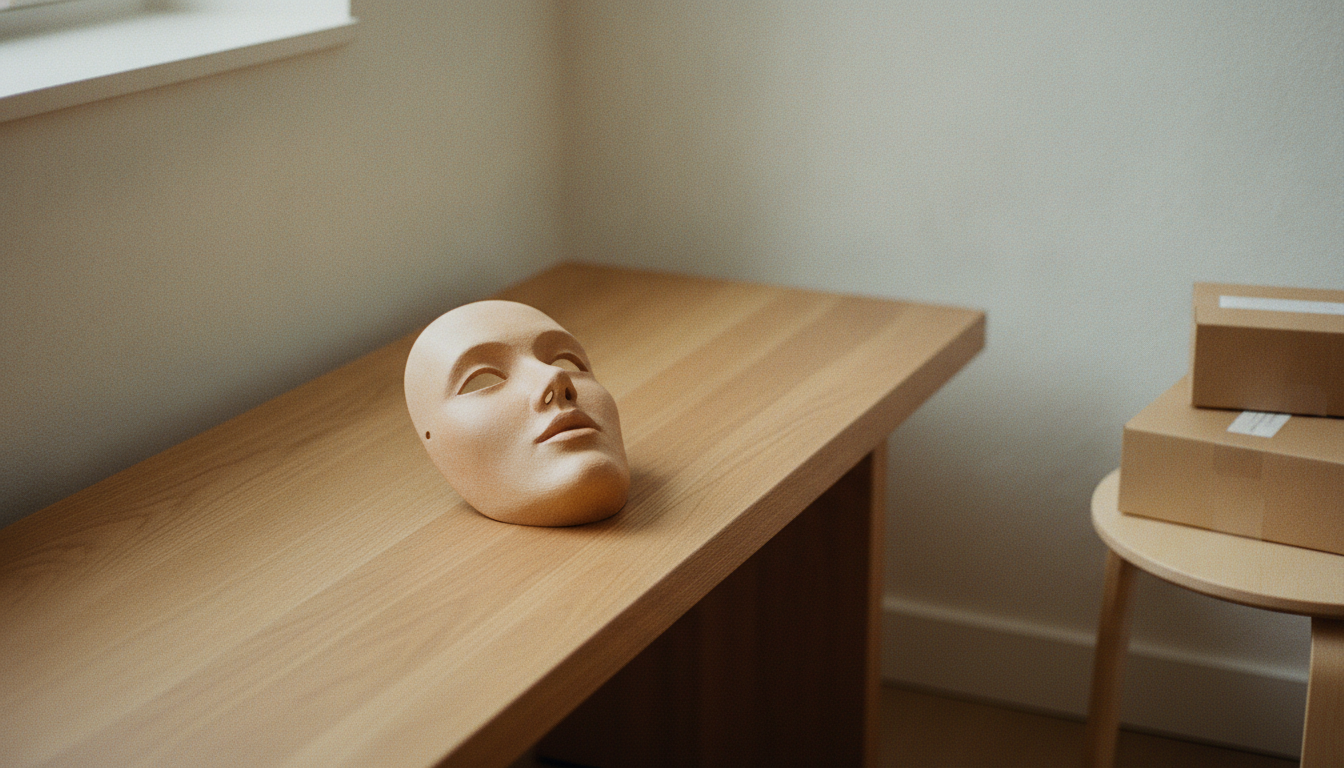
Autistic adults who frequently adapt their behaviors to align with neurotypical expectations—a practice often termed camouflaging or masking—may face heightened risks of burnout and mental health challenges, according to recent research. A 2026 scoping review in Frontiers in Psychiatry identified consistent associations between camouflaging and outcomes like anxiety, depression, and suicidal ideation, though causation remains unclear due to study limitations.
Understanding Camouflaging and Burnout
Camouflaging involves adjusting behaviors (e.g., suppressing stimming or mimicking eye contact) to navigate social environments. While it can serve as a coping mechanism in unsupportive settings, sustained efforts may lead to autistic burnout—a state of profound exhaustion often accompanied by cognitive overload and skill regression. A 2025 study in Nature found that social exclusion and stigma exacerbate these effects, creating a cycle where masking intensifies to avoid judgment, further depleting energy reserves.
However, the study emphasized the need for longitudinal research to clarify causality.
Research published in ScienceDirect in 2026 noted that camouflaging is a significant predictor of burnout, particularly among late-diagnosed adults and women, who often face heightened social pressures to conform. However, the study emphasized the need for longitudinal research to clarify causality.
Cultural and Social Contexts
Cultural norms shape how camouflaging manifests. For example, a 2025 study in Sage Journals found that Latino autistic adults may mask differently due to familial expectations, underscoring the need for culturally informed support. Yet, generalizability remains limited, as most studies lack diverse samples.
Toward Inclusive Solutions
While estimates suggest many autistic adults camouflage (e.g., a 2025 Frontiers study reported high rates among women), standardized measurement tools are lacking. Researchers advocate for societal shifts—such as reducing stigma and fostering acceptance—to lessen the need for masking and improve well-being.
Sources
- 01The relationship between autistic camouflaging and mental health: a scoping review
- 02Autism traits and mental well-being: the mediating role of social camouflaging and the moderating role of social exclusion and public stigma
- 03Autistic people's experience of camouflaging and autistic burnout ...
- 04The impact of camouflaging autistic traits on psychological and ... - PMC
- 05Cultural influences on camouflaging and autistic burnout - Sage Journals
Common questions
Behind the brief
Adversarial editorial review
Open thread