Brain & NeuroscienceResearch
New research explores links between autism, epilepsy, and gastrointestinal symptoms
Studies identify factors in autism-epilepsy co-occurrence while preliminary data connects seizures to GI issues in autistic individuals
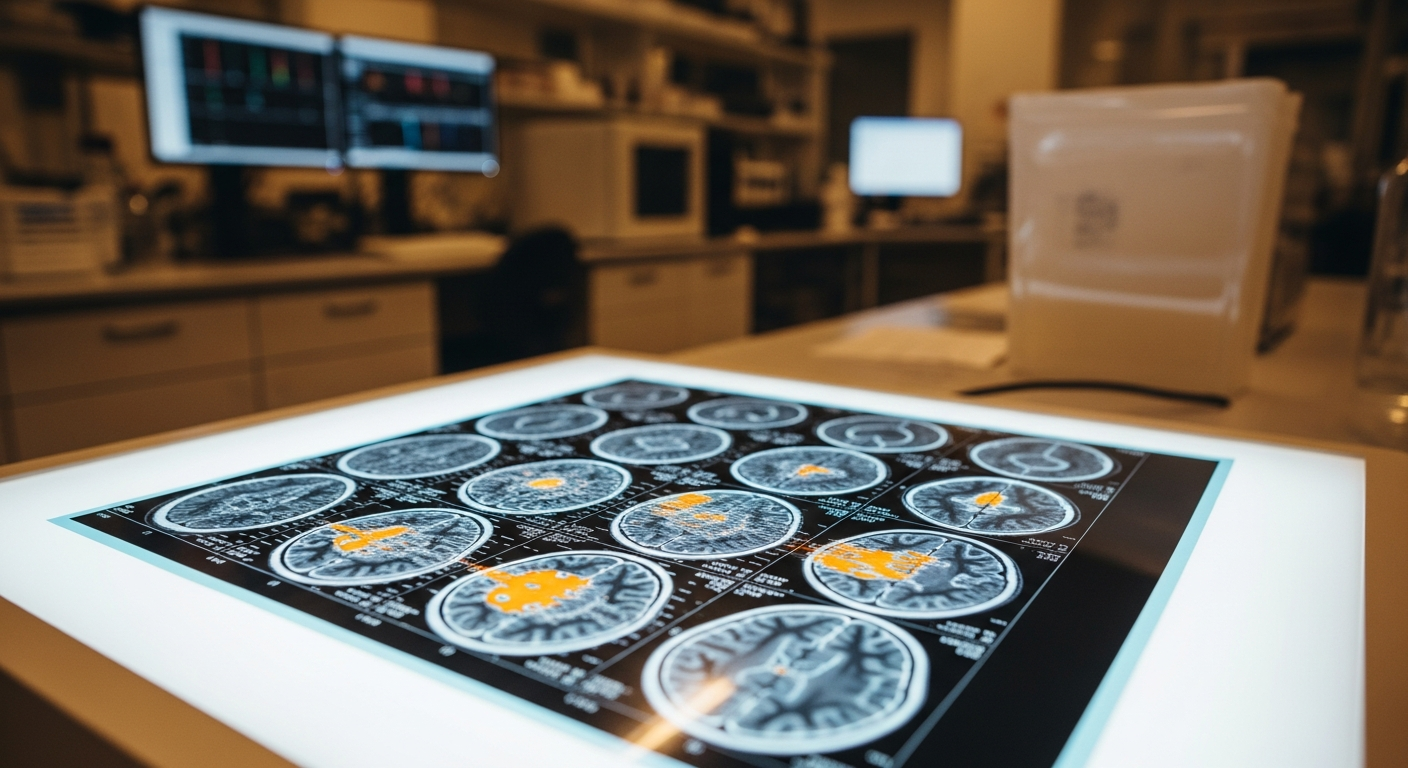
The autism-epilepsy connection
A May 2026 study published by News-Medical examined why epilepsy occurs more frequently in autistic children than in the general population. While the exact mechanisms remain unclear, researchers identified several contributing factors including genetic predispositions, neurological differences, and early developmental patterns. The study adds to a growing body of evidence showing that autistic individuals face elevated risks for certain co-occurring conditions, as noted in a 2024 report by The Transmitter.
Seizures and gut symptoms
Preliminary data from a February 2025 preprint on medRxiv found a correlation between seizures and gastrointestinal symptoms like constipation and diarrhea in autistic individuals. While the study doesn't establish causation, it suggests potential shared biological pathways between neurological and digestive systems in autism, building on earlier work highlighted by Autism Spectrum News. The researchers emphasize that these findings need validation through peer review and further study.
The researchers emphasize that these findings need validation through peer review and further study.
Changing needs across the lifespan
The 2024 report in The Transmitter highlighted how co-occurring conditions like epilepsy and anxiety often become more prevalent as autistic individuals enter adolescence and adulthood. This longitudinal perspective underscores the importance of ongoing, age-appropriate healthcare for autistic people as their needs evolve, a point reinforced by the Autistic Self Advocacy Network.
Whole-body health considerations
A comprehensive 2023 University of Cambridge study found that autistic individuals face higher risks for chronic physical health conditions affecting multiple body systems. This research reinforces the need for healthcare approaches that consider the whole person rather than focusing solely on autism's neurological aspects, as advocated by autism.org.
Sources
Common questions
Behind the brief
Adversarial editorial review
Open thread