Therapies & TreatmentResearch
New research explores communication supports for minimally verbal autistic individuals, with lingering questions
Studies examine visual learning and adaptive approaches while navigating debates about classification and research inclusion
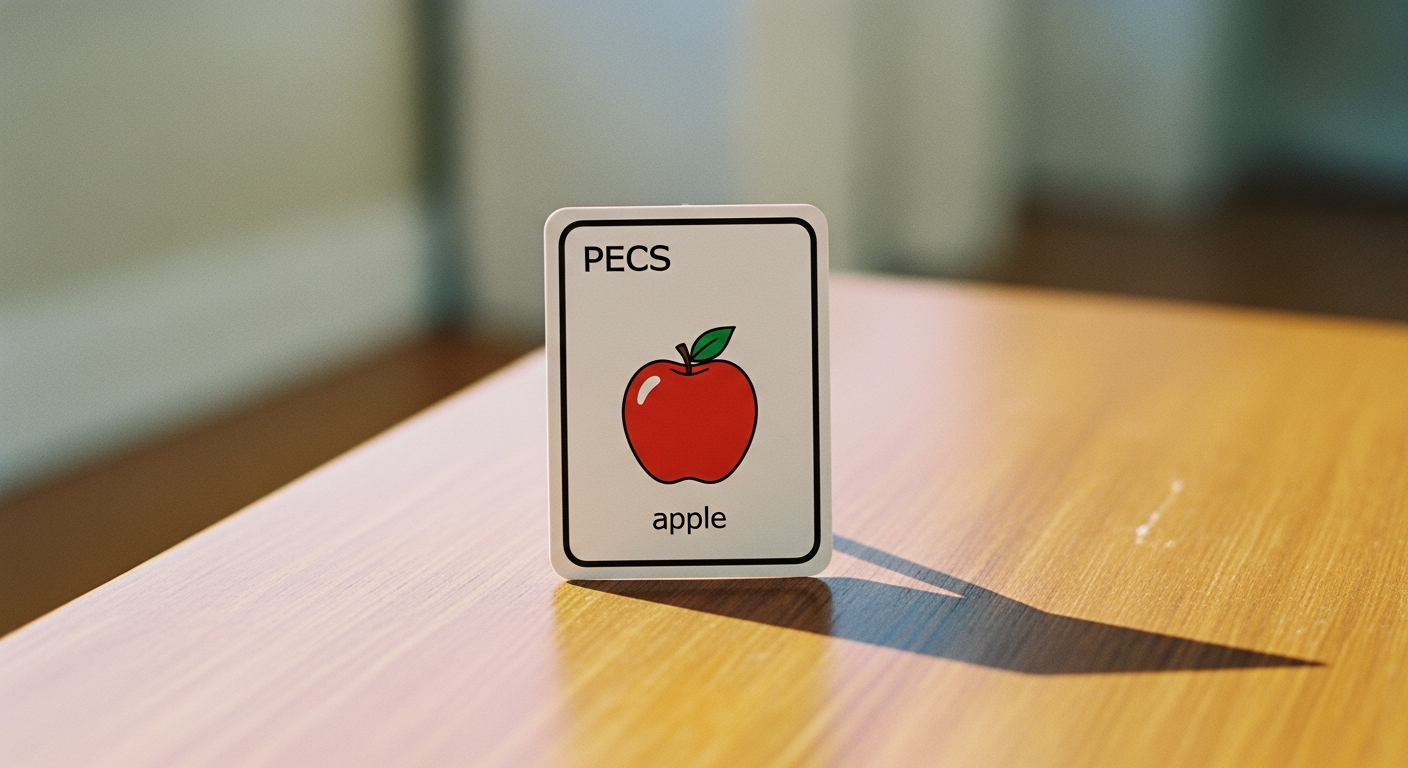
Understanding communication differences
Research suggests many autistic children develop limited verbal communication, though estimates vary widely depending on how 'minimally verbal' is defined (ranging from <5 words to functional criteria) according to a 2021 analysis of methodological challenges. These individuals, who may communicate through speech, gestures, or augmentative methods, participate in just an estimated 2% of autism studies according to advocacy group ASAT, though this figure requires verification through peer-reviewed meta-analyses.
Exploring support approaches
Recent studies examine potential communication support strategies. A 2025 Nature study found autistic preschoolers showed distinct visual learning patterns that could inform visual-based supports. Meanwhile, University of Michigan researchers are developing interventions adaptable to community settings.
A 2025 Nature study found autistic preschoolers showed distinct visual learning patterns that could inform visual-based supports.
Preliminary findings from Drexel University reported in a 2026 press release suggested many non-speaking children might acquire words with early support, though these await peer review and should be interpreted cautiously.
Classification debates
The term 'profound autism' (typically combining IQ and verbal ability measures) remains controversial. While some argue it helps secure resources as discussed in Autism Spectrum News, others note it may oversimplify complex developmental trajectories. As researcher Sylvia Fogel told Undark, 'We risk creating categories that don't reflect the fluidity of development.'
Practical considerations
Families often face barriers accessing supports, including:
- Limited availability of specialists trained in multiple communication methods
- High costs of intensive interventions
- Need for caregiver training in alternative communication strategies
Emerging technologies like AI communication aids may offer future options, though their real-world implementation remains unclear.
Sources
- 01Visual statistical learning and social attention in neurotypical, minimally speaking and speaking autistic preschoolers
- 02Drexel Study Finds Early Intervention Helps Most Autistic Children ...
- 03Science Corner: Who is missing from autism research and why it ...
- 04Autistic people with intellectual disability often excluded in studies
- 05Overcoming hurdles to intervention studies with autistic children with ...
- 06Adaptive Interventions for Minimally Verbal Children With Autism ...
Common questions
Behind the brief
Adversarial editorial review
Open thread