Education & SupportResearch
New Research Explores AAC's Potential and Access Challenges for Nonspeaking Autistic Individuals
Emerging evidence suggests communication devices can enhance interaction and literacy, while racial disparities in access prompt calls for systemic change. Innovators examine peer training and experimental AI adaptations.
Understanding AAC: Emerging Evidence and Access Considerations
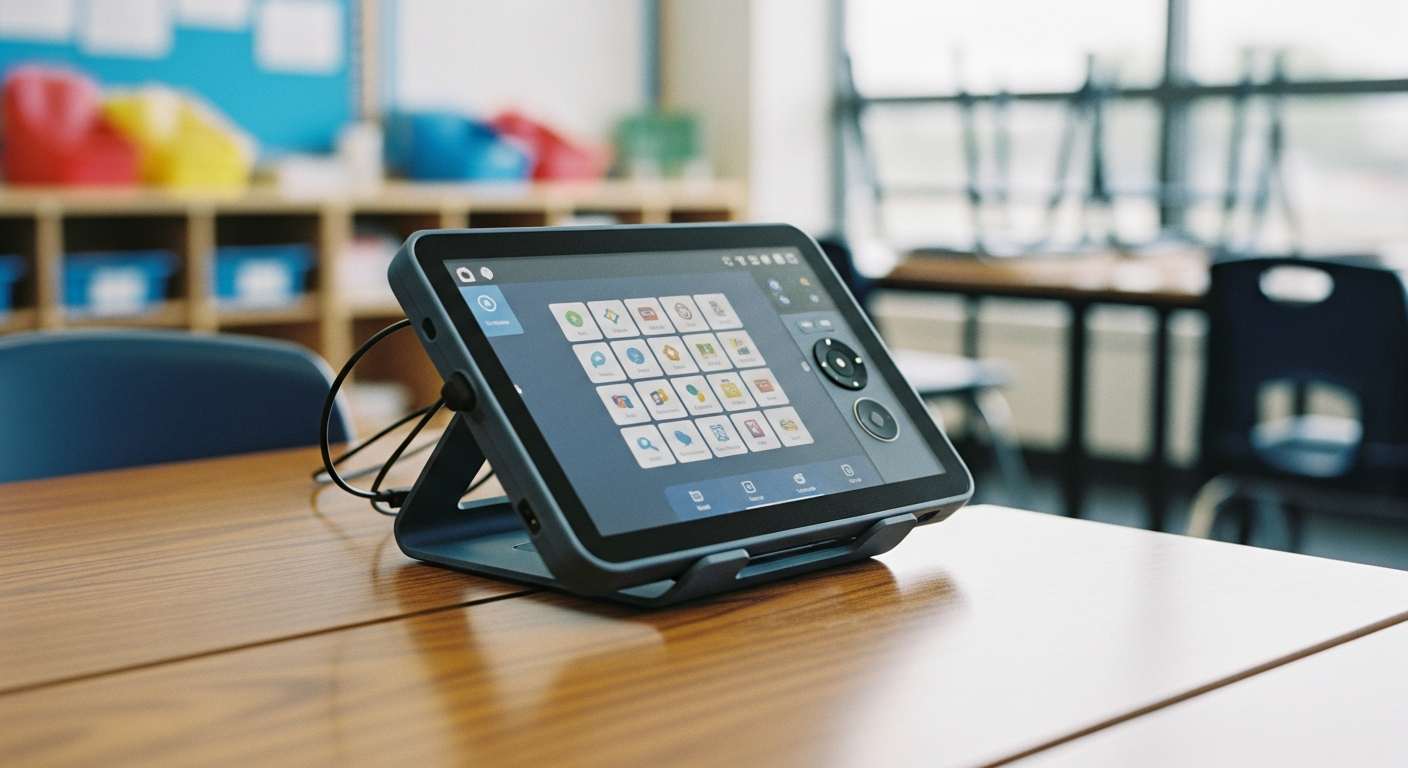
Augmentative and alternative communication (AAC) systems — including picture boards, sign language, and speech-generating tablets — provide vital communication pathways for many autistic individuals. A 2023 review in Perspectives of the ASHA Special Interest Groups notes growing evidence that AAC use doesn't hinder speech development, aligning with the Autistic Self Advocacy Network's position on communication rights. While some studies suggest potential literacy benefits, these findings require further validation through longitudinal research.
Addressing Systemic Barriers
Preliminary data from a 2025 Newswise press release (not yet peer-reviewed) indicates possible racial disparities in AAC access, though methodological details remain unavailable. Advocates cite multiple systemic factors that may limit access, including diagnostic delays in marginalized communities and insurance coverage gaps, as outlined by the Autistic Self Advocacy Network.
While some studies suggest potential literacy benefits, these findings require further validation through longitudinal research.
Creating Supportive Environments
Classroom implementation significantly impacts AAC success. Research suggests peer-mediated approaches — where classmates learn responsive communication strategies — can enhance device use, as discussed in Autism Spectrum News. These methods align with neurodiversity-affirming practices that prioritize autistic communication styles.
Emerging Directions and Considerations
Experimental AI tools are being explored to adapt to individual motor patterns, though these remain in development without peer-reviewed validation, as noted in Psychology Today. The field continues to debate communication methods, with most researchers cautioning against non-evidence-based approaches like facilitated communication due to concerns about autonomy and authorship, while centering the right to communication access.
Sources
- 01Research on Language Use in Non-Verbal Autistic People
- 02Full article: The influence of classroom context on AAC device use ...
- 03Study Reveals Wide Gap in Awareness of AAC Devices for Children ...
- 04Rethinking literacy instruction for nonspeaking autistic learners: a perspective on evidence, exclusion, and the right to read
- 05Bridging the gap: fostering interactive stimming between non-speaking autistic children and their parents
- 06“Everyone Deserves AAC”: Preliminary Study of the Experiences of ...
Common questions
Behind the brief
Adversarial editorial review
Open thread