Genetics & BiologyResearch
New Genetic Discoveries Illuminate Autism's Biological Diversity
Advanced sequencing technologies reveal novel gene variants and biologically distinct subtypes, advancing understanding of autism's complex inheritance patterns.
The Genetic Landscape of Autism Research
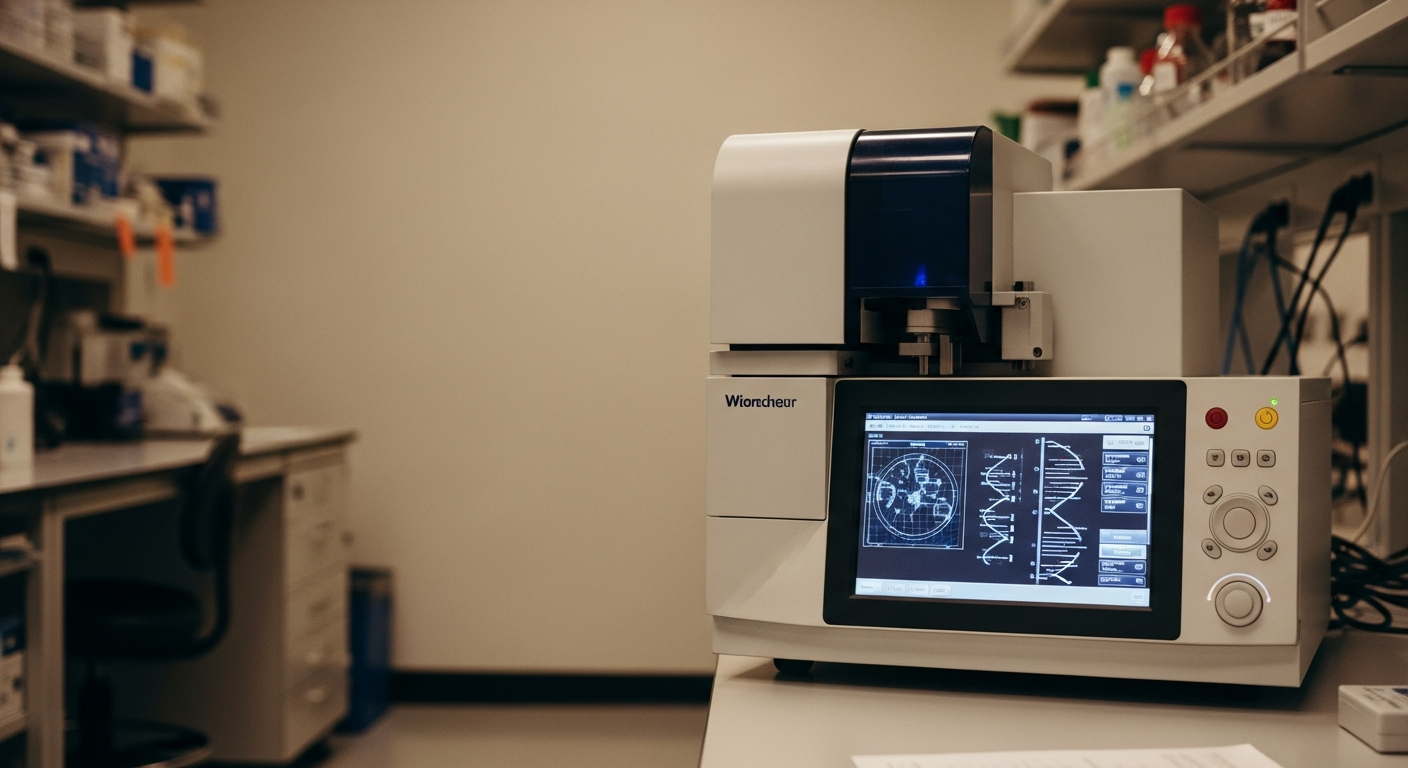
Cutting-edge genome sequencing technologies are transforming our understanding of autism's genetic architecture. A 2026 study from UC San Diego using long-read sequencing identified novel structural variants and gene mutations that contribute to what scientists call autism's 'missing heritability' - the gap between known genetic influences and the condition's strong hereditary component that remains unexplained by current research.
Beyond Single Genes: Pathways and Subtypes
Researchers are discovering that autism's genetic story is more complex than individual gene mutations. A 2025 Princeton University study identified biologically distinct autism subtypes, each with unique genetic signatures and pathways involving synaptic function, chromatin remodeling, and Wnt signaling. This finding suggests that autism may represent multiple conditions with similar behavioral manifestations but different biological roots.
The DDX53 protein helps regulate RNA processing during brain development, suggesting another molecular pathway that may influence neurodevelopment.
Developmental Timing Matters
A 2025 Nature study revealed that genetic risk profiles differ by age at diagnosis, with distinct patterns emerging in early-diagnosed versus later-diagnosed individuals. Those diagnosed earlier showed more rare, disruptive mutations affecting neurodevelopment, while later diagnoses involved more polygenic risk factors. This suggests that developmental-stage-specific gene expression patterns may play a crucial role in autism's presentation.
The Brain Connection
Perhaps most intriguingly, a 2026 Yale study proposed that how genes interact with brain development pathways like axon guidance and cortical layering may be as important as the specific gene mutations themselves. This systems-level understanding could explain why hundreds of different genetic variants can all lead to similar autism-related traits through convergent effects on neural circuits.
New Genetic Players
Earlier work in 2024 published in Science identified DDX53 gene variants as newly associated with autism spectrum traits, adding to the growing list of genetic contributors. The DDX53 protein helps regulate RNA processing during brain development, suggesting another molecular pathway that may influence neurodevelopment. These findings collectively demonstrate that autism's genetic basis involves both rare, impactful mutations and common variants working in combination through diverse biological mechanisms.
Sources
- 01Long-Read Genome Sequencing Uncovers New Autism Gene Variants
- 02Polygenic and developmental profiles of autism differ by age at diagnosis
- 03Major autism study uncovers biologically distinct subtypes, paving the way for precision diagnosis and care
- 04Many genes have been linked to autism – but a new study suggests it may be their path to the brain that matters
- 05Discovering the gene-brain-behavior link in autism via generative machine learning
Common questions
Behind the brief
Adversarial editorial review
Open thread