Brain & NeuroscienceResearch
New Family Studies Reassess the Gut Microbiome's Role in Autism
Emerging research suggests dietary habits and shared environments may explain gut differences more than autism itself, prompting a reevaluation of earlier hypotheses.
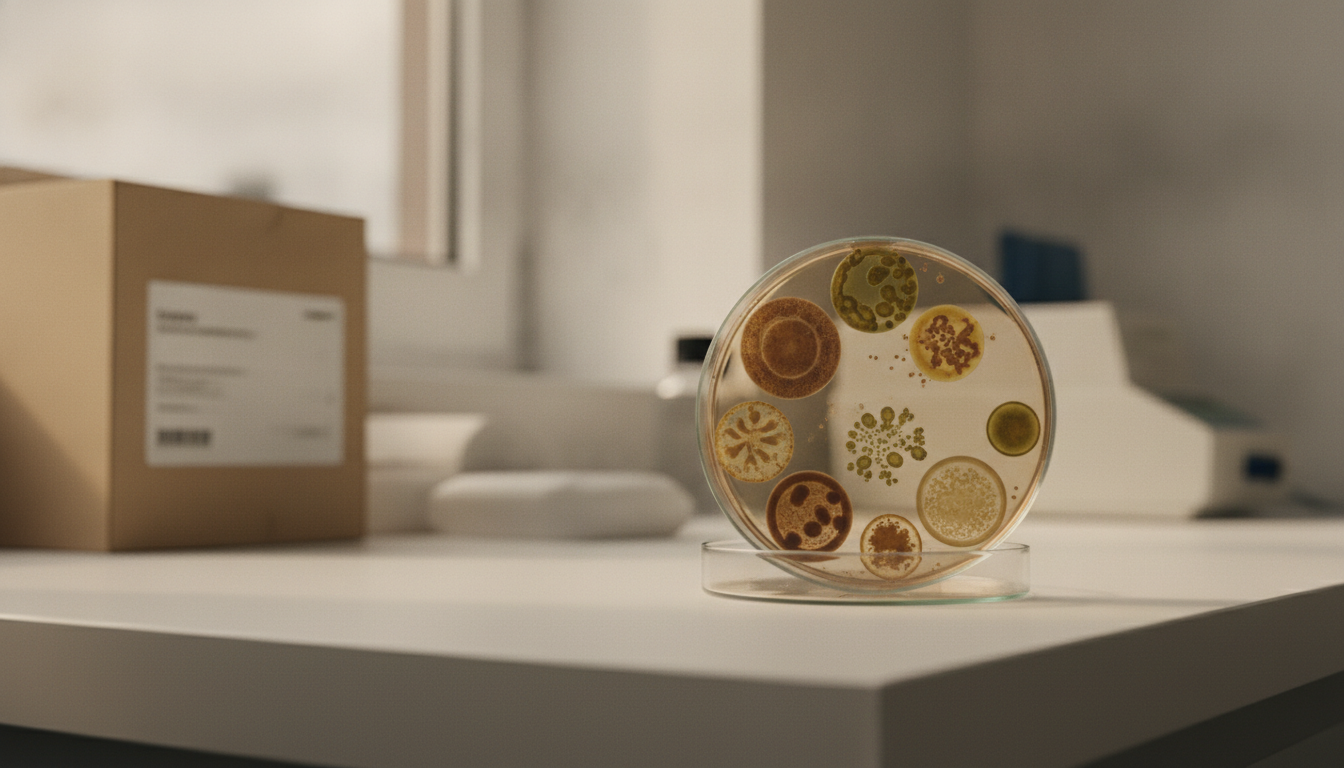
For years, scientists have explored whether differences in gut bacteria might play a role in autism. But a wave of new family-based studies is prompting a reevaluation of this hypothesis, suggesting that shared environments and dietary habits—not autism itself—may drive most observed gut microbiome variations.
Siblings Show Similar Gut Profiles
A December 2025 study in Nature analyzed gut microbiota in autistic children and their neurotypical siblings (individuals without autism), finding strikingly similar microbial compositions. This suggests that household environment, diet, or genetics—rather than autism—may shape gut bacteria. Another Translational Psychiatry study echoed these results, noting that microbiome disparities between autistic and non-autistic siblings were negligible after accounting for shared living conditions.
A Nature study published in late 2025 found that dietary patterns, not autism diagnosis, best predicted gut bacterial profiles.
Diet Emerges as a Key Factor
Selective eating—common among autistic individuals—appears to strongly influence gut microbiome composition. A Nature study published in late 2025 found that dietary patterns, not autism diagnosis, best predicted gut bacterial profiles. For example, children who ate fewer fibrous foods had less diverse microbiomes, regardless of neurotype. However, changing diets can be challenging for autistic individuals with sensory sensitivities or strong food preferences, and families should seek support from dietitians experienced in neurodiversity.
Methodological Concerns and Skepticism
The field faces growing scrutiny. A 2024 meta-analysis in Scientific Reports highlighted inconsistent methodologies across studies, with issues like small sample sizes, varying sequencing techniques, and lack of control for antibiotic use often overshadowing any autism-related signals. Critics, like those cited in a Science article, argue that observed microbiome differences are statistically weak and confounded by factors like sample handling or participant recruitment biases.
The Gut-Brain Axis Debate
Some researchers still propose that gut dysbiosis (an imbalance in gut bacteria) could influence neurodevelopment via the gut-brain axis, pointing to reduced levels of neuroactive metabolites—chemicals produced by gut bacteria that may affect brain function. However, directionality remains unclear: are gut changes influencing autism traits, or are they a consequence of dietary or sensory preferences? For now, the consensus is that gastrointestinal symptoms in autism are real—but their origins are likely multifaceted, not solely microbial. Autistic self-advocates emphasize that research should focus on improving quality of life rather than seeking causal explanations for autism itself.
Sources
- 01Gut microbiota analysis in children with autism spectrum disorder and their family members
- 02Distinct diet-microbiome associations in autism spectrum disorder
- 03Identifying gut microbiota composition disparities in autistic individuals and their unaffected siblings: correlations with clinical characteristics | Translational Psychiatry
- 04Research linking gut microbes to autism is deeply flawed, critics say
- 05A robust microbiome signature for autism spectrum disorder across ...
Common questions
Behind the brief
Adversarial editorial review
Open thread