Therapies & TreatmentResearch
Melatonin shows promise for sleep onset in autistic children, but long-term use requires caution
Research supports melatonin's benefits for helping autistic children fall asleep, though questions remain about regulation, dosing consistency, and developmental impacts when used long-term.
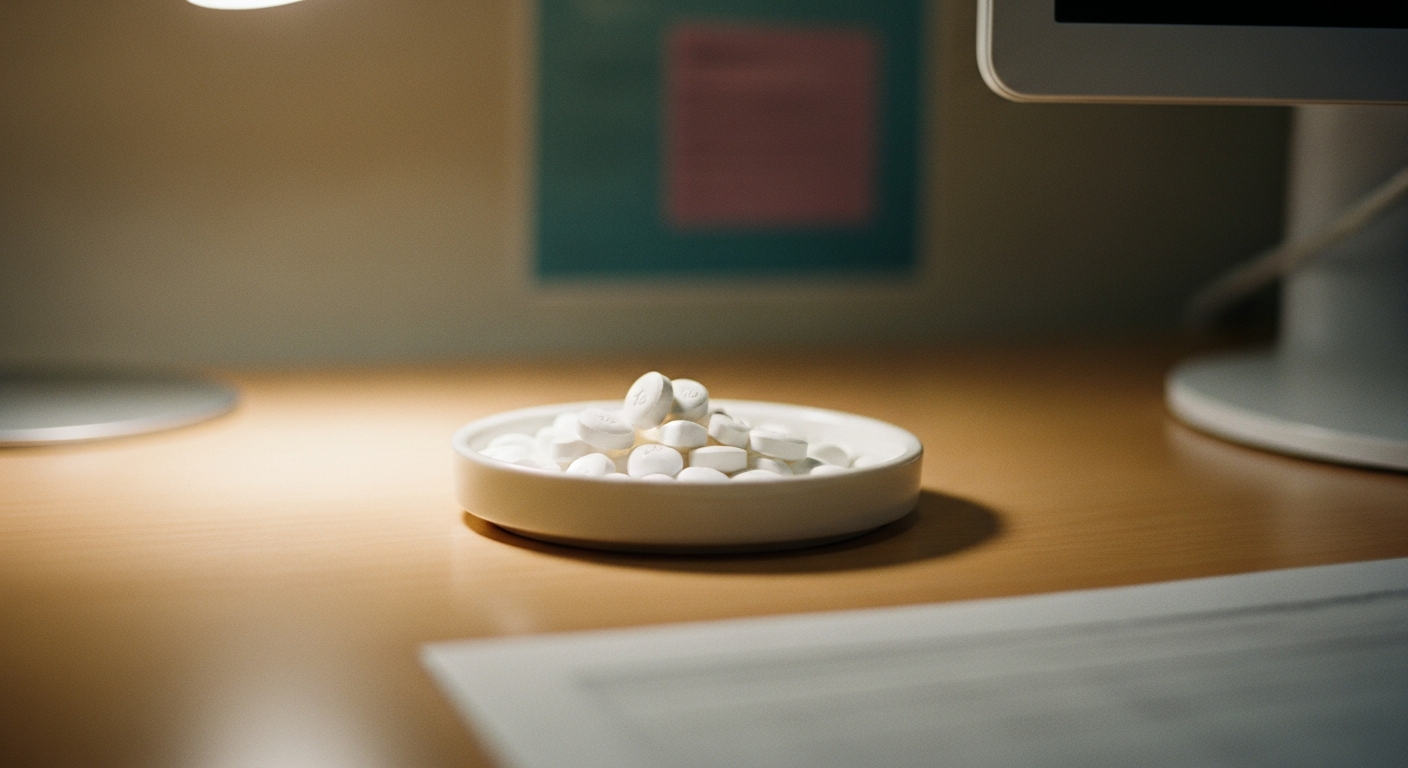
Sleep differences among autistic children
Many autistic children experience variations in sleep patterns, including delayed sleep onset and frequent night awakenings, often linked to sensory processing differences or co-occurring conditions rather than autism itself (The Transmitter, 2023). These sleep differences can create barriers to daytime functioning and family routines. While sensory-aware behavioral supports are often suggested first, some families explore melatonin supplements. A 2023 study in 2 Minute Medicine found melatonin improved sleep initiation for some autistic children, with 25-60% showing measurable changes.
Current evidence on melatonin
Multiple studies indicate melatonin may help autistic children fall asleep faster. A 2025 systematic review in The Lancet00211-1/abstract) involving 1,200 participants found melatonin reduced sleep onset latency by approximately 28 minutes on average. However, evidence for its impact on maintaining sleep throughout the night remains inconclusive. Short-term side effects appear mild, with occasional reports of drowsiness or headaches (PMC, 2024).
A 2023 study in 2 Minute Medicine found melatonin improved sleep initiation for some autistic children, with 25-60% showing measurable changes.
Considerations for use
Melatonin use among young children has increased despite limited long-term safety data, particularly regarding its effects on development (Science Media Centre España, 2026). In the U.S., its classification as a dietary supplement rather than a medication means products may vary in potency and purity. Psychiatry Online (2025) found some supplements contained significantly more melatonin than labeled, raising concerns about unregulated dosing.
Integrated approaches
Experts recommend combining melatonin with individualized behavioral supports that account for sensory needs and communication differences (Autism Speaks, 2023). When considering melatonin, the Child Mind Institute (2025) advises starting with low doses (0.5-3 mg) under medical supervision. While some families report positive experiences (Springer, 2023), autistic self-advocates emphasize the importance of addressing environmental factors before medication (Nature, 2025).
Sources
- 01Melatonin use in young children is growing despite a lack of knowledge about its efficacy and long-term effects
- 02Millions of kids take melatonin but doctors are raising red flags
- 03Unregulated and Overused: The Melatonin Debate Continues
- 04Melatonin improves sleep onset in children with autism spectrum disorder
- 05Efficacy of Melatonin for Insomnia in Children with Autism Spectrum ...
- 06Sleep and Autism: Current Research, Clinical Assessment ... - PMC
- 07Adherence to treatment and parents' perspective about effectiveness ...
- 08The sleep–circadian connection: pathways to understanding and supporting autistic children and adolescents and those with attention-deficit hyperactivity disorder
Common questions
Behind the brief
Adversarial editorial review
Open thread