Policy & FundingResearch
How VR Training and Workplace Adaptations Are Opening Doors for Autistic Employees
Emerging programs combine virtual reality preparation with evidence-based accommodations to tap into neurodivergent strengths—and benefit entire teams.
For many autistic adults, traditional hiring processes and workplace environments create unnecessary barriers to employment—despite often exceptional skills in areas like pattern recognition, attention to detail, and technical problem-solving. Now, a wave of evidence-based programs is demonstrating how tailored interventions can bridge this gap, benefiting both employees and employers.
Virtual Reality as a Training Tool
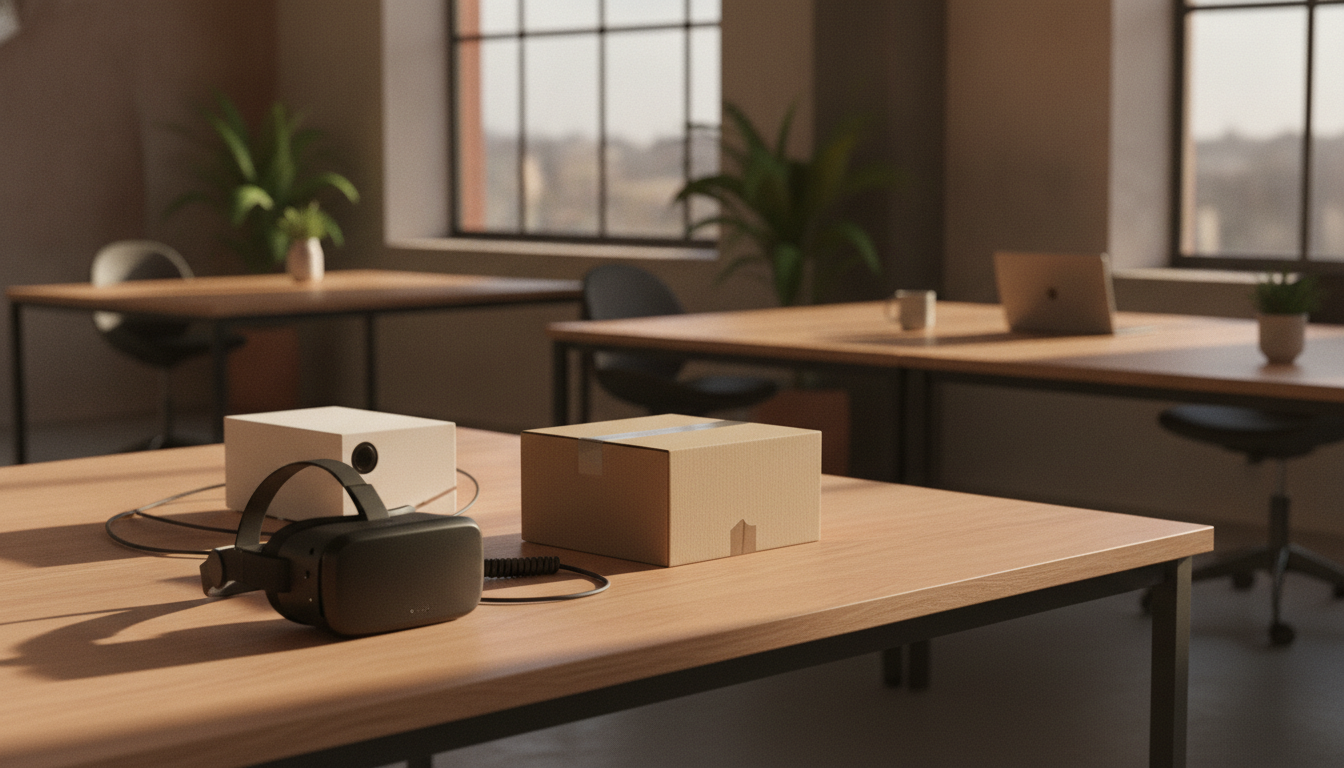
At the University of Florida, the PATHS program uses virtual reality (VR) to train autistic adults for careers in semiconductor manufacturing. The immersive simulations prepare participants for specific tasks and social interactions they’ll encounter on the job, building confidence and competence before they ever step onto the factory floor. A 2025 study in Frontiers found that VR-based training significantly improved workplace readiness for autistic individuals across multiple industries, with particular success in STEM fields.
Employers like the Simons Foundation, which has prioritized neurodiversity inclusion, report 90% retention rates for autistic hires—far above industry averages.
The Power of Accommodations
Thoughtful, structured accommodations—like clear written instructions, noise-canceling headphones, or flexible lighting—can make a dramatic difference. A 2025 systematic review in Cureus linked these adjustments to higher job retention and performance among autistic employees. Employers like the Simons Foundation, which has prioritized neurodiversity inclusion, report 90% retention rates for autistic hires—far above industry averages.
Strengths in Focus
Autistic employees often excel in roles requiring precision, consistency, or deep focus. A 2025 meta-synthesis in Oxford Academic highlighted how workplaces that recognize these strengths—rather than framing autism solely through a deficit lens—see measurable gains in productivity and innovation. Teams with neurodivergent members frequently report improved problem-solving and creative thinking.
Challenges Ahead
While these programs show promise, scaling them remains a hurdle. Many rely on specialized resources or employer buy-in that isn’t yet widespread. Still, the data suggests that investing in autistic talent isn’t just socially responsible—it’s good business.
Sources
- 01Breaking barriers, building careers: UF is training autistic adults for semiconductor careers
- 02How Building an Inclusive Workplace for Autistic Employees Benefits Everyone
- 03Using virtual reality to support autistic employees: a perspective on creating inclusive neurodiverse work environments
- 04Autistic-inclusive employment: A qualitative interpretive meta-synthesis
- 05Workplace Accommodations and Employment Outcomes Among ...
Behind the brief
Adversarial editorial review
Open thread