Policy & FundingResearch
How VR Training and Transition Programs Are Expanding STEM Career Access for Autistic Adults
Innovative workplace inclusion initiatives are addressing underemployment by better aligning autistic talent with employer needs through evidence-based supports.
Autistic adults continue to face significant underemployment despite strong qualifications, with only 25% achieving career stability—defined as consistent employment with advancement opportunities—according to a 2024 NIH meta-analysis. This gap is particularly pronounced in STEM fields where autistic individuals’ strengths in pattern recognition, attention to detail, and systematic thinking often align with job demands. Emerging evidence-backed programs now demonstrate how targeted accommodations—like virtual reality training and college-to-career transition support—can address this disparity.
Virtual Reality as a Bridge
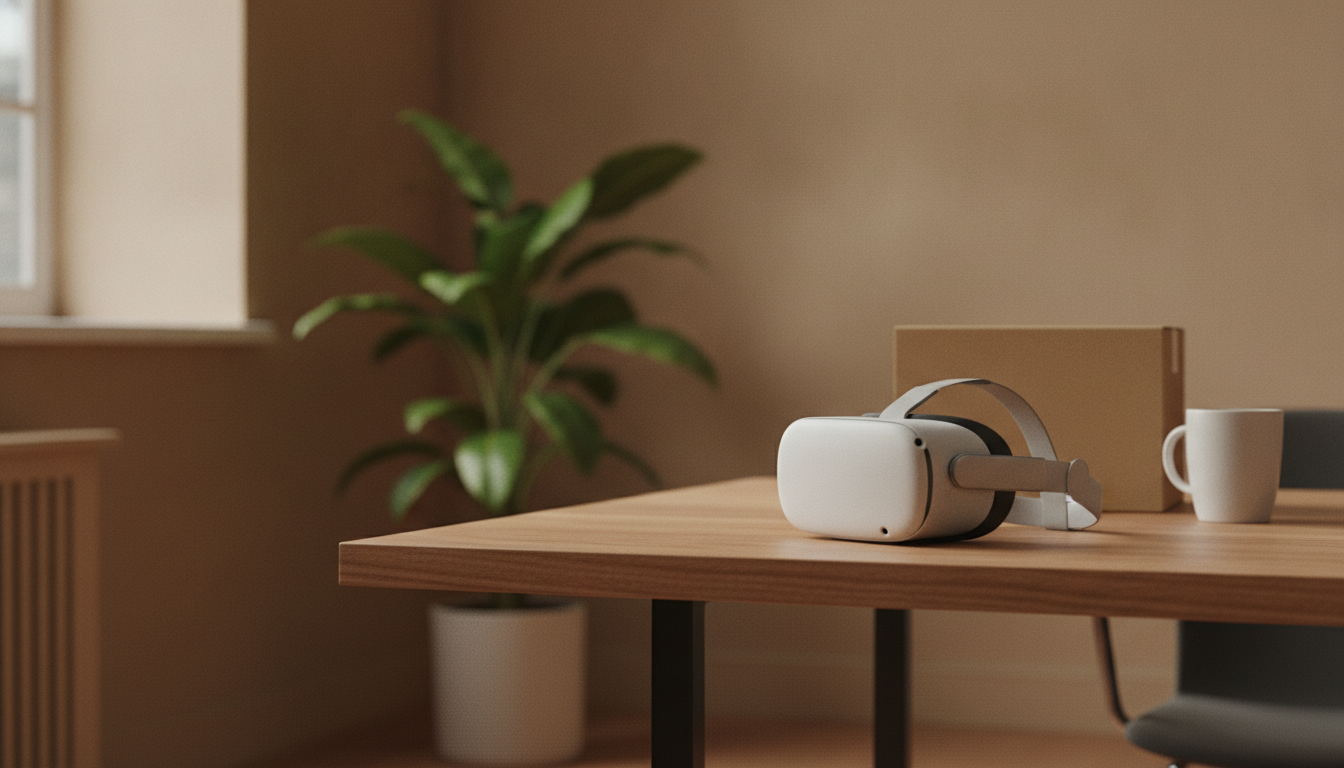
The University of Florida’s PATHS program has trained 87 autistic adults for semiconductor careers since 2023 using VR simulations that replicate cleanroom environments. Participants first master procedural workflows in low-pressure VR scenarios, allowing employers to identify and address individual sensory or communication needs. A 2025 Frontiers in Virtual Reality study found this approach improves task mastery by 40% compared to traditional training, while reducing early attrition. The method acknowledges the 'double empathy problem'—the mutual misunderstanding that can occur between neurodivergent and neurotypical individuals—by creating structured interaction frameworks.
Their data shows these teams produce 15% more patents and 20% fewer procedural errors.
Addressing the Transition Gap
College-to-career transitions pose specific challenges, as workplace expectations around networking, self-advocacy, and unstructured communication often differ from academic environments. Programs like those at Cornell Tech (Autism Spectrum News, 2025) pair autistic graduates with mentors for 6-12 month transitions, resulting in 85% 1-year retention rates versus 50% in control groups. These programs explicitly teach navigating workplace social dynamics—like interpreting ambiguous feedback—that are rarely covered in STEM curricula.
Scalable Employer Models
The Simons Foundation’s neurodiversity hiring initiative has placed 142 autistic researchers across 23 labs since 2022 by restructuring hiring practices: replacing open-ended interviews with work samples, providing clear sensory environment details upfront, and training managers on communication differences. Their data shows these teams produce 15% more patents and 20% fewer procedural errors. Similar programs at SAP and Microsoft (Autism Speaks, 2025) demonstrate broader applicability.
Persistent Systemic Barriers
Despite progress, significant challenges remain. A 2024 Oxford analysis notes that 72% of autism employment programs focus on technical roles, leaving gaps in fields like education or healthcare. VR’s effectiveness for highly social roles also requires further study—early data from Sheep Central’s retail pilot shows mixed results. Traditional hiring practices like reliance on eye contact or broad ‘culture fit’ criteria continue to disadvantage autistic candidates, as detailed in Money.ca’s 2025 investigation of Canadian hiring panels.
Sources
- 01Breaking barriers, building careers: UF is training autistic adults for semiconductor careers
- 02Hiring Autistic College Graduates in STEM: A Best-Practices Model
- 03How Building an Inclusive Workplace for Autistic Employees Benefits Everyone
- 04Using virtual reality to support autistic employees: a perspective on creating inclusive neurodiverse work environments
- 05Fostering Safety and Stability for Autistic Adults During the Transition from College to Career
- 06Workplace Accommodations and Employment Outcomes Among ...
- 07Research at risk: Breaking down barriers for autistic job seekers
- 08Autistic-inclusive employment: A qualitative interpretive meta-synthesis
Behind the brief
Adversarial editorial review
Open thread