Policy & FundingResearch
How VR Training and Tailored Supports Are Opening STEM Careers to Autistic Adults
New programs address workplace barriers through evidence-based accommodations and immersive tech, with promising results for employment retention and innovation.
The Promise of Immersive Training
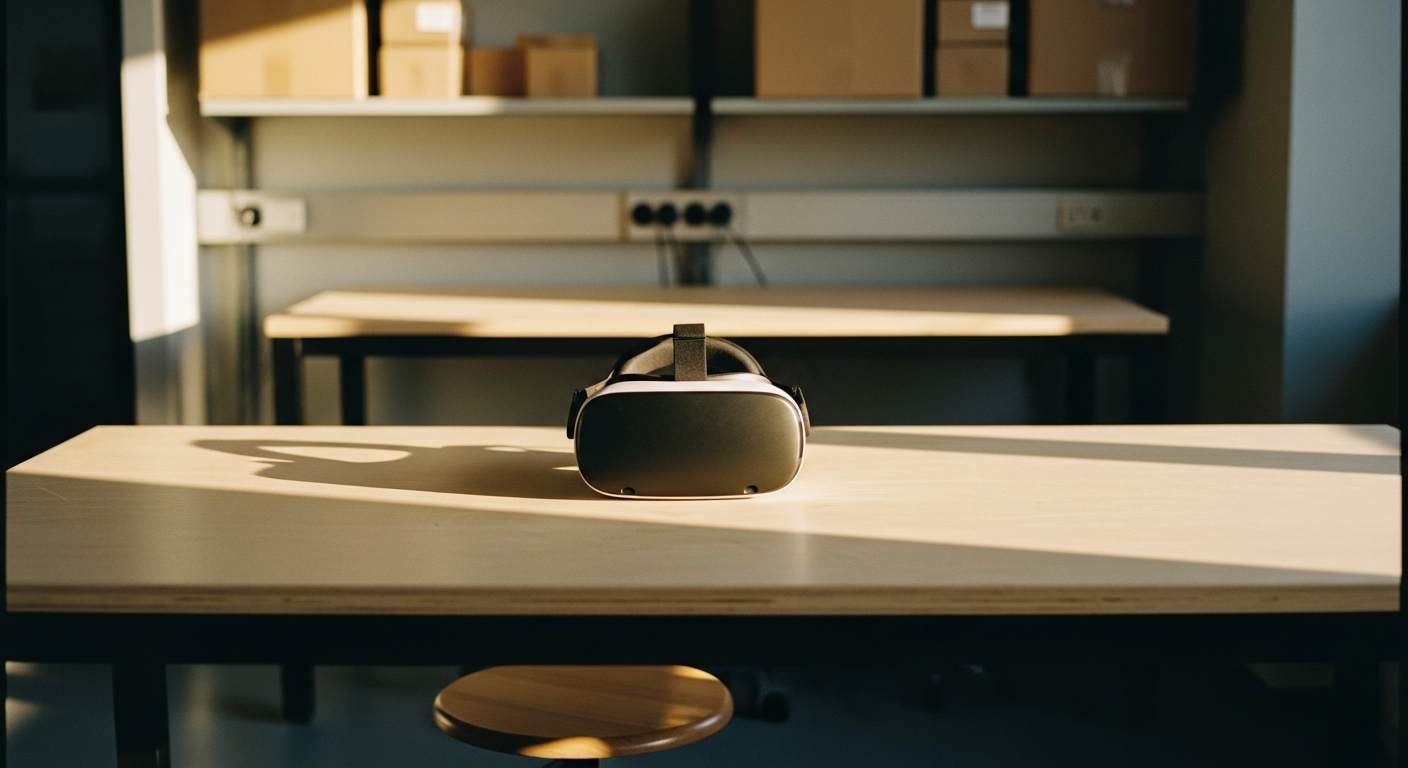
At the University of Florida, a program called PATHS is exploring how virtual reality might help train autistic adults for careers in semiconductor manufacturing. The initiative combines VR simulations of cleanroom environments with social scenario practice. While quantitative outcomes aren't yet available, participants report valuing the controlled learning environment.
This approach aligns with broader research on VR applications for workplace training. 'Many autistic individuals find VR's predictable parameters helpful for practicing social interactions,' explains Nidhi Mishra, a co-author of the Frontiers perspective piece.
Sensory adjustments: Options like noise-reduction zones and flexible workspaces 2.
Workplace Accommodations That Show Promise
A study in Autism Research examined employment patterns among autistic professionals and identified several accommodations that participants found helpful: 1. Sensory adjustments: Options like noise-reduction zones and flexible workspaces 2. Clear communication: Visual task instructions and scheduled check-ins 3. Peer support: Colleagues who help navigate workplace norms
The Simons Foundation's research emphasizes that autistic involvement in designing accommodations leads to more effective solutions. 'Programs work best when autistic voices shape them from the start,' notes an autistic participant in their study.
The College-to-Career Transition
Transition programs addressing the shift from education to employment show potential, according to Autism Spectrum News. These initiatives often include:
- Internships with trained supervisors
- Workshops on disclosure decisions
- Peer support networks
Autistic self-advocate Jamie Knight cautions that 'disclosure remains a complex personal decision with real risks—there's no one-size-fits-all approach.'
Varied Outcomes for Employers
Some tech and engineering firms report benefits from neurodiversity initiatives, though data remains limited. Sheep Central documented one Australian program where both autistic employees and managers reported positive experiences. However, Autistic Self Advocacy Network emphasizes that true inclusion requires ongoing commitment beyond initial hiring phases.
'We're seeing growing recognition that neurodiversity can bring cognitive diversity to problem-solving,' says Dr. Gregg Vanderheiden of the UF program. 'But sustainable change requires addressing systemic barriers in workplace culture.'
Sources
- 01Using virtual reality to support autistic employees: a perspective on creating inclusive neurodiverse work environments
- 02Breaking barriers, building careers: UF is training autistic adults for semiconductor careers
- 03Workplace Accommodations and Employment Outcomes Among ...
- 04[PDF] AUTISTIC EMPLOYEES: WORKPLACE BARRIERS AND ...
- 05Research at risk: Breaking down barriers for autistic job seekers
Behind the brief
Adversarial editorial review
Open thread