Policy & FundingResearch
How VR training and tailored accommodations are unlocking potential for autistic workers
Neurodiversity-informed hiring initiatives combine virtual reality with workplace adaptations to harness autistic professionals' strengths in tech sectors
While many autistic adults possess skills well-suited for technical careers, employment participation rates remain lower than neurotypical peers, with estimates suggesting around 40% unemployment. Emerging neurodiversity-focused hiring initiatives are developing innovative solutions to this participation gap—with virtual reality training and customized workplace supports showing particular promise.
Immersive preparation through VR
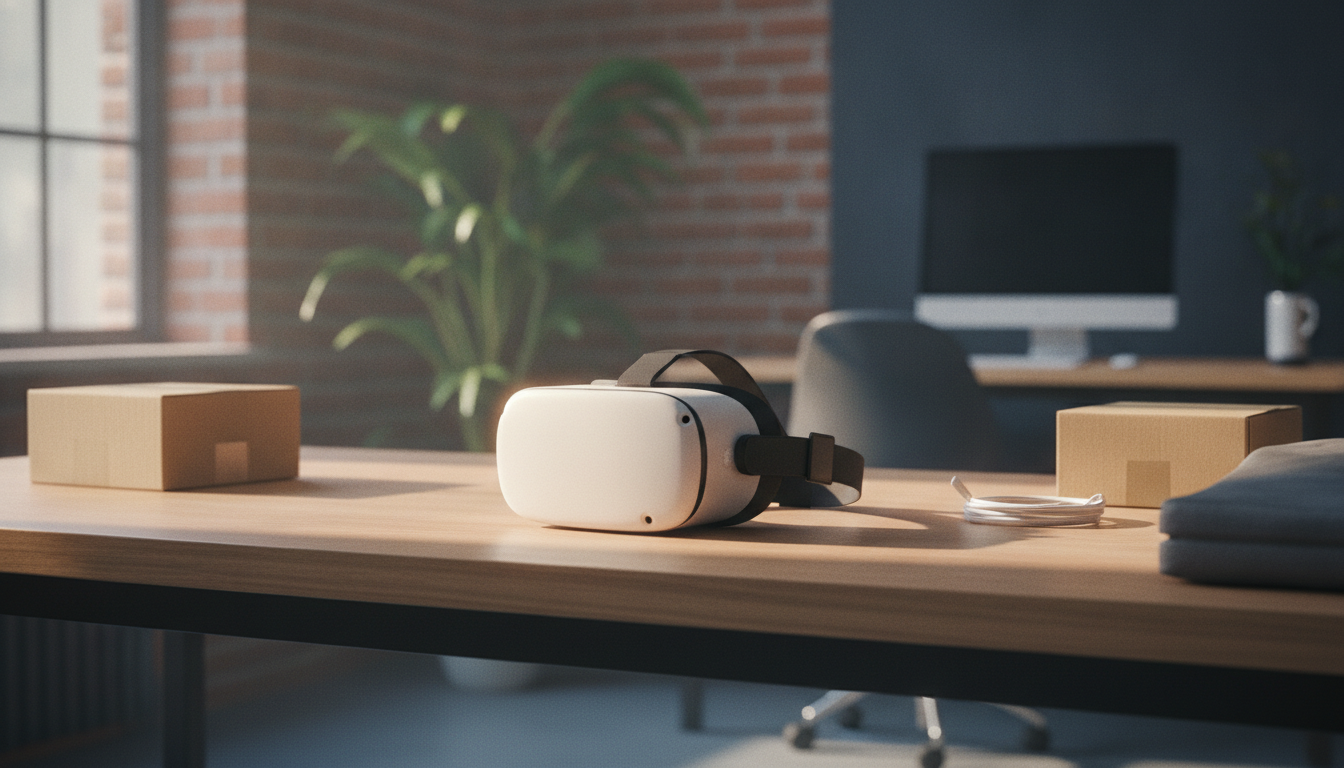
The University of Florida's PATHS program prepares autistic job seekers for semiconductor careers using VR simulations that replicate cleanroom environments. This allows participants to familiarize themselves with equipment and workplace interactions in a low-pressure setting—an approach that respects different learning and processing styles compared to conventional training methods.
Elena Torres calls 'bridging neurocognitive styles' rather than framing this as a deficit in either party.
Similar VR programs, as explored in a Frontiers in Virtual Reality study, create adaptable environments to practice both technical tasks and workplace social dynamics. Some researchers describe this as addressing communication style differences—what Dr. Elena Torres calls 'bridging neurocognitive styles' rather than framing this as a deficit in either party.
Effective workplace adaptations
A 2025 systematic review of 22 studies identified workplace supports that improve employment experiences:
- Providing written task instructions alongside verbal explanations
- Offering noise-reduction options like quiet workspaces
- Scheduling structured feedback sessions
- Allowing flexible communication methods (e.g., email preferred over impromptu meetings)
For example, at Bettaway Logistics' training program, such adaptations helped participants thrive in inventory management roles requiring strong attention to detail—a cognitive style many autistic individuals report as a strength.
Building inclusive systems
While programs like UF's semiconductor training show promise, sustainability remains a challenge, as seen when Cornell University paused a similar initiative due to funding constraints. Disability employment specialist Lauren Kim notes: 'The next step is moving beyond pilot programs to create systemic change where neurodiversity inclusion becomes standard practice.'
For families seeking similar opportunities, many vocational rehabilitation programs now offer neurodiversity-specific services. The Autism @ Work initiative provides a framework for employers, while local disability services can connect individuals with training programs in their region.
Sources
- 01Breaking barriers, building careers: UF is training autistic adults for semiconductor careers
- 02Workplace Accommodations and Employment Outcomes Among Employees With Autism: A Systematic Review
- 03Using virtual reality to support autistic employees: a perspective on creating inclusive neurodiverse work environments
- 04Autistic-inclusive employment: A qualitative interpretive meta ...
Behind the brief
Adversarial editorial review
Open thread