Policy & FundingResearch
How VR and Structured Programs Are Creating More Inclusive Workplaces for Autistic Adults
Innovative training programs and workplace accommodations are addressing systemic employment gaps for autistic adults, with promising early results.
Systemic Barriers in Employment for Autistic Adults
Systemic hiring biases and lack of accommodations have resulted in only about 25% of autistic adults securing competitive employment, often with lower earnings due to workplace barriers. This gap has spurred the development of programs designed to address structural challenges faced by autistic job seekers.
Virtual Reality and Immersive Training
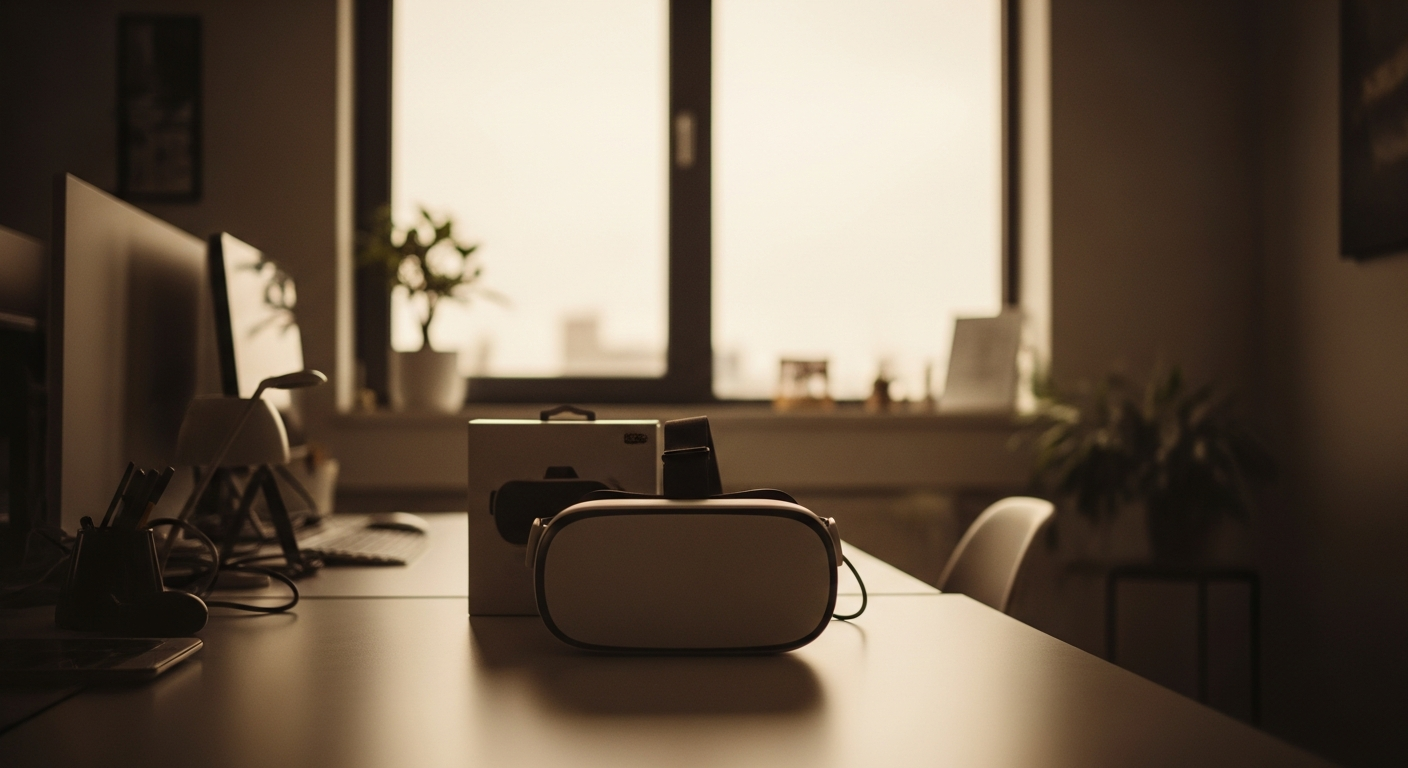
Virtual reality (VR) is being used to simulate workplace environments, helping autistic adults prepare for careers. Programs like the University of Florida's PATHS initiative and Bettaway Logistics use VR to practice social interactions, manage sensory sensitivities, and master job tasks in a controlled setting. A Frontiers perspective notes VR's role in fostering mutual understanding between neurotypical and autistic individuals—a dynamic termed the 'double empathy problem,' where both groups may struggle to interpret each other's communication styles.
While these adjustments improve outcomes, they remain underutilized, per a PMC study.
Comprehensive Workplace Support Systems
Research-backed frameworks outline 8-element support systems for workplaces, including pre-employment training, on-the-job coaching, and tailored accommodations like flexible schedules or noise reduction. While these adjustments improve outcomes, they remain underutilized, per a PMC study. Employers can adopt strategies such as clear task instructions, structured feedback, and sensory-friendly workspaces, as highlighted by Autism Spectrum News.
Challenges and Structural Limitations
While promising, these programs face scalability hurdles and a lack of independent evaluation, as noted in a Cornell University report. Critics emphasize that many initiatives still place the burden of adaptation on autistic individuals rather than reforming hiring practices. For example, rigid interview processes often disadvantage autistic candidates, as discussed by the World Economic Forum.
The Path Forward
These programs represent progress in addressing employment barriers, combining VR training with systemic support. Employers can take actionable steps, such as revising job descriptions to focus on skills over social cues, as suggested by the Simons Foundation.
Sources
- 01Workplace Accommodations and Employment Outcomes Among ...
- 02Improving Accessibility for Work Opportunities for Adults With Autism ...
- 03Breaking barriers, building careers: UF is training autistic adults for semiconductor careers
- 04Using virtual reality to support autistic employees: a perspective on creating inclusive neurodiverse work environments
- 05Research at risk: Breaking down barriers for autistic job seekers
Behind the brief
Adversarial editorial review
Open thread