Policy & FundingResearch
How VR and Customized Training Are Removing Systemic Barriers for Autistic Job Seekers
Emerging programs combine virtual reality, accommodations, and mentorship to remove systemic barriers — with preliminary data showing potential.
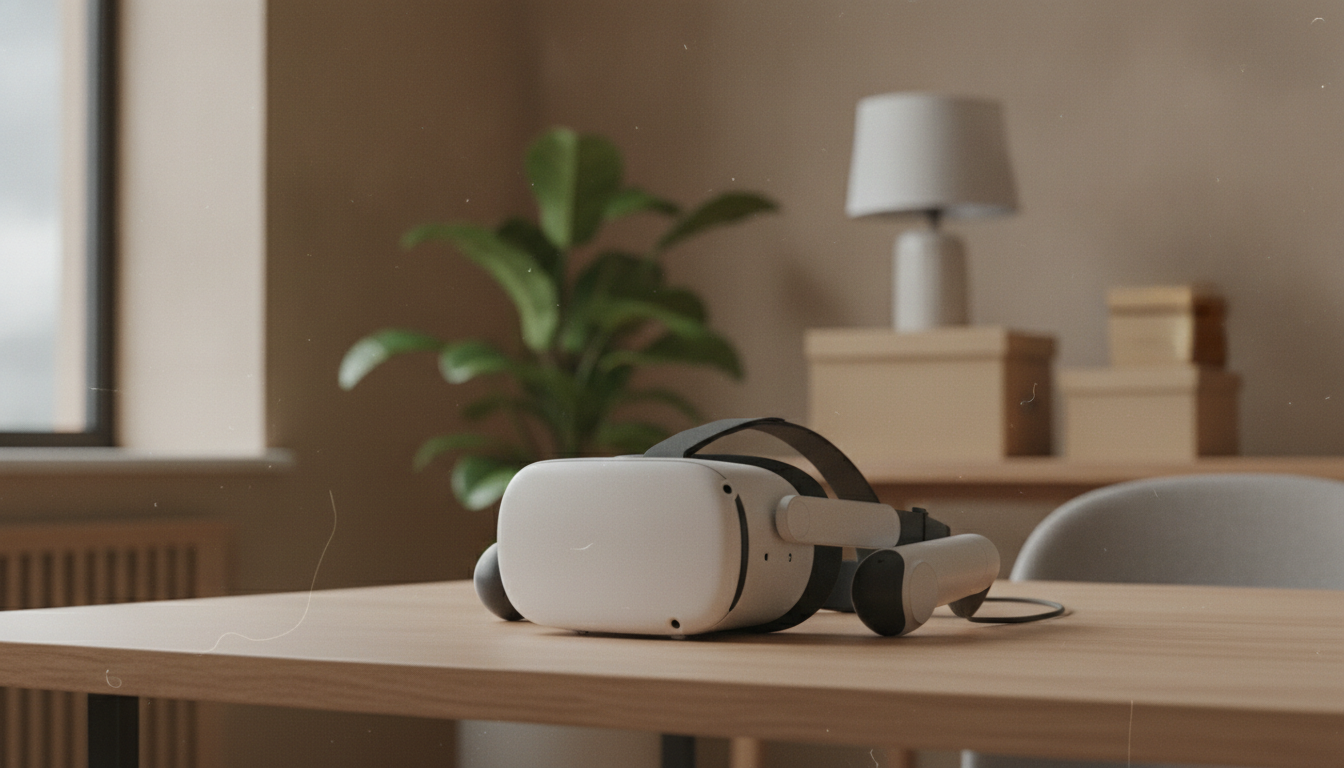
Removing Systemic Barriers with Technology
Autistic adults experience unemployment at rates 3-4 times higher than non-autistic peers, largely due to employer biases and inaccessible hiring processes. The University of Florida's PATHS program (developed with autistic advisors) uses virtual reality (VR) to simulate semiconductor industry tasks. This pilot program represents one attempt to create more accessible technical training pathways.
VR may help reduce workplace misunderstandings when used bilaterally. A 2025 Frontiers perspective piece theorized that virtual environments could help both autistic and non-autistic employees practice communication, though empirical data remains limited. As one autistic participant noted in Autism Spectrum News, 'Training goes both ways — my coworkers needed orientation too.'
The Autism @ Work study tracked 300 participants across 12 companies and found peer support reduced early turnover by 38%.
Effective Accommodations Require Co-Design
Research suggests certain workplace adjustments improve retention when chosen by autistic employees themselves. Noise-canceling headphones help those with sensory sensitivities, while written instructions benefit those who process verbal information differently. A 2024 Simons Foundation report found that accommodations designed with autistic input had 72% higher effectiveness than top-down implementations.
Mentorship programs show particular promise when pairing autistic employees with neurodivergent peers. The Autism @ Work study tracked 300 participants across 12 companies and found peer support reduced early turnover by 38%.
Implementation Challenges
While preliminary data is encouraging, most programs remain small-scale. The PATHS program currently serves 25 participants annually, and VR equipment costs ($1,500-$3,000 per setup) create accessibility barriers. Geographic limitations also persist — 80% of such programs are concentrated in coastal urban areas according to Money.ca's analysis.
Autistic self-advocates emphasize that technology alone cannot solve systemic exclusion. As one autistic software developer told Autism Spectrum News, 'No amount of VR training fixes employers who equate eye contact with competence.'
Sources
- 01Breaking barriers, building careers: UF is training autistic adults for semiconductor careers
- 02Using virtual reality to support autistic employees: a perspective on creating inclusive neurodiverse work environments
- 03Improving Accessibility for Work Opportunities for Adults With ...
- 04Workplace Accommodations and Employment Outcomes ...
- 05Autistic-inclusive employment: A qualitative interpretive meta ...
Behind the brief
Adversarial editorial review
Open thread