Diagnosis & ScreeningResearch
Eye-tracking research explores early indicators of autism in young children
Emerging studies suggest brief eye-tracking measures may help identify developmental differences in children under 3, though clinical applications remain under study.
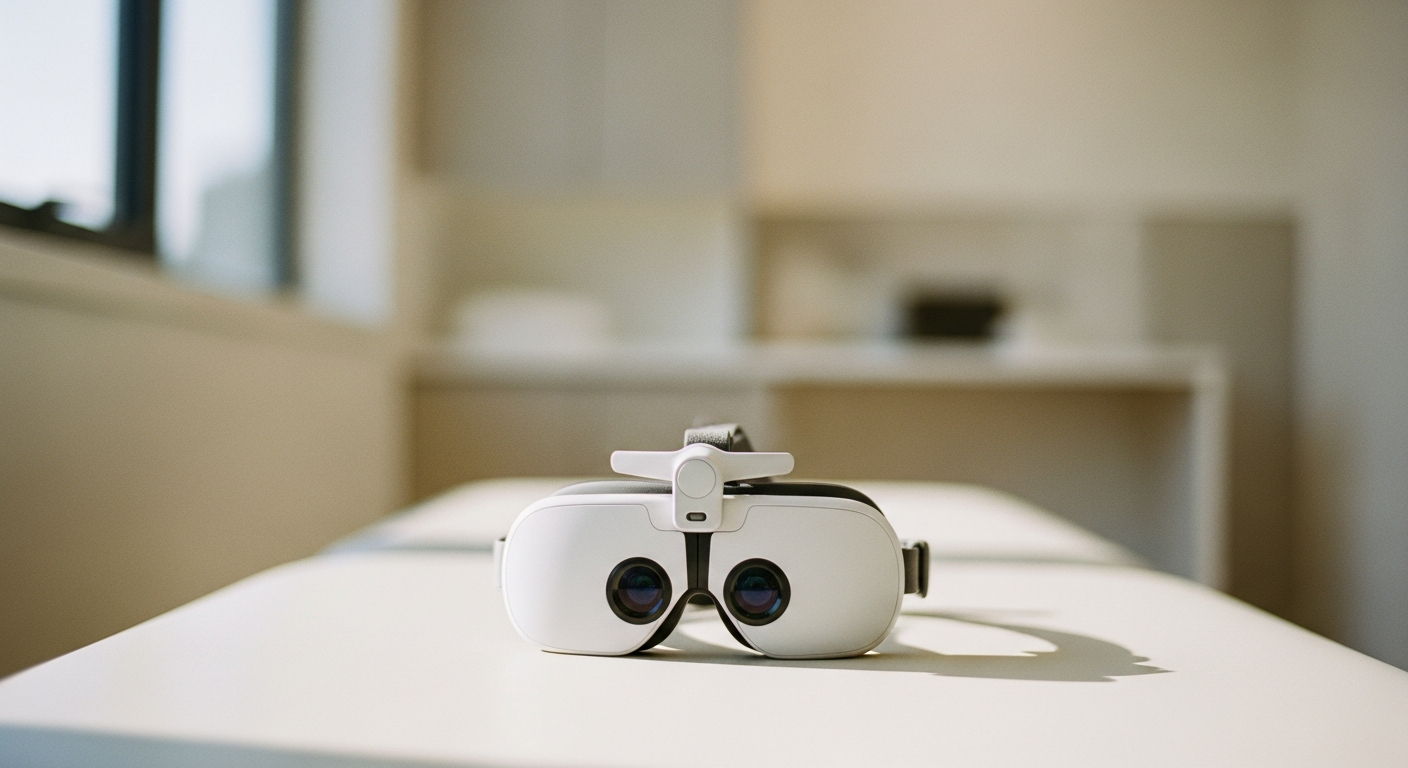
Understanding early developmental differences
Eye-tracking technology is being studied as a potential method for identifying developmental variations in young children, with recent research showing it can detect differences in visual attention as early as 12-24 months. A 2024 study in Nature tested a 2-minute protocol in children aged 12-48 months (average 28.7 months), finding it could identify some children who later received autism diagnoses. However, the study authors caution this represents preliminary research, not a diagnostic tool.
How eye-tracking measures work
The approach analyzes where and how long children look at social versus non-social stimuli. Some autistic children show different attention patterns compared to non-autistic children, though these differences vary significantly between individuals. A 2025 large-scale study published by Springer examined 585 children aged 7-48 months, noting substantial variability in methods and findings across research groups.
A 2025 large-scale study published by Springer examined 585 children aged 7-48 months, noting substantial variability in methods and findings across research groups.
Exploring earlier indicators
Some researchers are investigating whether visual processing differences emerge in the first months of life. As PsyPost reported, corporate research by EarliTec Diagnostics is testing their EarliPoint device in babies as young as 2 months - though this represents early-stage, company-sponsored research that hasn't yet undergone peer review. A 2023 systematic review suggested eye-tracking might eventually serve as one of several research measures for studying early development, though emphasized it's not yet a validated clinical tool.
Current applications and limitations
While eye-tracking contributes valuable research insights, experts clarify it cannot currently diagnose autism. The NIH MedlinePlus Magazine notes these tools remain in development, with no FDA-approved eye-tracking diagnostics available. When used in research settings, they're typically combined with other developmental assessments and clinical expertise. Some clinicians hope such tools might eventually help reduce delays in connecting families with support services, though this requires careful implementation to avoid misidentification.
Sources
- 01Feasibility of a 2-minute eye-tracking protocol to support the early identification of autism
- 02Eye Tracking Screening for ASD in Nursery: Is Early Diagnosis ...
- 03The first six months of life: A systematic review of early ...
- 04A new frontier in autism research: predicting risk in babies as young as two months
Common questions
Behind the brief
Adversarial editorial review
Open thread