Therapies & TreatmentResearch
Emerging supports show promise for autistic individuals with complex communication needs, but research gaps persist
Personalized brain stimulation and early communication supports demonstrate potential, while experts debate inclusive research approaches for this underserved population.
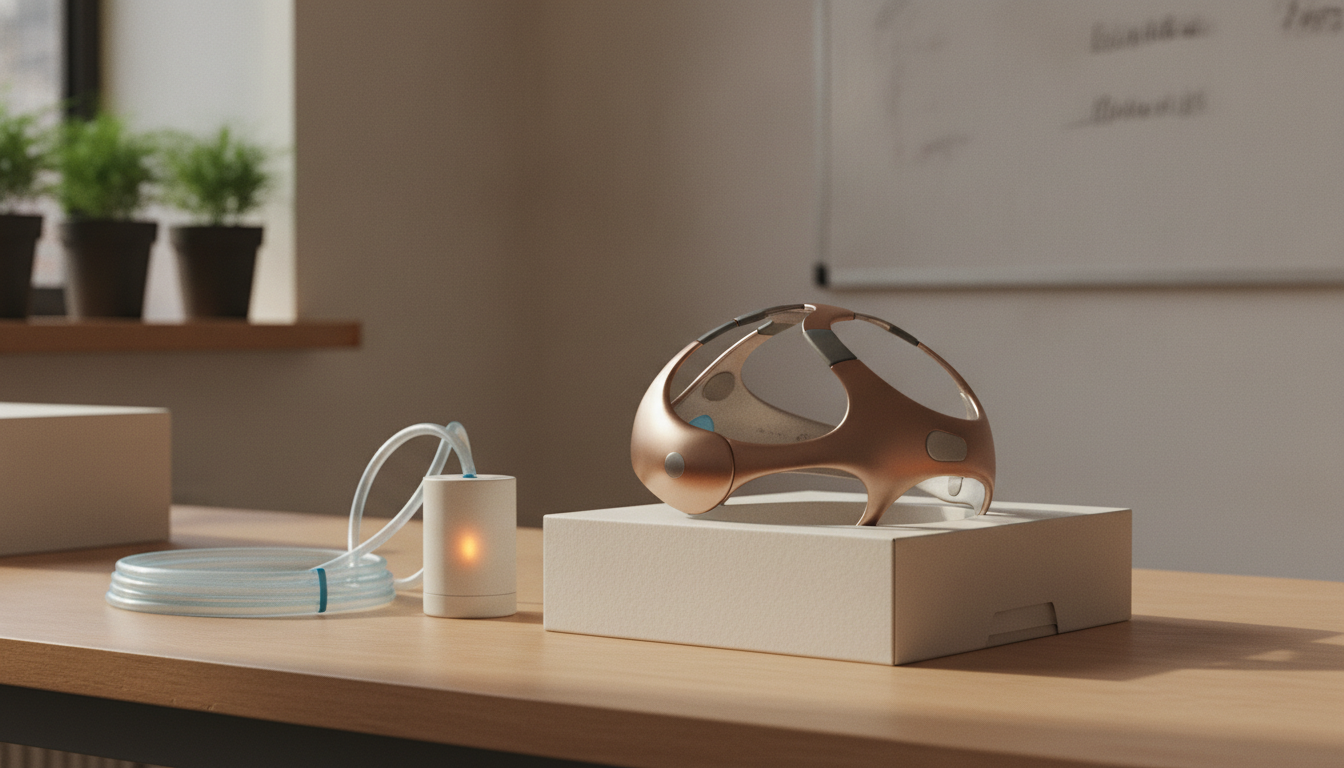
Personalized brain stimulation supports measurable communication gains
A 2026 double-blind trial published in Molecular Psychiatry found that accelerated theta burst stimulation (aTBS), a noninvasive technique that modulates neural activity through brief magnetic pulses, showed benefits when precisely targeted to individuals' neural networks. The study focused on the fronto-parietal control network, which supports attention and cognitive flexibility. Participants receiving personalized aTBS showed greater improvements in social connection and self-regulation compared to those receiving sham stimulation, with effects lasting at least eight weeks.
Early supports help many develop communication methods
Preliminary findings from a Drexel University study (awaiting peer review) suggest that about 67% of nonspeaking autistic children developed single-word speech abilities through early, intensive supports that combined speech therapy with alternative communication methods. Researchers emphasize that outcomes vary significantly between individuals and that all communication methods have equal value.
Only about 2% of participants in autism research represent this population, according to a PMC analysis, leaving critical gaps in understanding their needs.
Defining support needs
A major barrier in this field is inconsistent terminology. A systematic review highlighted how studies use varying definitions for communication support needs, making comparisons difficult. Only about 2% of participants in autism research represent this population, according to a PMC analysis, leaving critical gaps in understanding their needs.
The term 'profound autism' has emerged in some circles to describe individuals with significant support needs, though many autistic advocates express concern that such labels may lead to lowered expectations. The Autism Science Foundation and others argue for more precise research categories, while self-advocates emphasize focusing on individual needs rather than diagnostic subgroups.
Sources
- 01Accelerated intermittent theta burst stimulation targeting personalized fronto-parietal control network improves core symptoms of autism spectrum disorder: a double-blind, randomized controlled trial | Molecular Psychiatry
- 02Developing a consensus research definition for profound ...
- 03Drexel Study Finds Early Intervention Helps Most Autistic ...
- 04Overcoming hurdles to intervention studies with autistic ... - PMC
Common questions
Behind the brief
Adversarial editorial review
Open thread