Brain & NeuroscienceResearch
Emerging Research on Gut Microbiome Patterns in Autistic Individuals
Studies examine dietary and environmental influences on gut bacteria in autistic children, while highlighting methodological challenges and the need for cautious interpretation.
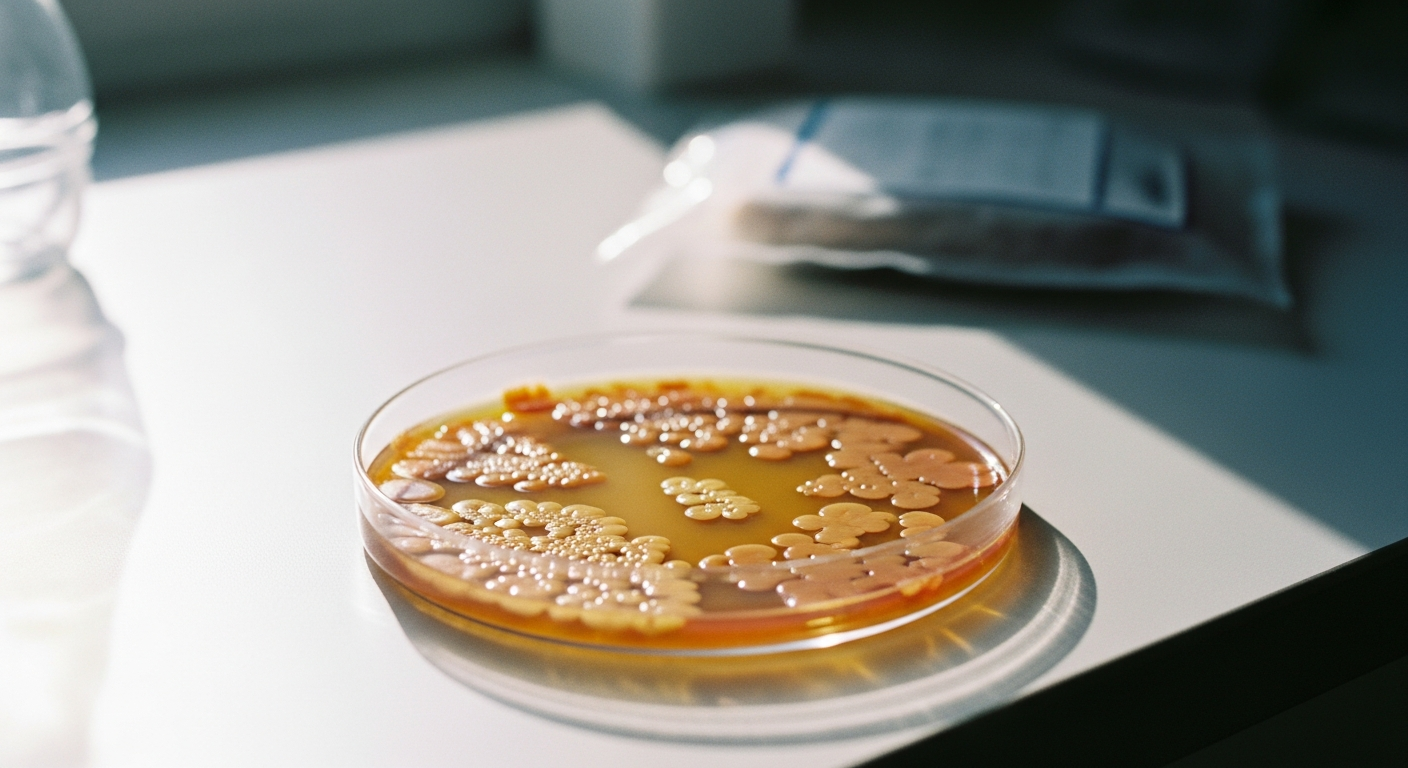
Exploring Gut Microbiome Patterns in Autism
Research continues to examine how the gut microbiome - the community of microorganisms in our digestive systems - may relate to neurodevelopment in autistic individuals. A December 2025 study in Nature involving 237 autistic children and their family members found similar gut microbiome profiles among household members, suggesting shared environmental and dietary influences may contribute to some observed patterns.
Dietary Influences on Gut Bacteria
Studies indicate that eating patterns correlate with gut microbiome composition in autistic individuals. Research published in Nature Communications (December 2025) identified associations between sensory-based eating preferences and certain gut bacteria, building on earlier work suggesting dietary patterns may influence - rather than solely result from - microbiome differences. As News-Medical reported, dietary factors appear to play a more substantial role than microbiome composition in some findings.
However, these remain early-stage findings with small effect sizes that require replication.
Overlapping Microbial Signatures
Some research has noted similar gut microbiome patterns across autism, ADHD, and certain eating behaviors, as PsyPost highlighted. These transdiagnostic observations may reflect shared biological pathways, though methodological factors and medication effects could also contribute to these patterns.
Preliminary Mechanistic Research
Some studies have explored potential biological mechanisms, with UCLA Health reporting on observed differences in gut metabolites among autistic children. Similarly, USC researchers have examined possible correlations between gut microbes and behavioral observations. However, these remain early-stage findings with small effect sizes that require replication.
Scientific Considerations and Debate
The field faces significant methodological challenges. As Science reported, critics note that many observed microbiome differences are modest and potentially confounded by factors like diet, medication use, and stress responses. Medscape's analysis questioned whether current evidence supports strong gut-brain claims in autism research.
Sources
- 01Gut microbiota analysis in children with autism spectrum disorder and their family members
- 02Is the Gut-Autism Hypothesis a ‘Dead End'?
- 03Distinct diet-microbiome associations in autism spectrum disorder
- 04Kids with autism show altered gut microbiome-brain interactions ...
- 05Gut-brain link may affect behavior in children with autism - USC Today
- 06Research linking gut microbes to autism is deeply flawed, critics say
Common questions
Behind the brief
Adversarial editorial review
Open thread