Diagnosis & ScreeningResearch
Emerging Biomarkers Show Potential for Earlier Autism Identification in Young Children
Preliminary research on eye-tracking and gut microbiome analysis suggests new screening approaches, but experts emphasize these tools remain investigational and require further validation.
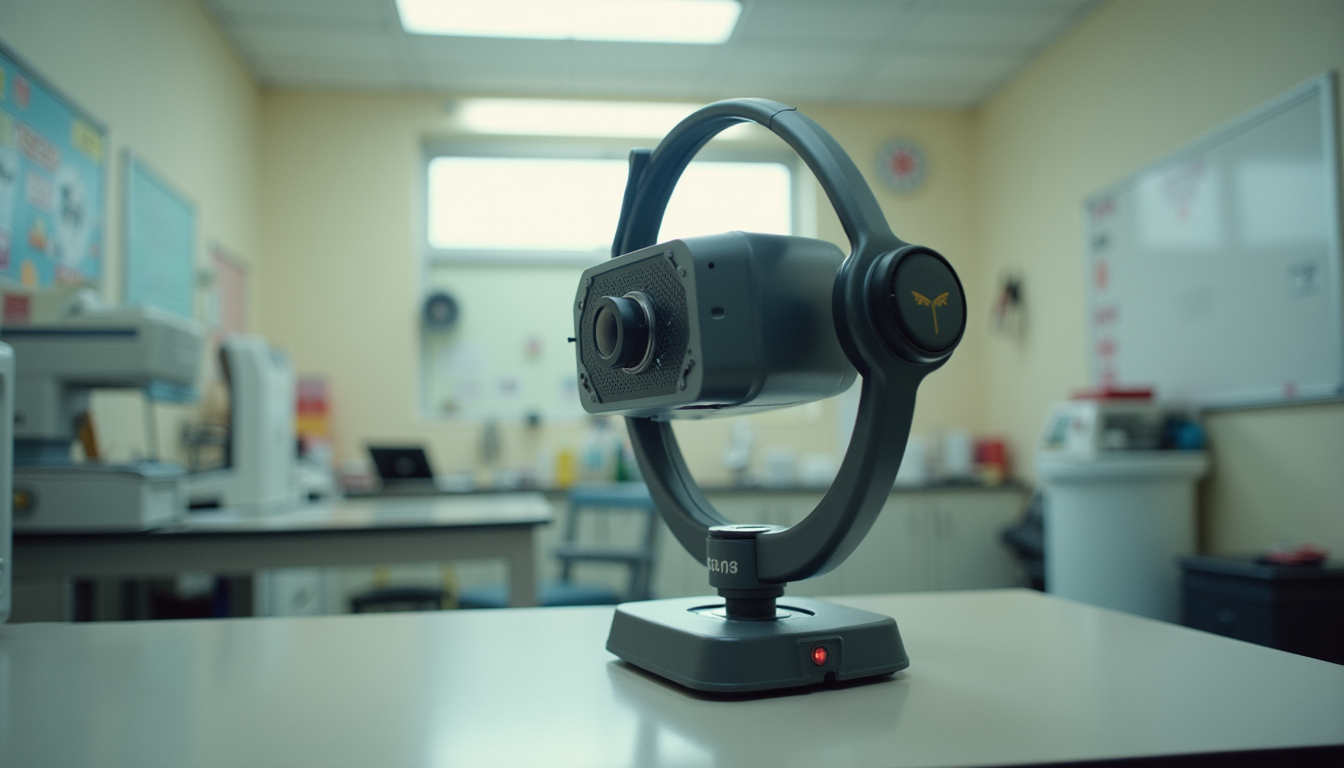
Eye-Tracking and Microbiome Research Explores New Screening Approaches
Autism identification has traditionally relied on behavioral observations, often delaying diagnosis until children reach school age. Two emerging areas of research—eye-tracking measurements and gut microbiome analysis—are being studied as potential screening tools that might help flag children for earlier comprehensive evaluation.
A diagnostic study published in JAMA Network Open found that eye-tracking technology could help differentiate autistic children (mean age 36 months) from neurotypical peers in specialty clinic settings. The method tracks gaze patterns during short video interactions, achieving moderate accuracy (AUC 0.75-0.80) when combined with other measures. While not yet ready for primary care implementation, researchers suggest this approach might eventually help reduce diagnostic delays.
The Chinese University of Hong Kong is offering 200 free tests in a pilot program to gather preliminary real-world data.
Separately, researchers in Hong Kong are developing an experimental stool test that analyzes gut microbiome patterns. The test received FDA Breakthrough Device designation—a status that expedites regulatory review but doesn't verify accuracy—and its developers claim 95% sensitivity for ruling out low-risk cases in unpublished data. The Chinese University of Hong Kong is offering 200 free tests in a pilot program to gather preliminary real-world data.
Biological Indicators May Help Identify Subgroups
Supporting research comes from a small Nature study that found metabolic differences in urine samples from some autistic children. These preliminary findings suggest certain biological patterns might eventually help identify subgroups of autistic individuals, though the study didn't propose a diagnostic algorithm.
'We're seeing interesting but preliminary findings across different research approaches,' explains Dr. Sarah Chang, a developmental pediatrician at Boston Children's Hospital with no ties to the studies. 'The eye-tracking work measures behavioral differences objectively, while the microbiome research explores potential biological correlates—but neither is ready for standalone clinical use.'
Practical Considerations for Families
Parents should understand these approaches remain in development. The eye-tracking method is being studied in specialty clinics, not pediatric offices. The microbiome test is experimental, with accuracy claims based on developer data rather than independent peer-reviewed studies. Neither test is currently covered by insurance or widely available.
For families concerned about autism, experts continue to recommend developmental screening during well-child visits using validated tools like the M-CHAT, followed by comprehensive evaluation from specialists when needed. Early identification matters because it allows children to access supports during important developmental periods, typically before age 3 when interventions may be most impactful.
Sources
- 01Bringing autism diagnosis closer to home: The role of eye-tracking biomarkers in early detection
- 02CUHK to pilot free AI-powered stool test for autism in children
- 03CUHK and MicroSigX partner to launch a breakthrough test aiding early autism diagnosis offering 200 free test quotas
- 04Eye-Tracking Biomarkers and Autism Diagnosis in Primary Care
- 05Early autism diagnosis enhanced by eye-tracking technology
- 06Elevated microbially-derived metabolites in autism: a possible diagnostic screening test for a distinct ASD phenotype
Common questions
Behind the brief
Adversarial editorial review
Open thread