Diagnosis & ScreeningResearch
Emerging Biomarker Tools May Expand Options for Autism Identification
New research explores eye-tracking and microbiome analysis as potential screening aids, with experts calling for cautious interpretation and community involvement.
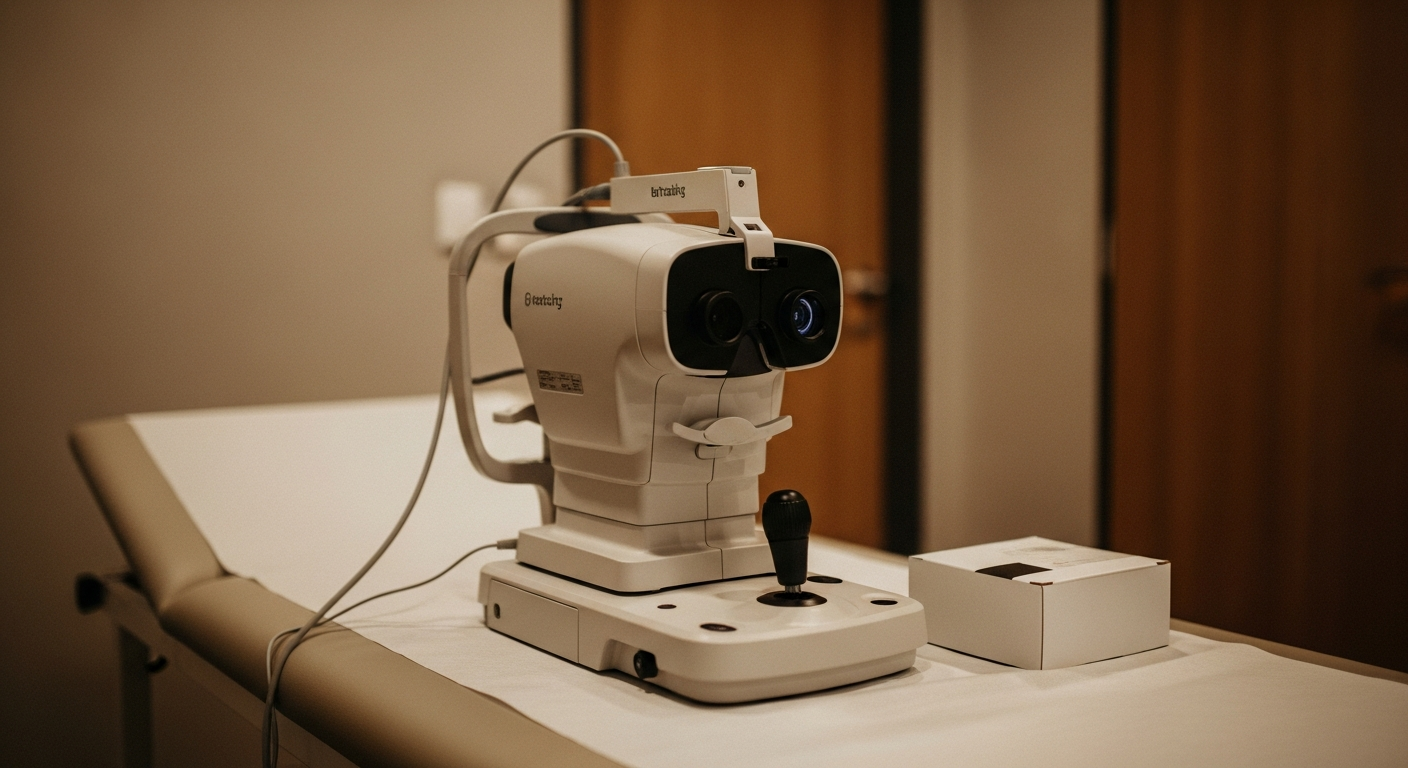
Eye-Tracking Shows Potential as Screening Aid
A May 2024 study in JAMA Network Open found that measuring how infants distribute attention between social and nonsocial stimuli could help identify autism traits as early as 16 months. When combined with standard developmental screening, the approach correctly identified 78% of children who would later receive autism diagnoses (sensitivity) and correctly ruled out autism in 85% of children who wouldn't receive diagnoses (specificity). Researchers caution these metrics mean the tool would still miss some autistic children while potentially flagging others unnecessarily. Purdue University researchers suggest tablet-based systems could eventually make this technology accessible in pediatric offices, though more research is needed on implementation.
Exploring Biological Subgroups Through Microbiome Analysis
Separately, a Nature study identified elevated levels of microbially-derived compounds in urine samples from a small subset of autistic children with distinct metabolic patterns. These findings may eventually help identify specific biological profiles rather than serving as general screening tools. Some companies have begun offering commercial stool tests claiming to detect autism through gut microbiome analysis, such as MicroSigX which advertises >95% accuracy. However, these claims lack peer-reviewed validation despite the test's FDA Breakthrough designation - a program that accelerates review but doesn't confirm clinical utility.
Some companies have begun offering commercial stool tests claiming to detect autism through gut microbiome analysis, such as MicroSigX which advertises 95% accuracy.
Refining Screening Through Health Data Patterns
Research from 2021 in Science Advances suggests analyzing patterns in electronic health records - including co-occurring conditions and developmental histories - could help reduce unnecessary referrals. In one analysis, this approach decreased false positive screening results by 32% compared to standard questionnaires alone, though researchers note this came with tradeoffs in sensitivity.
Earlier identification can help connect children with tailored supports, though experts emphasize biomarkers should complement rather than replace comprehensive evaluations by specialists. Autistic self-advocates stress the importance of framing diagnosis as a tool for understanding and accommodation rather than prevention or cure. As these technologies develop, researchers increasingly involve autistic community members in study design and interpretation to ensure tools respect neurodiversity.
Practical Considerations for Families
While these advances may eventually make screening more accessible, particularly in areas with limited specialist access, families should consider several factors:
- Current biomarker tools remain imperfect, with tradeoffs between catching more cases and avoiding unnecessary referrals
- Commercial tests often lack independent verification of their accuracy claims
- Costs and insurance coverage vary widely for emerging technologies
- Identification should focus on connecting individuals with supports that respect autistic identity and agency
Sources
- 01Elevated microbially-derived metabolites in autism: a possible diagnostic screening test for a distinct ASD phenotype
- 02Eye-Tracking Biomarkers and Autism Diagnosis in Primary Care
- 03Early detection of autism using digital behavioral phenotyping - Nature
- 04Early autism diagnosis enhanced by eye-tracking technology
Common questions
Behind the brief
Adversarial editorial review
Open thread