Therapies & TreatmentResearch
Early Support Shows Promise for Non-Speaking Autistic Children, Though Evidence Gaps Persist
Emerging research suggests tailored approaches may help some non-speaking autistic children develop communication skills, while advocates call for more inclusive studies.
Understanding Communication Development
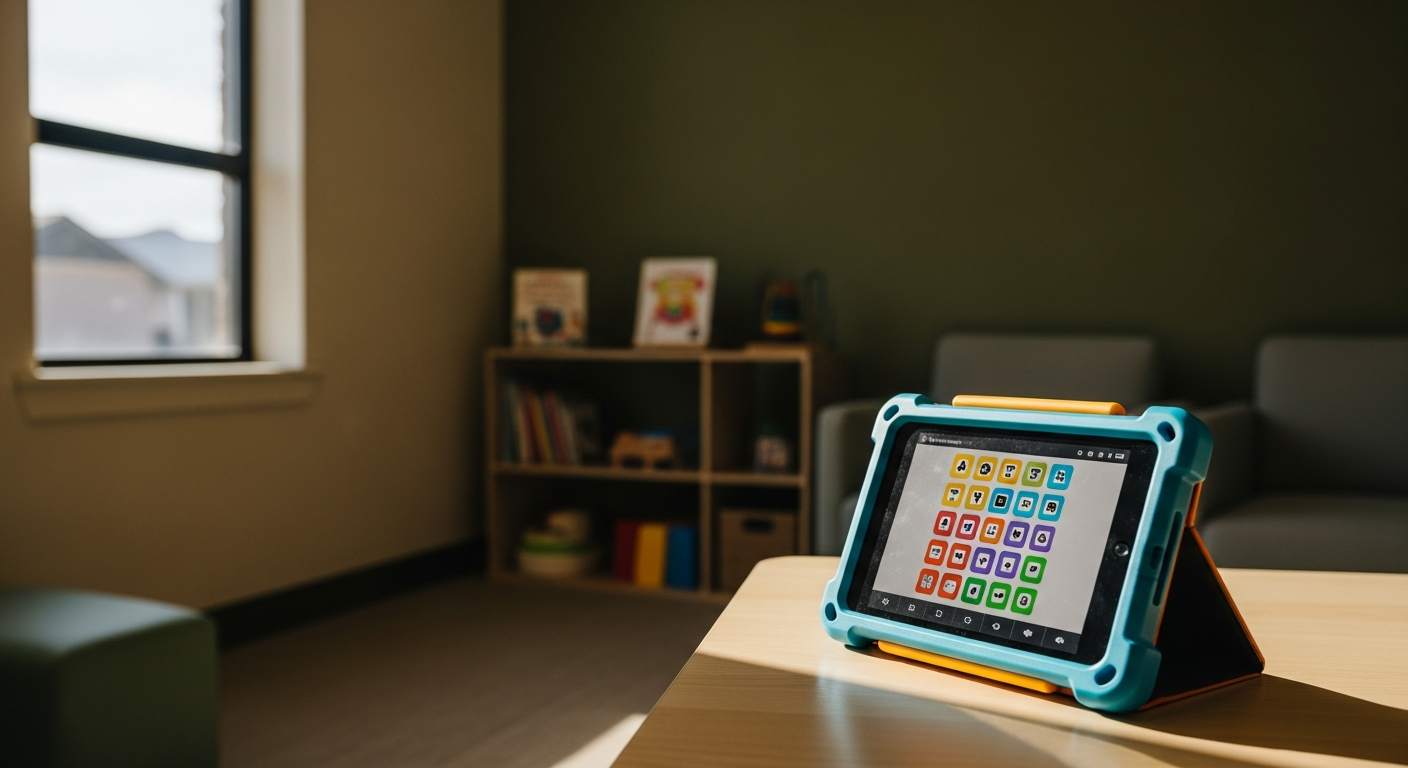
Recent preliminary data from Drexel University (news archive, January 2026) suggests some non-speaking autistic children may develop spoken language with support, though methodological details remain unpublished. This aligns with broader recognition that early, individualized approaches—including speech therapy, augmentative and alternative communication (AAC), and programs like JASPER (Autism Speaks, 2026)—can help many children build communication skills.
Addressing Research Gaps
Minimally verbal autistic individuals remain underrepresented in studies, comprising only about 2% of research participants. Basic science research, such as a 2025 Scientific Reports study on visual processing differences, may eventually inform support strategies but doesn't yet demonstrate clinical applications.
Addressing Research Gaps Minimally verbal autistic individuals remain underrepresented in studies, comprising only about 2% of research participants.
The 'Profound Autism' Discussion
The proposed 'profound autism' category—defined by either intellectual disability (IQ<50) or minimal verbal ability (Child Mind Institute, 2026)—aims to highlight support needs but remains controversial. Critics warn it may perpetuate stigma while proponents argue it could improve resource allocation (Autism Spectrum News, 2026).
Practical Considerations
Effective support often combines multiple evidence-based approaches:
- Speech therapy tailored to individual needs
- AAC systems like picture exchange or speech-generating devices
- Social communication programs
- Sensory accommodations
Parents should consult specialists to develop personalized plans that respect each child's unique communication style and pace of development.
Sources
- 01Visual statistical learning and social attention in neurotypical, minimally speaking and speaking autistic preschoolers
- 02Overcoming hurdles to intervention studies with autistic children with ...
- 03Science Corner: Who is missing from autism research and why it ...
- 04Adaptive Interventions for Minimally Verbal Children With Autism ...
- 05Drexel Study Finds Early Intervention Helps Most Autistic Children ...
Common questions
Behind the brief
Adversarial editorial review
Open thread