Therapies & TreatmentResearch
Early Autism Support Shows Diverse Communication Outcomes
Research confirms many autistic children develop spoken language with therapy, while underscoring the need for personalized approaches that honor neurodiversity.
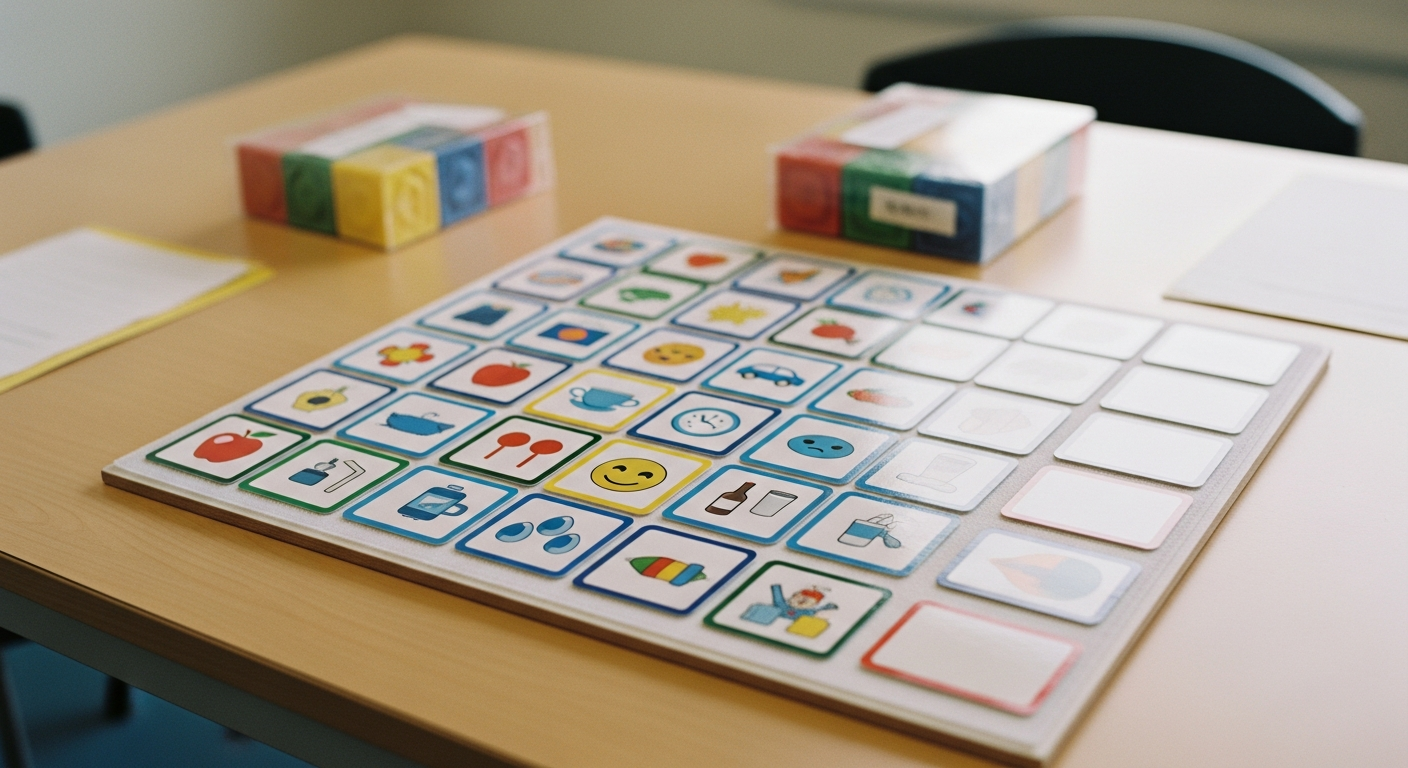
Early Support Expands Communication Pathways
For families of autistic children with delayed spoken language, a 2026 Drexel study (N=287) using standardized assessments found 65% of participants developed spoken words or phrases after receiving evidence-based support before age 3. The research adds to growing evidence that early engagement can help many autistic children develop communication skills, though outcomes vary significantly based on individual neurology and support approaches.
Parent-led approaches—where caregivers learn therapeutic techniques—show particular promise for fostering connection. A 2026 systematic review in Frontiers in Psychiatry analyzing 14 randomized controlled trials found these interventions improved social communication outcomes for infants at elevated likelihood for autism, with effects sustained at 12-month follow-up.
A 2023 BMJ meta-analysis of 27 trials found such therapies improved caregiver-reported outcomes but had modest effects on core autistic traits.
Individualized Approaches Are Key
As News-Medical reported in 2026, large-scale studies reveal substantial variability in outcomes based on factors like sensory processing differences, motor speech abilities, and co-occurring conditions. Some children show significant progress with spoken language support, while others thrive more with alternative communication methods—a diversity that underscores the need for personalized approaches.
Behavioral interventions like Applied Behavior Analysis (ABA) remain widely used, though they face increasing scrutiny from autistic self-advocates. A 2023 BMJ meta-analysis of 27 trials found such therapies improved caregiver-reported outcomes but had modest effects on core autistic traits. Critics, including the Autistic Self Advocacy Network, raise ethical concerns about compliance-focused methods and trauma risks, while noting the field's profit-driven models may not always prioritize children's wellbeing.
Valuing All Communication Forms
The evidence confirms early support can help many autistic children develop spoken language—but not all. Experts stress that while verbal communication is often a family priority, it's not the only valid option. Robust research supports augmentative and alternative communication (AAC) methods like picture exchange systems, sign language, and speech-generating devices—with studies showing these tools reduce frustration while supporting cognitive and social growth for nonspeaking individuals.
Sources
- 01Drexel Study Finds Early Intervention Helps Most Autistic Children Acquire Spoken Language
- 02Parent-mediated early intervention in infants and toddlers at elevated likelihood for autism: a systematic review of randomized controlled trials
- 03Not all children with autism benefit from early language therapy
- 04Autism intervention meta-analysis of early childhood studies (Project ...
Common questions
Behind the brief
Adversarial editorial review
Open thread