Therapies & TreatmentResearch
Diet and Shared Factors Likely Shape Digestive Differences in Autism, Studies Find
New family-based research highlights dietary patterns and environmental influences as key factors in gut microbiome variations among autistic individuals, challenging earlier causal microbiome claims.
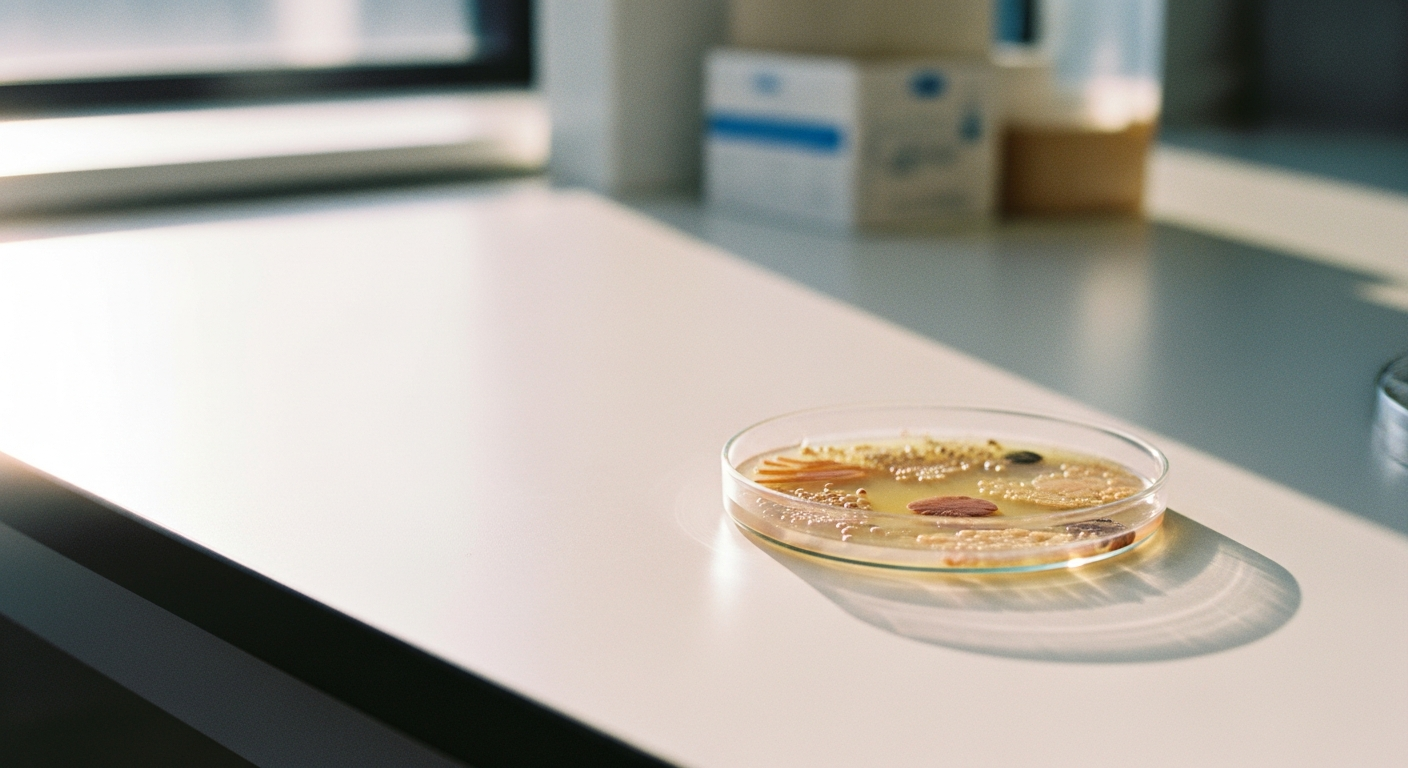
For years, researchers have debated whether differences in gut bacteria might contribute to autism traits. A wave of new studies suggests these microbial patterns are more likely shaped by dietary habits—such as the selective eating often reported among autistic individuals—and shared environmental factors, rather than being an intrinsic feature of autism.
Shared Family and Environmental Influences Challenge Autism-Specific Microbiome Claims
A December 2025 study in Nature analyzed gut microbiomes in autistic children and their neurotypical siblings and parents. The study found that household members shared similar microbial profiles regardless of autism diagnosis. 'The familial environment—including diet, home routines, and even pet exposure—accounted for most microbial variations,' the authors noted. This challenges earlier small studies that claimed distinct 'autism microbiomes.'
Another Cell paper00785-8) highlighted confounding factors like antibiotic use, exercise levels, and stress, which were rarely accounted for in earlier work.
Diet emerged as a significant factor. A companion Nature paper found that autistic children’s food preferences (often limited to processed carbs or avoiding vegetables) strongly predicted certain gut bacteria linked to inflammation. These same patterns appeared in neurotypical picky eaters, suggesting diet—not autism alone—drives many microbial shifts. However, the study also acknowledged that genetic and environmental factors may interact with diet to shape the microbiome.
Methodological Flaws and Bidirectional Relationships in Earlier Research
Critics have long warned that microbiome-autism studies often lacked proper controls. A November 2025 critique in Science noted that reported differences between autistic and non-autistic groups were smaller than normal variations within the general population. Another Cell paper00785-8) highlighted confounding factors like antibiotic use, exercise levels, and stress, which were rarely accounted for in earlier work.
Research also suggests potential bidirectional interactions. For example, Neuroscience News reported in 2025 that gut problems in autism are linked to sleep, behavior, and sensory challenges, which could in turn influence dietary choices. This complexity underscores the need for nuanced interpretations.
Persistent GI Issues and Ongoing Research
While gastrointestinal (GI) distress is well-documented in autism, its origins remain multifaceted. Longitudinal studies confirm that autistic children’s GI symptoms often persist—but microbiome changes alone don’t predict behavioral traits. This challenges some probiotic marketing claims, though ongoing research, such as a 2025 study highlighted by Nutraceutical Business Review, continues to explore whether probiotics might help manage GI symptoms.
What’s Next?
Researchers urge a shift toward practical supports: expanding feeding therapies, reducing meal-time stress, and addressing sensory or environmental barriers to varied diets. 'If we improve nutritional diversity and reduce stressors, microbial differences may resolve naturally,' one team told News-Medical. Meanwhile, ongoing trials are testing diet-microbiome interventions, as noted in Medscape, though their outcomes remain uncertain.
Sources
- 01Gut microbiota analysis in children with autism spectrum disorder and their family members
- 02Distinct diet-microbiome associations in autism spectrum disorder
- 03Research linking gut microbes to autism is deeply flawed, critics say
- 04Conceptual and methodological flaws undermine claims of a link ...
- 05Do gut microbes cause autism? New research says diet plays the bigger role
Common questions
Behind the brief
Adversarial editorial review
Open thread