Diagnosis & ScreeningResearch
Brief Eye-Tracking Tests May Help Flag Early Autism Signs in Some Infants
Research suggests 2-minute eye-tracking measures could aid early identification of autism likelihood in high-risk infants, enabling developmental support while noting key limitations.
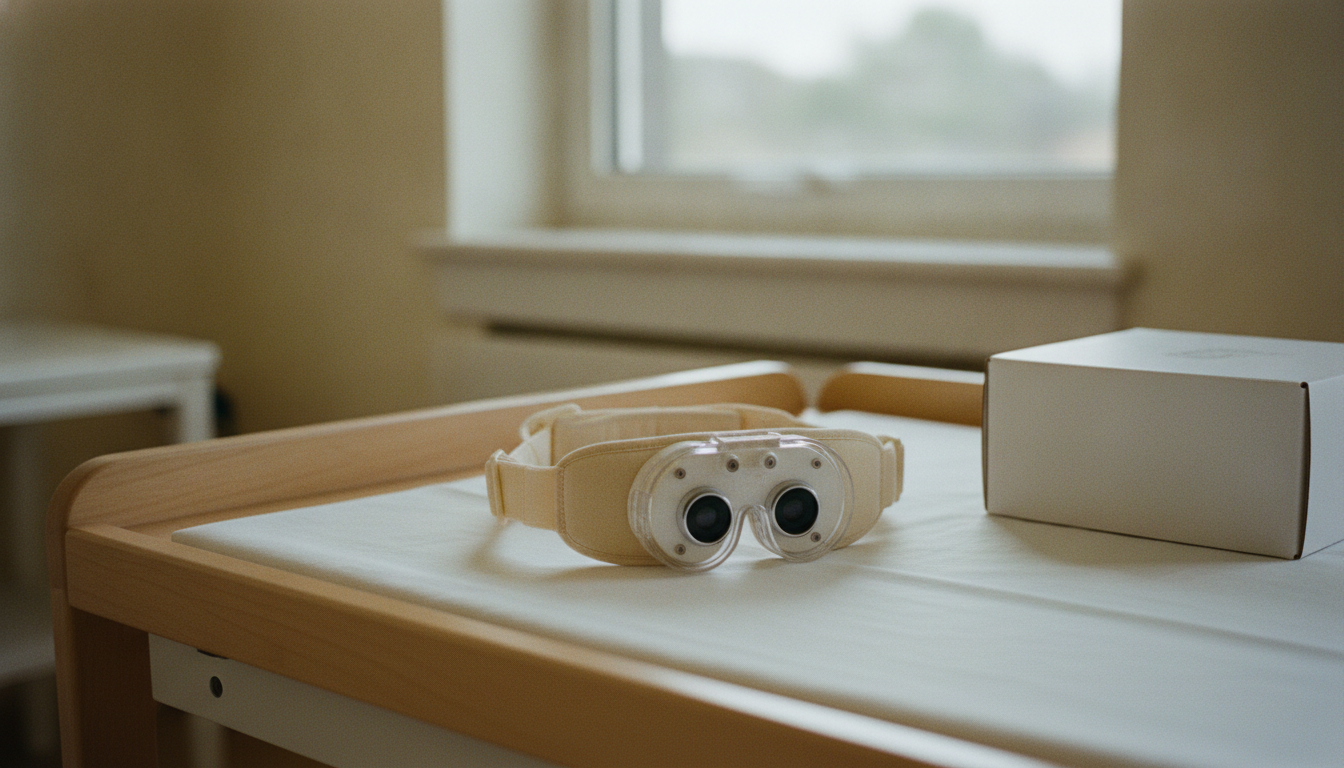
Subtle differences in how infants look at social scenes — detectable through brief eye-tracking tests — may help identify early signs of autism likelihood in some children, according to emerging research. A March 2024 study in Scientific Reports found that 2 minutes of eye-tracking data could distinguish some infants who later received autism diagnoses with moderate accuracy (AUC 0.71), though results were most reliable for children with autistic siblings.
What the Research Shows
Multiple studies suggest that reduced attention to social cues (like eyes in faces) may be an early behavioral marker for some autistic children. A 2023 JAMA Network Open study testing the Gazefinder system found infants with autistic siblings who later received diagnoses spent less time looking at eyes in videos at 12 months old. These gaze patterns correlated with later social communication differences.
A 2024 ScienceDirect analysis cautions that eye-tracking's accuracy in general populations remains unclear.
Current autism identification typically occurs around age 4.5 years according to CDC data, but earlier recognition could connect families to support services. As a 2023 Cureus review notes, these tools wouldn't diagnose autism alone but may help identify infants needing comprehensive evaluations.
Key Considerations
Most research has focused on infants with autistic siblings, who have higher likelihood of autism. A 2024 ScienceDirect analysis cautions that eye-tracking's accuracy in general populations remains unclear. Implementation challenges like cost and training also separate lab studies from widespread clinical use.
For families, early identification may open access to developmental support like parent-mediated interventions that can benefit children regardless of eventual diagnosis. Researchers stress these tools should complement, not replace, developmental monitoring by caregivers and clinicians.
Sources
- 01Feasibility of a 2-minute eye-tracking protocol to support the early identification of autism
- 02Eye-Tracking Biomarkers and Autism Diagnosis in Primary Care | Pediatrics
- 03Evaluating the validity of eye-tracking tasks and stimuli in detecting high ...
- 04Early Warning Signs of Autism: A Systematic Review of Nonverbal Behavioral Markers and Early Developmental Red Flags in Children Under 36 Months
- 05Prodromal behavioral markers and developmental trajectories of autism spectrum disorder in infancy: a narrative review
Common questions
Behind the brief
Adversarial editorial review
Open thread