Therapies & TreatmentResearch
Brain stimulation shows promise for supporting autistic individuals in rigorous trial, while major leucovorin study retracted
New research highlights both progress and setbacks in autism intervention development, with neuromodulation emerging as a promising approach and previously hyped treatments facing scrutiny
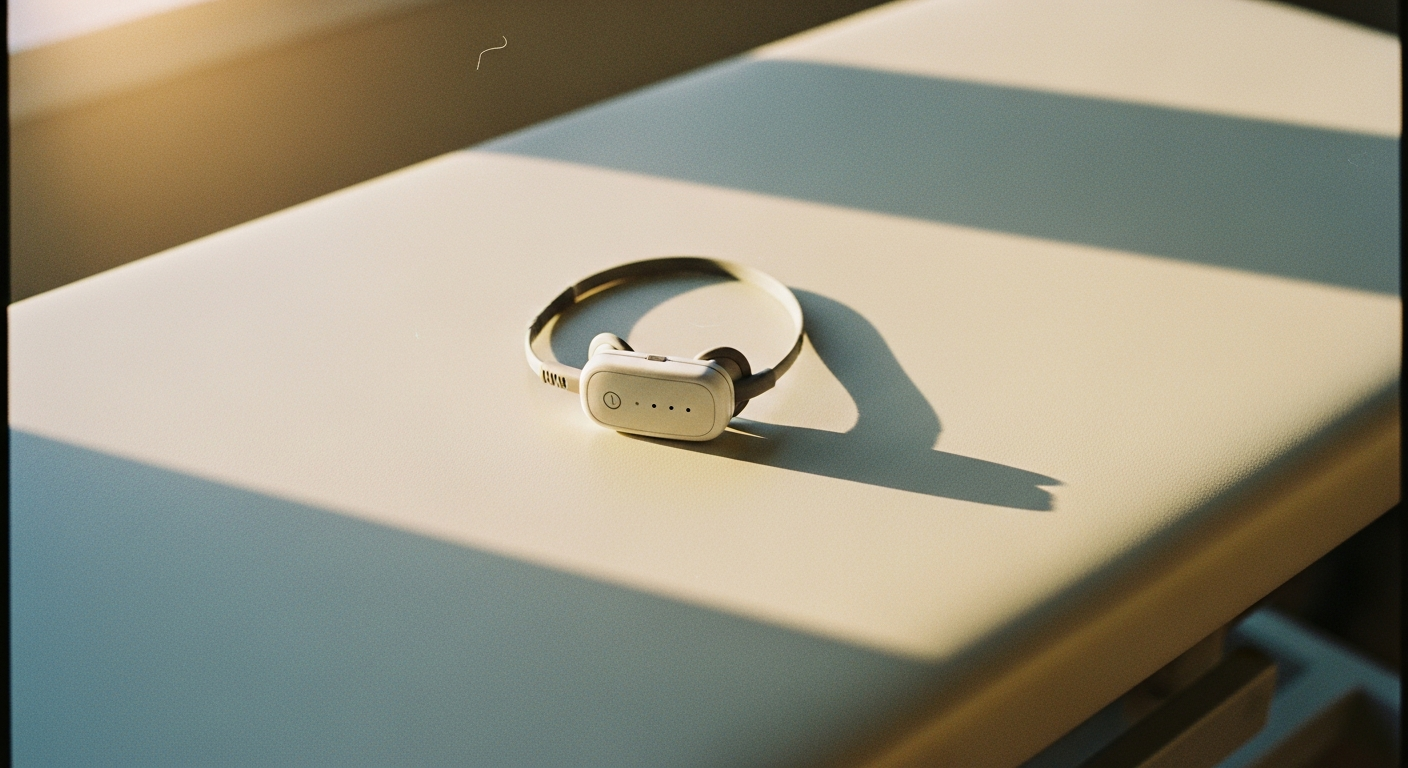
Brain stimulation shows measurable benefits
A rigorous clinical trial published in Nature in April 2026 involving 87 autistic participants aged 14-25 found that accelerated intermittent theta burst stimulation (aiTBS) - a form of non-invasive brain stimulation - improved social communication and repetitive behaviors when precisely targeted to individuals' brain networks. The double-blind, randomized controlled trial demonstrated that this personalized neuromodulation approach yielded improvements that persisted during the 12-week follow-up period.
The technique builds on decades of research into brain connectivity differences in autism, using MRI-guided stimulation to modulate specific neural circuits. Unlike pharmacological approaches that have struggled to address core characteristics, this study represents an important step toward targeted support - though researchers caution that larger, more diverse trials are needed to confirm these preliminary findings. The study reported mild side effects including temporary headaches in 15% of participants.
The study reported mild side effects including temporary headaches in 15% of participants.
Leucovorin study retracted amid quality concerns
In contrast, a major study on leucovorin for autism was retracted in February 2026 after statistical irregularities and unblinding concerns were identified, as reported by The Transmitter. The retraction reverses previous claims about the folate treatment's effectiveness and highlights ongoing challenges in autism intervention research. While some clinicians continue to use leucovorin off-label based on smaller studies of folate metabolism, the evidence base remains inconclusive according to UC San Diego researchers.
New funding for clinical trial infrastructure
Amid these developments, UCLA and Children's Hospital Los Angeles were awarded $17 million to participate in an expanding autism clinical trials network focused on improving recruitment diversity, data sharing, and publication of all results - including negative findings. The funding, announced last week, aims to address longstanding gaps in autism treatment research, including the 40% unpublished trial rate identified in some analyses.
Autistic self-advocate and researcher Dr. Steven Kapp notes: 'These developments show why we need more autistic voices guiding research priorities. The brain stimulation approach aligns with our community's interest in neurodiversity-affirming supports rather than cures.'
The simultaneous progress in neuromodulation research and setbacks in pharmacological approaches underscore both the promise and challenges of developing autism supports. While no medications currently target core characteristics, the new brain stimulation results suggest alternative pathways for future support development alongside other emerging approaches like gene-targeted therapies and behavioral interventions.
Sources
- 01Accelerated intermittent theta burst stimulation targeting personalized fronto-parietal control network improves core symptoms of autism spectrum disorder: a double-blind, randomized controlled trial
- 02Largest leucovorin-autism trial retracted - The Transmitter
- 03UCLA among group awarded $17 million to participate in autism clinical trials
Behind the brief
Adversarial editorial review
Open thread