Brain & NeuroscienceResearch
Brain Scans Reveal Two Distinct Autism Subtypes with Unique Biological Roots
New research combines human neuroimaging and mouse models to identify biologically distinct autism subgroups, potentially paving the way for more personalized approaches.
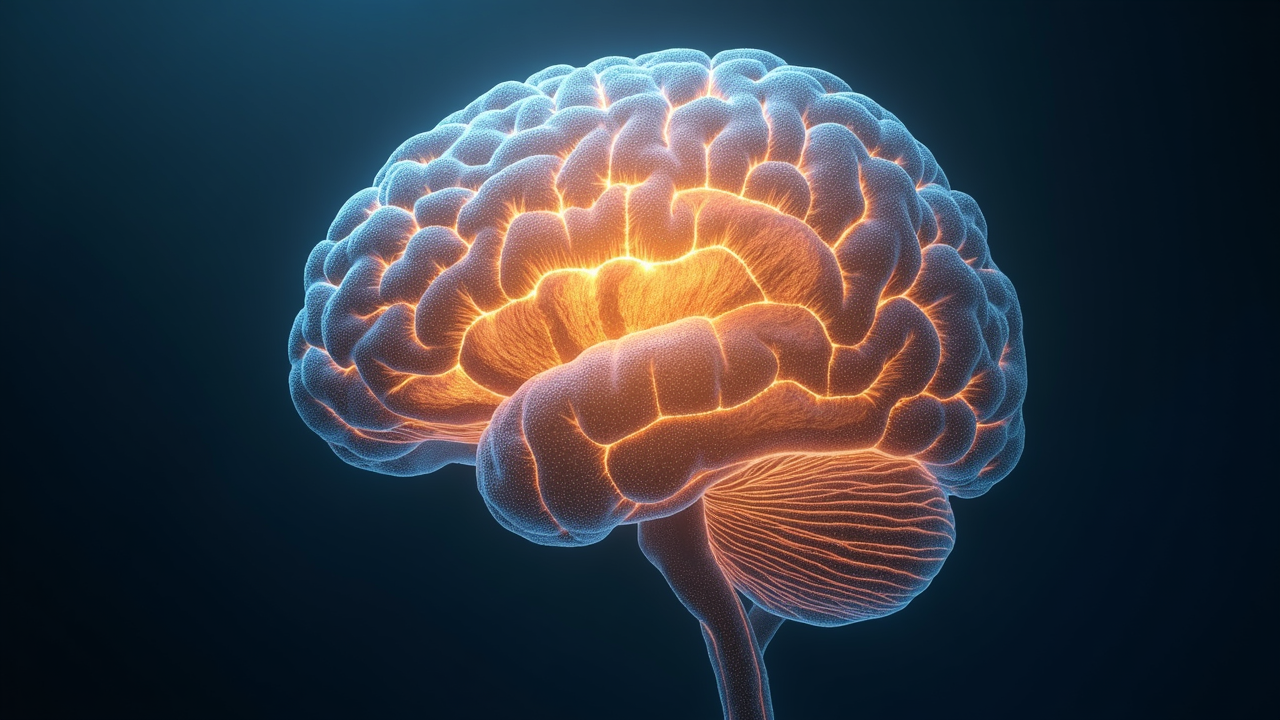
Two Autism Subtypes Emerge from Brain Connectivity Patterns
A study published in Nature Neuroscience involving 246 human participants has identified two distinct autism subtypes based on differences in brain connectivity and molecular biology. Using functional MRI scans, researchers found one group with synaptic hypoconnectivity (reduced connectivity between neurons) and another with immune hyperconnectivity (excessive connectivity linked to immune system activity). These patterns were validated through cross-species analysis combining human data with mouse models, as reported by EurekAlert!.
Divergent Biological Pathways
The synaptic subtype showed disruptions in genes related to neuron development and communication, while the immune subtype involved overactive microglia (the brain's immune cells) and inflammation-related pathways. This suggests autism spectrum disorder (ASD) may arise from fundamentally different biological mechanisms in different individuals. Neuroscience News highlights that these subtypes weren't distinguishable through behavioral assessments alone—only brain imaging revealed the biological differences.
Why This Matters
If confirmed, these findings could eventually help tailor interventions to an individual's biological subtype. As PsyPost notes, understanding these mechanisms might lead to more targeted therapies, though the researchers emphasize this is still speculative. The University of North Carolina's CAMRI perspective calls this a "significant step" in parsing autism's biological heterogeneity.
Limitations and Future Directions
The study's authors caution that while the findings are promising, the subtypes' stability over time and their clinical relevance remain to be established. Additionally, the use of mouse models, while valuable, has limitations due to differences in neurobiology between species, as discussed in Frontiers in Neuroscience. Further research is needed to explore potential confounding variables, such as environmental influences or genetic variability, that could affect brain connectivity patterns.
Sources
- 01Autism subtypes identified using cross-species functional connectivity analyses
- 02Brain scans reveal two distinct subtypes of autism with different underlying biology
- 03Two Distinct Autism Subtypes Identified Via Brain Connectivity
- 04Scientists identify two distinct biological subtypes of autism using brain scans
- 05CAMRI Contributes Perspective on Autism Neuroimaging in Nature ...
Behind the brief
Adversarial editorial review
Open thread