Brain & NeuroscienceResearch
Brain Scans Reveal Two Distinct Autism Subtypes, Opening Doors to Personalized Approaches
A landmark study identifies biologically distinct autism subgroups through brain connectivity patterns, with potential to tailor future interventions.
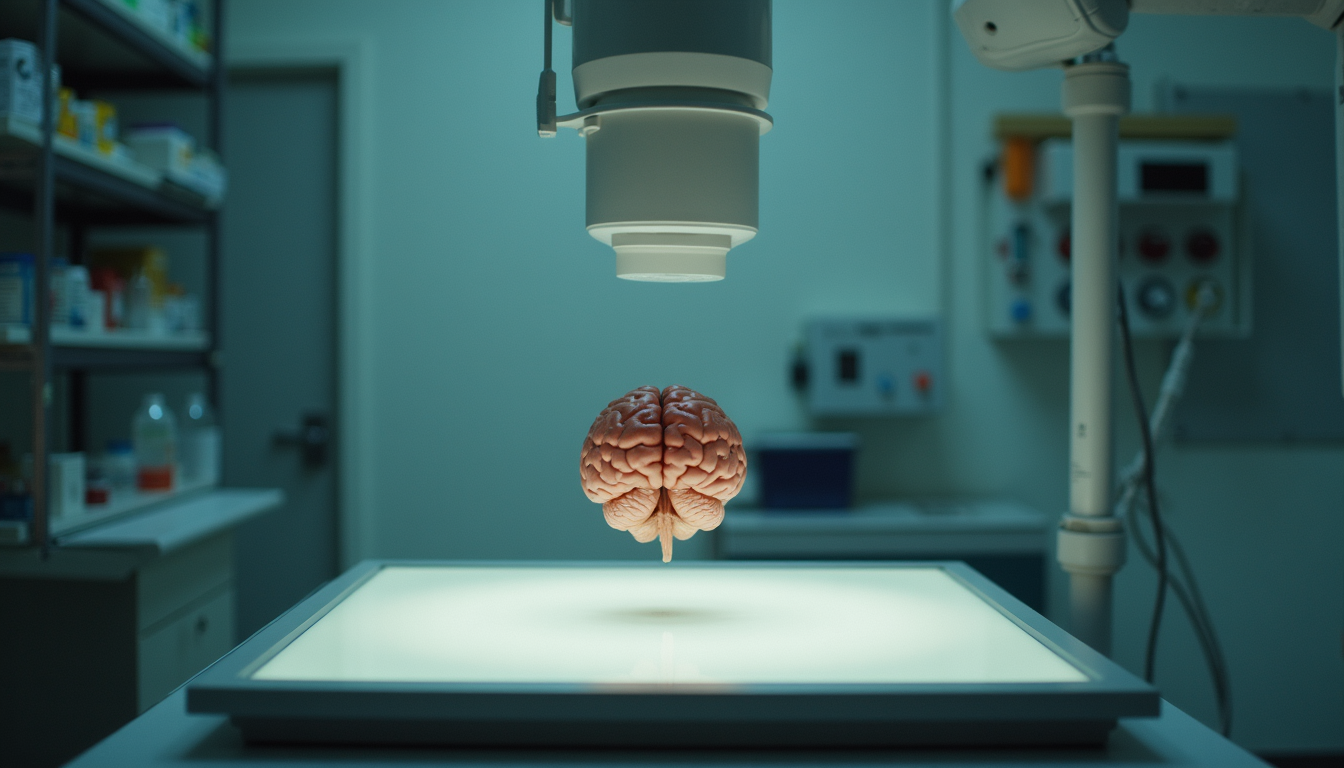
Mapping Autism's Biological Diversity
For the first time, scientists have pinpointed two biologically distinct subtypes of autism spectrum disorder (ASD) by analyzing patterns of brain connectivity. A study in Nature Neuroscience combined functional MRI scans from autistic individuals with cross-species analyses in mouse models, revealing subgroups with fundamentally different neural wiring.
One subtype is characterized by hypoconnectivity — weaker-than-typical synaptic connections between brain regions involved in sensory processing and motor control. The other shows hyperconnectivity in networks linked to immune system function and inflammation. These patterns were consistent across species, suggesting deep biological roots.
Why This Matters
The discovery, reported by EurekAlert!, moves beyond behavioral diagnoses to identify measurable biological differences. As Neuroscience News explains, this could help explain why autistic individuals respond differently to therapies and medications.
Researchers found each subtype was associated with distinct molecular pathways:
- The hypoconnective group showed gene expression patterns related to synaptic development
- The hyperconnective group had markers of immune system activation
This aligns with growing recognition of autism's biological heterogeneity. A perspective from UNC School of Medicine notes these findings may eventually guide targeted interventions, though clinical applications remain years away.
Sources
Behind the brief
Adversarial editorial review
Open thread