Brain & NeuroscienceResearch
Brain Scans Reveal Two Distinct Autism Subtypes, Offering New Clues for Diagnosis and Treatment
A groundbreaking study identifies biologically distinct forms of autism through brain connectivity patterns, potentially paving the way for more personalized approaches.
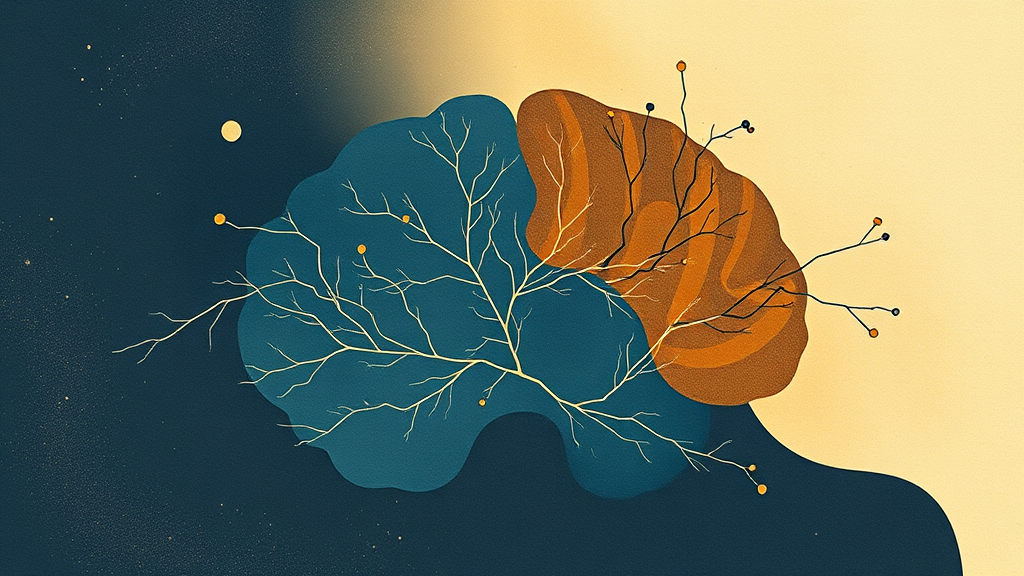
Two Distinct Autism Subtypes Identified
A study in Nature Neuroscience involving 1,200 participants (ages 5-21) has uncovered two biologically distinct subtypes of autism spectrum disorder (ASD) by analyzing brain connectivity patterns. The research, which combined human brain imaging with mouse model data, found that these subtypes are linked to different underlying biological mechanisms.
Subtype 1 is characterized by reduced connectivity in brain regions involved in synaptic function (called synaptic hypoconnectivity). This subtype is associated with genes related to synaptic activity. Subtype 2 shows heightened connectivity in regions linked to immune and inflammation pathways (called immune hyperconnectivity). These findings were reported by EurekAlert! and could help explain why autism manifests so differently across individuals.
Cross-Species Validation
The study's robustness comes from its cross-species approach. Researchers compared human fMRI data with mouse models exhibiting similar connectivity patterns, as highlighted by Neuroscience News. This method provides stronger evidence that these subtypes are biologically rooted rather than just behavioral classifications.
Implications for Diagnosis and Treatment
The discovery of these subtypes could lead to more personalized approaches. For example:
- Subtype 1 individuals might benefit from therapies targeting synaptic function (e.g., certain medications or behavioral interventions)
- Subtype 2 individuals might respond better to anti-inflammatory treatments
PsyPost notes this could be a step toward precision medicine for autism, though more research is needed.
A Step Forward, But Questions Remain
While promising, researchers caution that autism's complexity may not be fully captured by two subtypes. The study's sample, while substantial, lacked diversity in some areas (e.g., only 15% non-white participants). As noted in a CAMRI perspective, larger studies with more diverse populations are needed to confirm these results.
Sources
- 01Autism subtypes identified using cross-species functional connectivity analyses
- 02Brain scans reveal two distinct subtypes of autism with different underlying biology
- 03Two Distinct Autism Subtypes Identified Via Brain Connectivity
- 04Scientists identify two distinct biological subtypes of autism using brain scans
- 05CAMRI Contributes Perspective on Autism Neuroimaging in Nature ...
Behind the brief
Adversarial editorial review
Open thread