Brain & NeuroscienceResearch
Brain Scans Identify Potential Autism Subtypes With Distinct Biological Profiles
A landmark study using cross-species neuroimaging reveals autism-associated neural patterns with unique biological pathways, potentially informing more personalized support approaches.
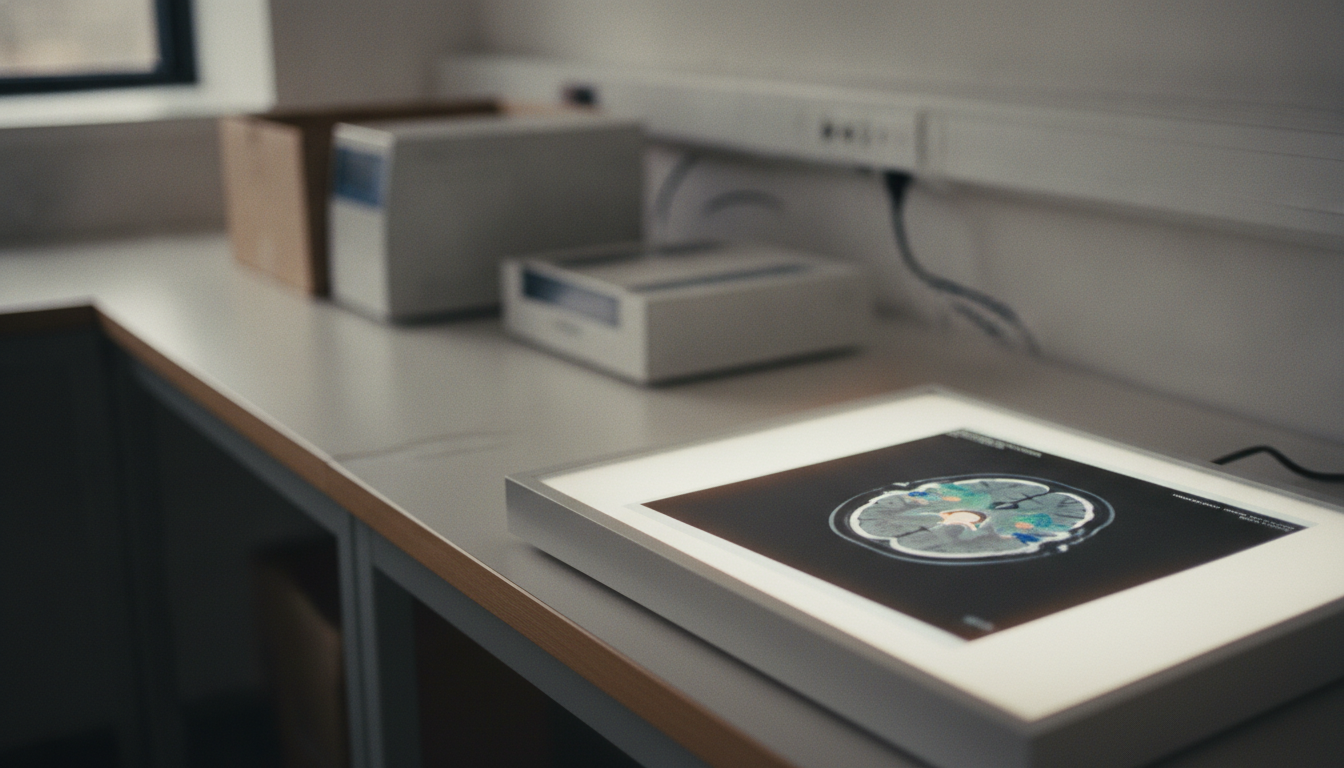
Potential Neural Profiles in Autism
A study published in Nature Neuroscience has identified two potential neural profiles in autism based on brain connectivity patterns. Using functional MRI scans from 1,200 autistic individuals and cross-species validation with mouse models, researchers observed:
1. A reduced connectivity profile showing less connectivity in brain regions involved in sensory processing and social cognition, potentially linked to synaptic development differences 2. An increased connectivity profile with more connectivity in frontal-limbic pathways, potentially associated with immune system activity
Using functional MRI scans from 1,200 autistic individuals and cross-species validation with mouse models, researchers observed: 1.
As Neuroscience News reported, these patterns were observed across different ages and coexisted with varying communication styles and sensory processing differences.
Exploring Biological Pathways
The team examined potential biological underpinnings through postmortem brain tissue analysis and mouse models. They found:
- The reduced connectivity group showed gene expression patterns tied to synaptic development (e.g., NRXN1, SHANK3 pathways)
- The increased connectivity group had elevated markers of immune system activity (e.g., complement system proteins)
PsyPost notes this is among the first studies to link different neural connectivity patterns in autism to specific biological pathways.
Potential Support Implications
While not yet ready for clinical application, these findings could eventually help:
- Guide personalized accommodations (e.g., sensory-friendly environments for those with reduced connectivity patterns)
- Improve research studies by grouping participants with similar biological profiles
- Explain why certain supports work well for some autistic individuals but not others
The Child Mind Institute emphasizes that these profiles complement rather than replace current understanding of autism's diversity.
Sources
- 01Autism subtypes identified using cross-species functional connectivity analyses
- 02Brain scans reveal two distinct subtypes of autism with different underlying biology
- 03Two Distinct Autism Subtypes Identified Via Brain Connectivity
- 04Scientists identify two distinct biological subtypes of autism using brain scans
- 05New Study Identifies Different Biological Subtypes of Autism
Behind the brief
Adversarial editorial review
Open thread