Brain & NeuroscienceResearch
Brain Imaging Study Suggests Two Neurobiological Variations in Autism
New research identifies potential neurobiological variations in autism, with distinct brain connectivity patterns linked to different molecular pathways, offering insights into its diversity.
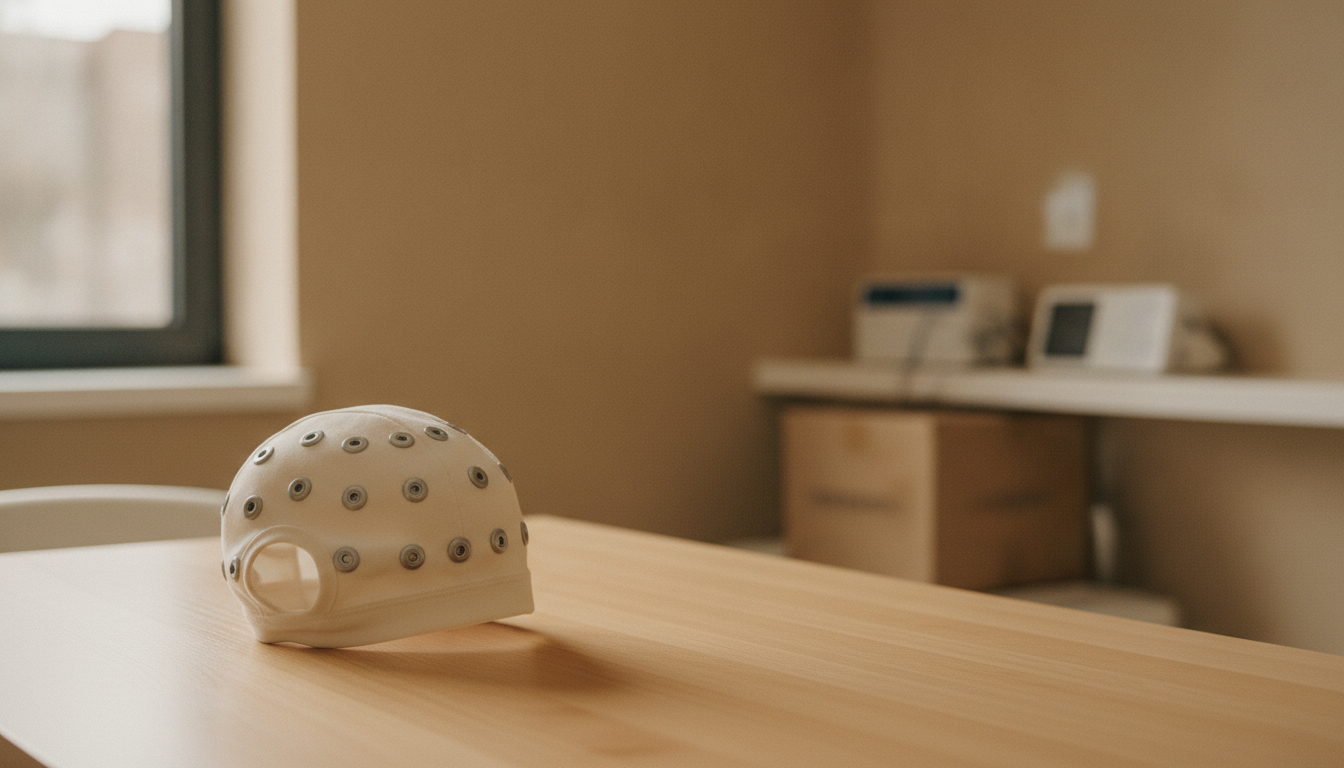
A study published in Nature Neuroscience by an international team suggests autism may involve at least two neurobiological variations, identifiable through distinct brain connectivity patterns. The research, involving 350 participants aged 5-21, found these variations correlate with different molecular pathways, as reported by Science Daily.
Key Insights
The study used advanced brain imaging to analyze connectivity in autistic individuals, revealing consistent differences in neural responses to social stimuli. As Medical Xpress noted, these variations suggest autism's neurobiological diversity is more complex than previously mapped.
The research, involving 350 participants aged 5-21, found these variations correlate with different molecular pathways, as reported by Science Daily.
EurekAlert! highlighted that the findings could eventually inform more tailored support approaches, though the authors caution against immediate clinical application. The study's lead researcher emphasized the need for independent replication, given the field's history of non-replicable subtypes.
Context and Considerations
While the study advances understanding, PsyPost noted its limitations: the sample, though diverse in age, lacked socioeconomic and global diversity. The 'subtypes' emerged from statistical clustering and may not reflect natural categories.
The Transmitter added that such imaging studies often overinterpret connectivity patterns. Autistic advocates have raised concerns about reducing lived experiences to binary biological categories without community input.
Practical Implications
For now, Child Mind Institute advises families to continue evidence-based supports tailored to individual needs, not brain scans. The study's real value may lie in validating autism's neurobiological diversity, not creating new diagnostic labels.
Sources
- 01Brain scans reveal two distinct types of autism
- 02Brain scans reveal two distinct autism subtypes with different underlying biology
- 03Brain scans reveal two distinct subtypes of autism with different underlying biology
- 04Scientists identify two distinct biological subtypes of autism using brain scans
- 05Autism may have two distinct subtypes based on brain connectivity patterns
- 06New Study Identifies Different Biological Subtypes of Autism
Behind the brief
Adversarial editorial review
Open thread