Brain & NeuroscienceResearch
Brain imaging study suggests at least two biological profiles in autism
Research identifies neural connectivity patterns that may help explain autism's diversity, with implications for personalized support approaches
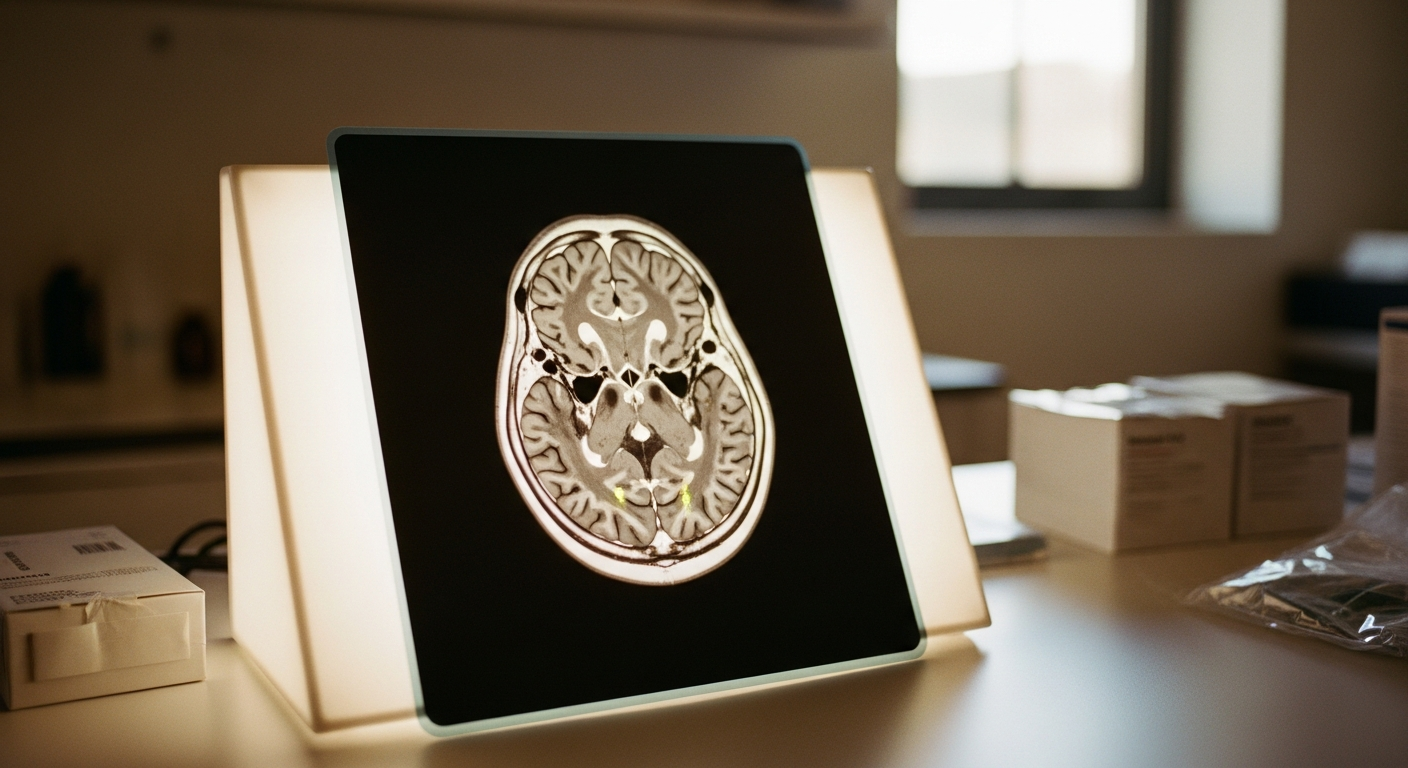
Neural patterns in autism
Research combining human brain imaging and mouse models suggests autism may involve at least two biological profiles related to how brain regions communicate. One pattern shows relatively fewer connections (hypoconnectivity) in areas handling social information and sensory processing, while another shows more connections (hyperconnectivity) in regions with immune-related cells like microglia, as described in Neuroscience News. These differences weren't apparent through behavioral observation alone.
Cross-species insights
The team analyzed brain scans from 96 autistic individuals alongside corresponding mouse models, finding similar patterns across species. As UNC researchers noted, this approach provides converging evidence while acknowledging animal models can't replicate human social experience. The synaptic-related pattern involved reduced connectivity in social cognition networks, while the immune-related pattern showed increased connectivity in microglia-rich areas - though the study didn't prove these connections directly cause immune activity.
Cross-species insights The team analyzed brain scans from 96 autistic individuals alongside corresponding mouse models, finding similar patterns across species.
Practical implications
These findings, which showed no correlation with autism severity scores, could eventually help match support strategies to individual needs. For example:
- Those with synaptic patterns might benefit from sensory accommodations or social communication supports
- Those with immune-related patterns might explore inflammation-monitoring approaches, though clinical applications remain speculative
The study explicitly avoids framing these as rigid categories, noting they likely exist on continua within autism's diverse spectrum.
Sources
Behind the brief
Adversarial editorial review
Open thread