Brain & NeuroscienceResearch
Brain Imaging Study Reveals Patterns in Neural Connectivity Among Autistic Individuals
Research identifies differing neural connectivity profiles that may inform more tailored support approaches, while emphasizing the continuous nature of brain variation.
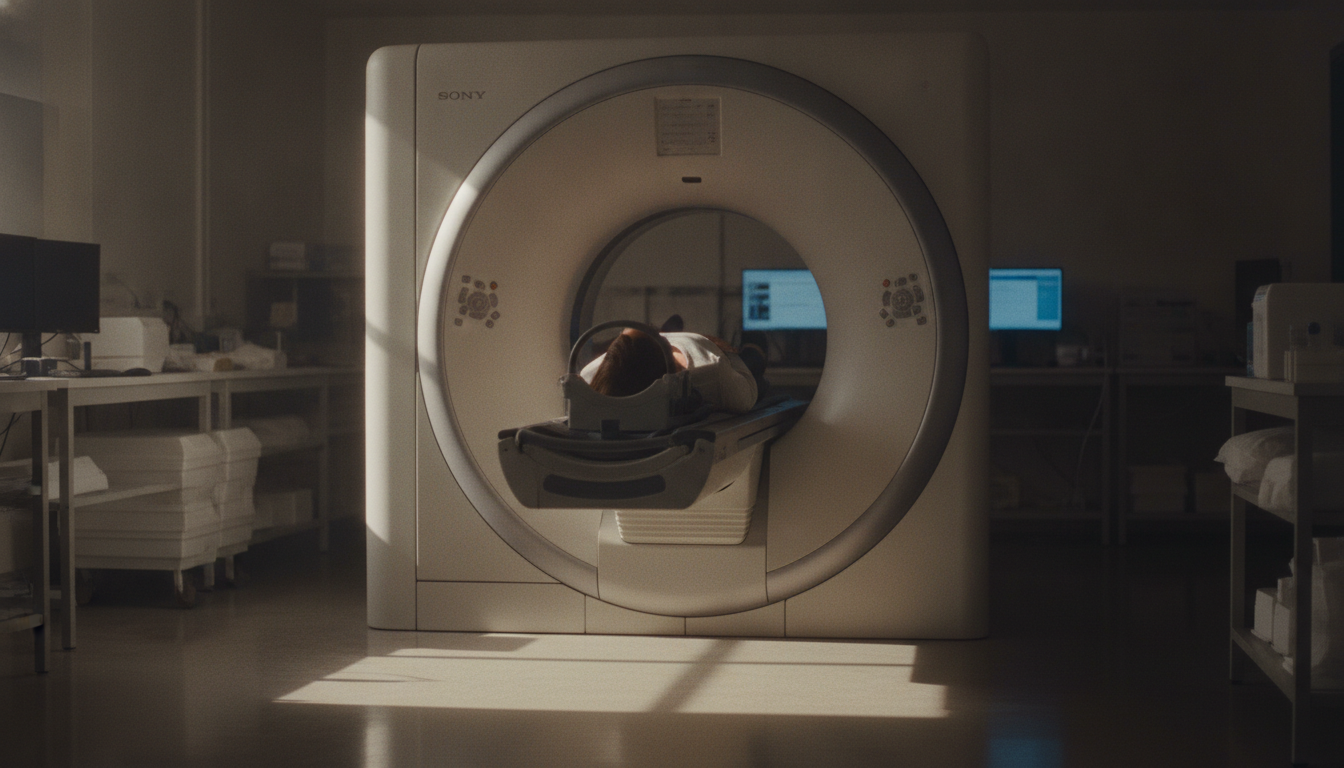
Patterns of Neural Connectivity in Autism
A new study published in Nature Neuroscience has identified differing patterns of brain connectivity among autistic individuals. Using functional MRI scans and cross-species analyses, researchers observed one group with relatively fewer neural connections (hypoconnectivity) and another with relatively more connections (hyperconnectivity), the latter potentially linked to immune system differences. These patterns were consistent across human participants and mouse models, though the study authors caution against viewing them as rigid categories.
The findings, published in May 2026, contribute to our understanding of biological diversity within autism. As Neuroscience News reported, the connectivity patterns involved networks related to sensory processing and social cognition, but with considerable individual variation.
The findings, published in May 2026, contribute to our understanding of biological diversity within autism.
Toward More Tailored Understanding
While autism has long been recognized as a spectrum, this study provides evidence of biological variation that may inform support approaches. The researchers told PsyPost that recognizing these differences could eventually help match individuals to supports that align with their neurocognitive profiles - developed in partnership with autistic communities.
The Child Mind Institute noted this work builds on evidence that autism encompasses multiple biological profiles. However, the study authors emphasize these are preliminary findings requiring replication, and that brain connectivity exists on a continuum rather than forming discrete categories.
Methodological Considerations
The research used functional MRI, which measures correlated brain activity rather than direct connections. As discussed in Frontiers in Human Neuroscience, such studies must carefully account for head movement and other variables that can affect results. The immune-related findings in particular require further study to understand the complex relationship between immune function and brain activity.
Sources
Behind the brief
Adversarial editorial review
Open thread