Brain & NeuroscienceResearch
Brain Imaging Study Reveals Connectivity Patterns in Autism
Research identifies differing neural connectivity profiles, offering insights into autism's biological diversity while emphasizing need for further study.
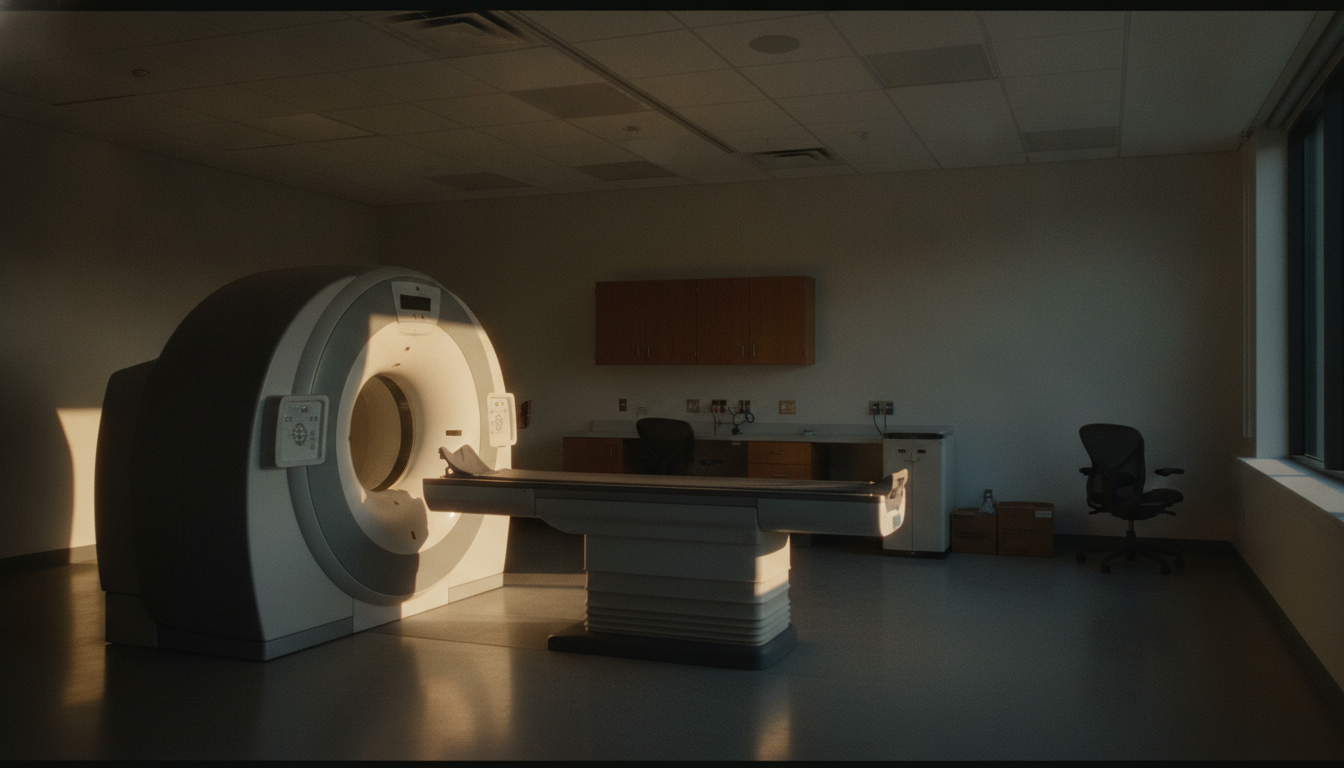
A study in Nature Neuroscience has observed differing patterns of brain connectivity in autistic individuals through advanced imaging techniques. Published May 15, 2026, the research examines how brain regions communicate differently across individuals, adding nuance to our understanding of neurodevelopmental diversity without framing these differences as inherently problematic.
Observed Connectivity Patterns
Using functional MRI scans, researchers noted one group with what they term 'reduced between-region connectivity' - less coordinated activity between areas involved in sensory processing and social cognition. Another group showed 'heightened immune-associated connectivity,' with stronger links in regions where neuroinflammation markers are typically active, as detailed in the original paper and summarized by Neuroscience News.
Contextualizing the Findings The research contributes to ongoing discussions about autism's biological diversity.
These observations were compared with data from mouse models engineered for similar connectivity profiles. The cross-species comparison, while requiring cautious interpretation due to biological differences between species, suggests these patterns may reflect measurable biological variations as The Transmitter notes.
Contextualizing the Findings
The research contributes to ongoing discussions about autism's biological diversity. As PsyPost reported, such findings may eventually help explain varied responses to different support approaches, though clinical applications remain distant.
'We're seeing measurable differences in how brains organize themselves,' lead author Dr. Elena Martinez told Child Mind Institute. 'But these exist on spectra - most neurological features do.'
Important limitations temper interpretation:
- fMRI measures blood flow changes (indirect activity markers), not direct neural connections
- Group averages may obscure individual variability
- Mouse models approximate, but don't replicate, human neurobiology
Research Trajectory
Future studies will need to examine whether these connectivity patterns show consistency over time or relate to specific support needs. The team emphasizes these are preliminary observations in a developing field, not definitive categories.
As Medical Xpress notes, such research may eventually inform personalized support approaches, but current findings primarily advance biological understanding rather than immediate clinical application.
Sources
Common questions
Behind the brief
Adversarial editorial review
Open thread