Brain & NeuroscienceResearch
Brain Imaging Study Identifies Two Neurobiological Patterns in Autism
Research reveals distinct brain connectivity subtypes with differing molecular pathways, though clinical applications remain exploratory.
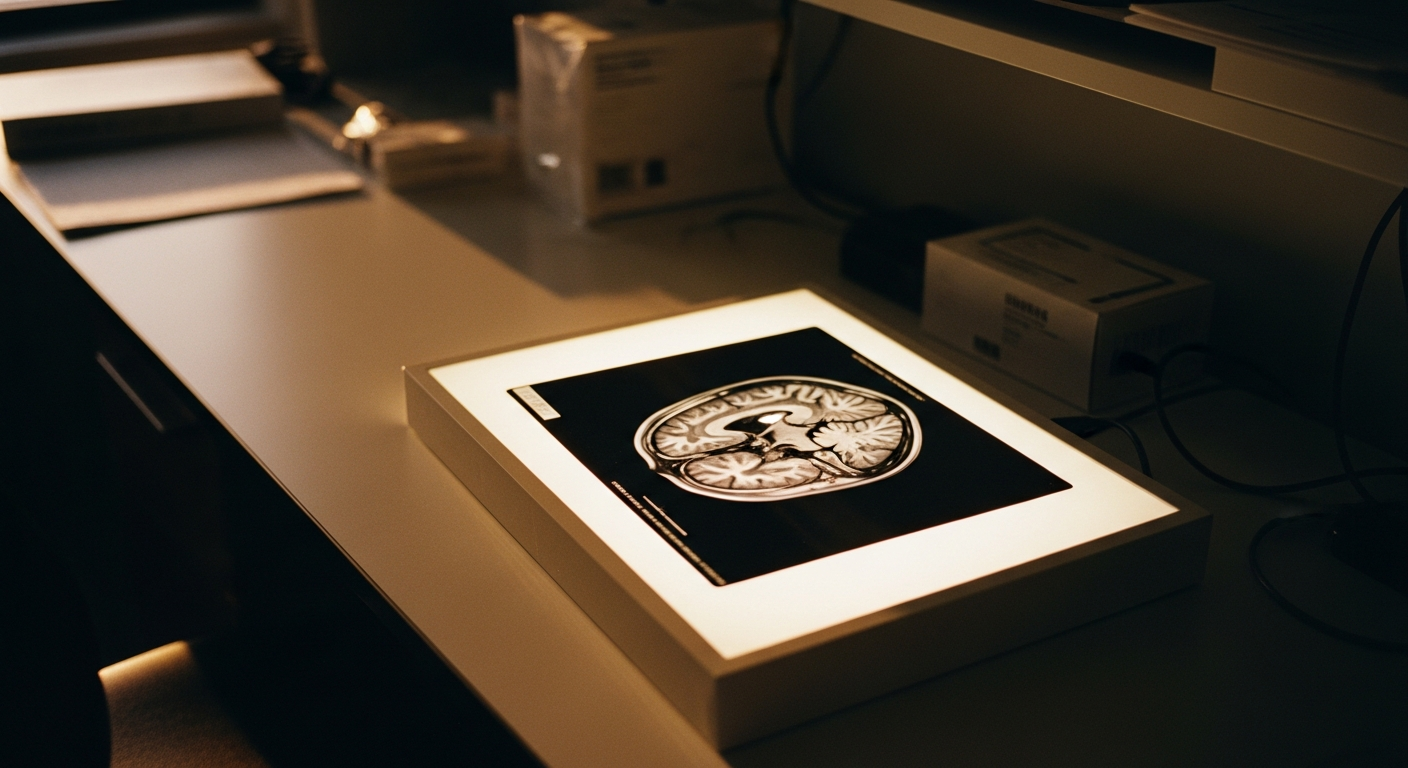
Two Neurobiological Patterns in Autism
A study in Nature Neuroscience identified two brain connectivity patterns in autistic individuals: one with reduced synaptic connectivity (weaker communication between neurons) and another with immune-related overconnectivity (excessive connectivity tied to immune activity). These patterns were validated in mouse models, revealing corresponding differences in synaptic and immune pathways, as reported by EurekAlert!.
Molecular Insights
The synaptic pattern correlated with disruptions in neuron communication genes, while the immune pattern involved heightened immune gene activity. This aligns with prior evidence of autism's varied biological roots but offers the first clear imaging-based subtypes, as Neuroscience News noted.
A UNC School of Medicine perspective added that these subtypes likely represent only part of autism's diversity.
Research Implications
While these findings could eventually inform tailored supports—like synaptic-focused interventions for one group and immune-modulating approaches for the other—the team stresses that clinical use is not imminent. As PsyPost highlighted, the human sample was limited, and broader studies are needed. A UNC School of Medicine perspective added that these subtypes likely represent only part of autism's diversity.
Sources
- 01Autism subtypes identified using cross-species functional connectivity analyses
- 02Brain scans reveal two distinct subtypes of autism with different underlying biology
- 03Two Distinct Autism Subtypes Identified Via Brain Connectivity
- 04Scientists identify two distinct biological subtypes of autism using brain scans
- 05CAMRI Contributes Perspective on Autism Neuroimaging in Nature ...
Behind the brief
Adversarial editorial review
Open thread