Brain & NeuroscienceResearch
Brain Imaging Study Identifies Two Neural Patterns in Autism
New neuroimaging research describes distinct brain connectivity differences among autistic participants, with potential implications for understanding developmental pathways.
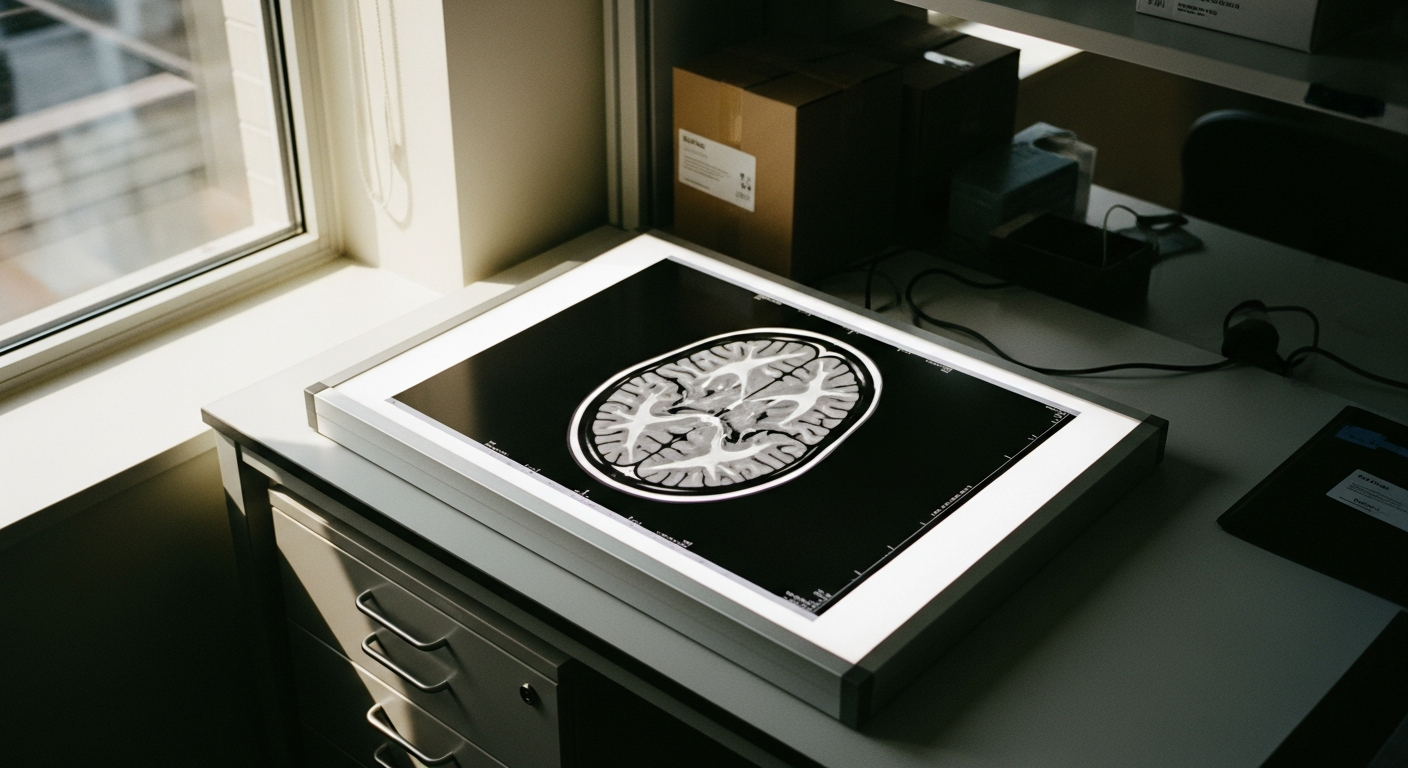
Neural Connectivity Patterns in Autism Research
A study in Nature Neuroscience involving 940 autistic participants (with informed consent procedures noted in the supplementary materials) identified two neural connectivity patterns using functional MRI:
- Pattern 1: Differences in synaptic connectivity between regions involved in sensory processing and social cognition, building on prior work about neural wiring variations (Frontiers in Neuroscience, 2025)
- Pattern 2: Increased activity in immune-related signaling pathways that interact with neural development, aligning with emerging but still debated research (The Transmitter, 2026)
Cross-species comparisons with mouse models were attempted, though the authors acknowledge limitations in modeling human neurodevelopmental variation (EurekAlert!, 2026).
As Neuroscience News reported, these patterns aren't yet linked to specific support needs or lived experiences.
Interpreting the Findings
The study adds to evidence that autism involves multiple biological pathways. As Neuroscience News reported, these patterns aren't yet linked to specific support needs or lived experiences.
Key considerations:
- Both patterns showed substantial individual variation, contradicting a simple binary
- The immune-related findings require replication given ongoing debates in the field (PMC review, 2023)
- Autistic researchers have cautioned against overinterpreting connectivity differences as deficits (Frontiers research topic, 2024)
Research Implications and Next Steps
The UNC School of Medicine team emphasizes this as preliminary work needing:
- Larger studies across gender, cognitive ability, and racial/ethnic groups
- Longitudinal data to assess pattern stability
- Direct collaboration with autistic communities to interpret findings
As PsyPost noted, such research may eventually inform support approaches, but current clinical applications remain speculative.
Sources
- 01Autism subtypes identified using cross-species functional connectivity analyses
- 02Scientists identify two distinct biological subtypes of autism using brain scans
- 03Brain scans reveal two distinct subtypes of autism with different underlying biology
- 04CAMRI Contributes Perspective on Autism Neuroimaging in Nature ...
Behind the brief
Adversarial editorial review
Open thread