Barriers to Accessible Education Persist for Autistic Students Despite Growing Recognition
Research and lived experiences reveal systemic failures in creating learning environments that meet autistic students' rights to access and safety.
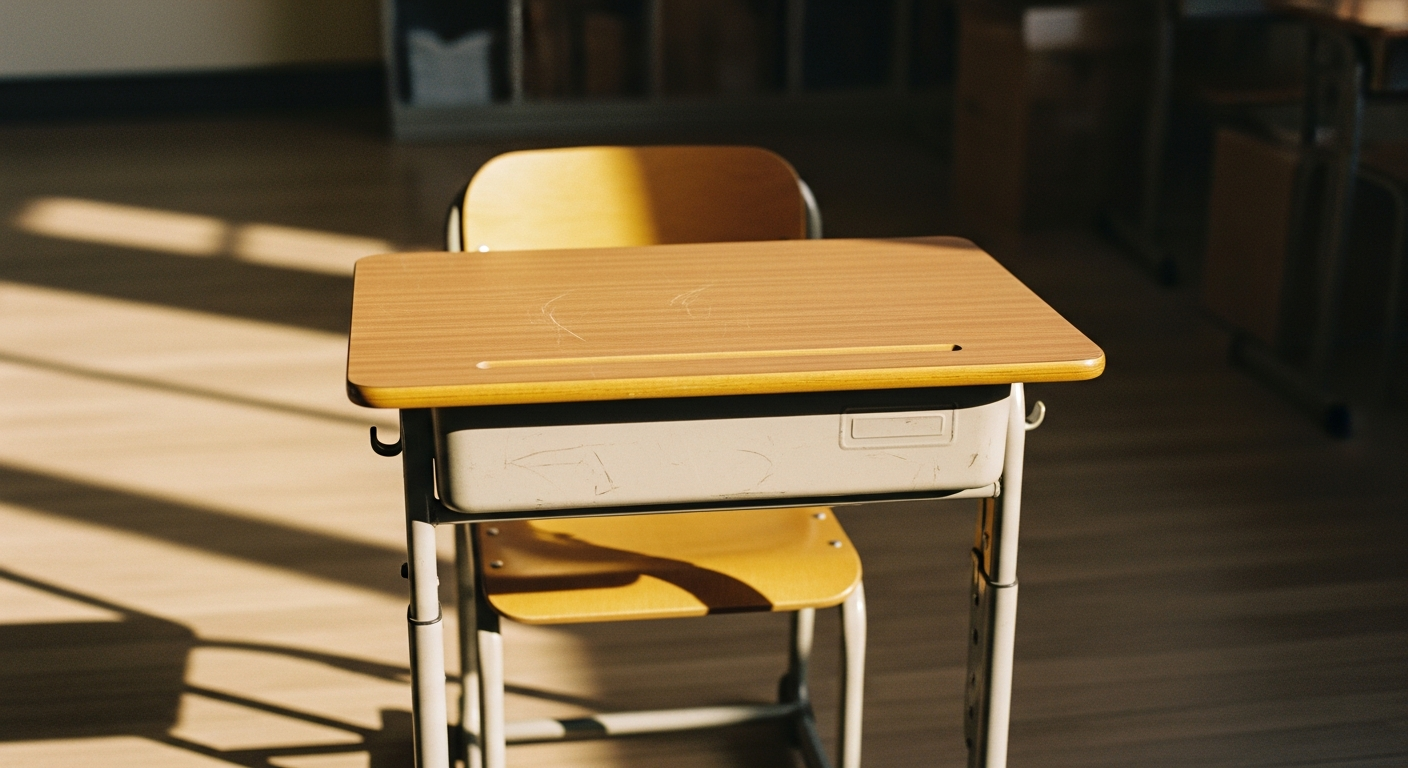
School Refusal Reflects Inaccessible Environments
A peer-reviewed 2026 study in Frontiers in Education (n=1,200 across 15 schools) found that school refusal among autistic children primarily stems from sensory overload, inflexible teaching methods, and social exclusion—not disengagement. The researchers emphasize these patterns reflect environments designed without neurodivergent access in mind.
Segregated Classrooms Expand Amid Inclusion Debates
Some districts, like Scranton, are adding autism-specific classrooms—18+ new rooms in one case—as WVIA Public Media reported in April 2026. While meeting immediate demand, this contradicts the UN Convention on the Rights of Persons with Disabilities mandate for inclusive education.
Similar concerns emerged in Sweden, where a March 2026 parliamentary audit found 78% of autistic students reported unsafe conditions due to staff training gaps.
Autistic Educators Face Workplace Barriers
Autistic teachers provide critical expertise in creating accessible classrooms, The Conversation noted in April 2026, yet often lack accommodations like sensory-friendly workspaces or flexible communication methods.
Safety Failures Demonstrate Systemic Neglect
A Nova Scotia mother demanded accountability after school staff failed to supervise her autistic son, who wandered from unsupervised grounds in April 2026. Similar concerns emerged in Sweden, where a March 2026 parliamentary audit found 78% of autistic students reported unsafe conditions due to staff training gaps.
Sources
- 01The missing piece in inclusion: addressing school avoidance among children with autism
- 02KEYSTONE EDITION: As autism rates soar, schools, communities respond with new programs
- 03Learning from autistic teachers could change schools for the better
- 04N.S. mother calls for more inclusion support after autistic son went missing from school
- 05Shortcomings in school support for students with autism and ADHD highlighted in the Swedish Parliament
Behind the brief
Adversarial editorial review
Open thread